

| News | |||||||||||||||||||||||||||||||||||||||||||||||||||||||||||||||||||||||||||||||||||||||||||||||||||||||||||||||||||||||||||||||||||||||||||||||||||||||||||||||
 The court ruled that a federal judge was incorrect to block an administration policyallowing the government to quickly deport unauthorized immigrants without going through immigration courts. The court ruled that a federal judge was incorrect to block an administration policyallowing the government to quickly deport unauthorized immigrants without going through immigration courts. | |
Submitted at 10-29-2020, 05:04 PM by Xiphias | |
0 Comments | |
 A so-called 'spritural science foundation' has found that 85 per cent of LGBT+ are, in fact, possesed by 'murderous, often nude ghosts'. A so-called 'spritural science foundation' has found that 85 per cent of LGBT+ are, in fact, possesed by 'murderous, often nude ghosts'. | |
Submitted at 10-29-2020, 03:00 PM by Xiphias | |
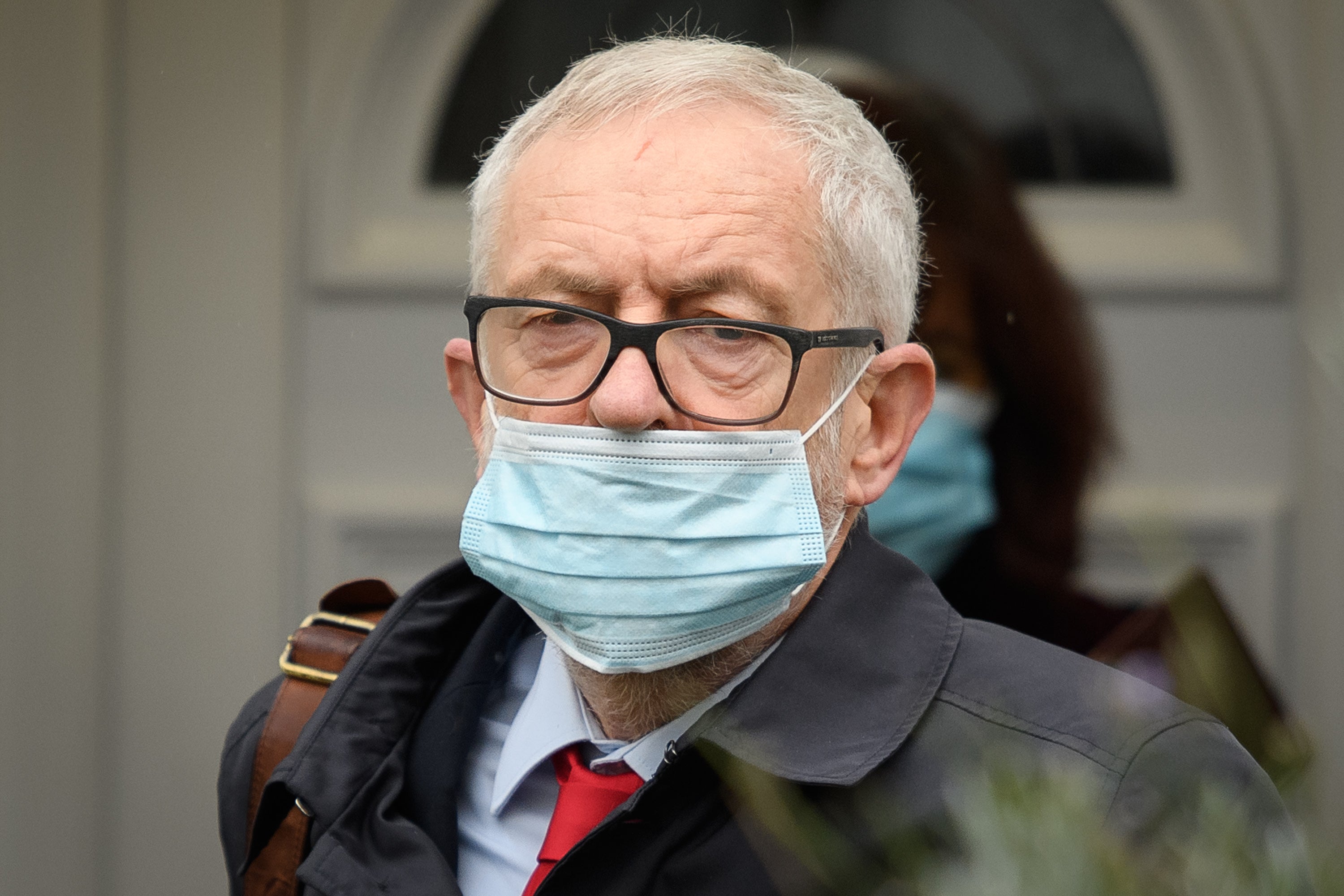 Former leader stripped of Labour whip after refusing to accept findings of antisemitism report. Former leader stripped of Labour whip after refusing to accept findings of antisemitism report. | |
Submitted at 10-29-2020, 02:53 PM by Xiphias | |
 In early September, the City Council in Portland, Ore., met virtually to consider sweeping legislation outlawing the use of facial recognition technology. The bills would not only bar the police from using it to unmask protesters and individuals captured in surveillance imagery; they would also prevent companies and a variety of other organizations from using the software to identify an unknown person.
During the time for public comments, a local man, Christopher Howell, said he had concerns about a blanket ban. He gave a surprising reason.
“I am involved with developing facial recognition to in fact use on Portland police officers, since they are not identifying themselves to the public,” Mr. Howell said. Over the summer, with the city seized by demonstrations against police violence, leaders of the department had told uniformed officers that they could tape over their name. Mr. Howell wanted to know: Would his use of facial recognition technology become illegal?
Portland’s mayor, Ted Wheeler, told Mr. Howell that his project was “a little creepy,” but a lawyer for the city clarified that the bills would not apply to individuals. The Council then passed the legislation in a unanimous vote.
Mr. Howell was offended by Mr. Wheeler’s characterization of his project but relieved he could keep working on it. “There’s a lot of excessive force here in Portland,” he said in a phone interview. “Knowing who the officers are seems like a baseline.”
Mr. Howell, 42, is a lifelong protester and self-taught coder; in graduate school, he started working with neural net technology, an artificial intelligence that learns to make decisions from data it is fed, such as images. He said that the police had tear-gassed him during a midday protest in June, and that he had begun researching how to build a facial recognition product that could defeat officers’ attempts to shield their identity.
“This was, you know, kind of a ‘shower thought’ moment for me, and just kind of an intersection of what I know how to do and what my current interests are,” he said. “Accountability is important. We need to know who is doing what, so we can deal with it.”
Mr. Howell is not alone in his pursuit. Law enforcement has used facial recognition to identify criminals, using photos from government databases or, through a company called Clearview AI, from the public internet. But now activists around the world are turning the process around and developing tools that can unmask law enforcement in cases of misconduct.
“It doesn’t surprise me in the least,” said Clare Garvie, a lawyer at Georgetown University’s Center on Privacy and Technology. “I think some folks will say, ‘All’s fair in love and war,’ but it highlights the risk of developing this technology without thinking about its use in the hands of all possible actors.”
The authorities targeted so far have not been pleased. The New York Times reported in July 2019 that Colin Cheung, a protester in Hong Kong, had developed a tool to identify police officers using online photos of them. After he posted a video about the project on Facebook, he was arrested. Mr. Cheung ultimately abandoned the work.
This month, the artist Paolo Cirio published photos of 4,000 faces of French police officers online for an exhibit called “Capture,” which he described as the first step in developing a facial recognition app. He collected the faces from 1,000 photos he had gathered from the internet and from photographers who attended protests in France. Mr. Cirio, 41, took the photos down after France’s interior minister threatened legal action but said he hoped to republish them.
“It’s about the privacy of everyone,” said Mr. Cirio, who believes facial recognition should be banned. “It’s childish to try to stop me, as an artist who is trying to raise the problem, instead of addressing the problem itself.”
Many police officers around the world cover their faces, in whole or in part, as captured in recent videos of police violence in Belarus. Last month, Andrew Maximov, a technologist from the country who is now based in Los Angeles, uploaded a video to YouTube that demonstrated how facial recognition technology could be used to digitally strip away the masks.
In the simulated footage, software matches masked officers to full images of officers taken from social media channels. The two images are then merged so the officers are shown in uniform, with their faces on display. It’s unclear if the matches are accurate. The video, which was reported earlier by a news site about Russia called Meduza, has been viewed more than one million times.
“For a while now, everyone was aware the big guys could use this to identify and oppress the little guys, but we’re now approaching the technological threshold where the little guys can do it to the big guys,” Mr. Maximov, 30, said. “It’s not just the loss of anonymity. It’s the threat of infamy.”
These activists say it has become relatively easy to build facial recognition tools thanks to off-the-shelf image recognition software that has been made available in recent years. In Portland, Mr. Howell used a Google-provided platform, TensorFlow, which helps people build machine-learning models.
“The technical process — I’m not inventing anything new,” he said. “The big problem here is getting quality images.”
Mr. Howell gathered thousands of images of Portland police officers from news articles and social media after finding their names on city websites. He also made a public records request for a roster of police officers, with their names and personnel numbers, but it was denied.
Facebook has been a particularly helpful source of images. “Here they all are at a barbecue or whatever, in uniform sometimes,” Mr. Howell said. “It’s few enough people that I can reasonably do it as an individual.”
Mr. Howell said his tool remained a work in progress and could recognize only about 20 percent of Portland’s police force. He hasn’t made it publicly available, but he said it had already helped a friend confirm an officer’s identity. He declined to provide more details.
Derek Carmon, a public information officer at the Portland Police Bureau, said that “name tags were changed to personnel numbers during protests to help eliminate the doxxing of officers,” but that officers are required to wear name tags for “non-protest-related duties.” Mr. Carmon said people could file complaints using an officer’s personnel number. He declined to comment on Mr. Howell’s software.
Older attempts to identify police officers have relied on crowdsourcing. The news service ProPublica asks readers to identify officers in a series of videos of police violence. In 2016, an anti-surveillance group in Chicago, the Lucy Parsons Lab, started OpenOversight, a “public searchable database of law enforcement officers.” It asks people to upload photos of uniformed officers and match them to the officers’ names or badge numbers.
“We were careful about what information we were soliciting. We don’t want to encourage people to follow officers to playgrounds with their kids,” said Jennifer Helsby, OpenOversight’s lead developer. “It has resulted in officers being identified.”
For example, the database helped journalists at the Invisible Institute, a local news organization, identify Chicago officers who struck protesters with batons this summer, according to the institute’s director of public strategy, Maira Khwaja.
Photos of more than 1,000 officers have been uploaded to the site, Ms. Helsby said, adding that versions of the open-source database have been started in other cities, including Portland. That version is called Cops.Photo, and is one of the places from which Mr. Howell obtained identified photos of police officers.
Mr. Howell originally wanted to make his work publicly available, but is now concerned that distributing his tool to others would be illegal under the city’s new facial recognition laws, he said.
“I have sought some legal advice and will seek more,” Mr. Howell said. He described it as “unwise” to release an illegal facial recognition app because the police “are not going to appreciate it to begin with.”
“I’d be naïve not to be a little concerned about it,” he added. “But I think it’s worth doing.” In early September, the City Council in Portland, Ore., met virtually to consider sweeping legislation outlawing the use of facial recognition technology. The bills would not only bar the police from using it to unmask protesters and individuals captured in surveillance imagery; they would also prevent companies and a variety of other organizations from using the software to identify an unknown person.
During the time for public comments, a local man, Christopher Howell, said he had concerns about a blanket ban. He gave a surprising reason.
“I am involved with developing facial recognition to in fact use on Portland police officers, since they are not identifying themselves to the public,” Mr. Howell said. Over the summer, with the city seized by demonstrations against police violence, leaders of the department had told uniformed officers that they could tape over their name. Mr. Howell wanted to know: Would his use of facial recognition technology become illegal?
Portland’s mayor, Ted Wheeler, told Mr. Howell that his project was “a little creepy,” but a lawyer for the city clarified that the bills would not apply to individuals. The Council then passed the legislation in a unanimous vote.
Mr. Howell was offended by Mr. Wheeler’s characterization of his project but relieved he could keep working on it. “There’s a lot of excessive force here in Portland,” he said in a phone interview. “Knowing who the officers are seems like a baseline.”
Mr. Howell, 42, is a lifelong protester and self-taught coder; in graduate school, he started working with neural net technology, an artificial intelligence that learns to make decisions from data it is fed, such as images. He said that the police had tear-gassed him during a midday protest in June, and that he had begun researching how to build a facial recognition product that could defeat officers’ attempts to shield their identity.
“This was, you know, kind of a ‘shower thought’ moment for me, and just kind of an intersection of what I know how to do and what my current interests are,” he said. “Accountability is important. We need to know who is doing what, so we can deal with it.”
Mr. Howell is not alone in his pursuit. Law enforcement has used facial recognition to identify criminals, using photos from government databases or, through a company called Clearview AI, from the public internet. But now activists around the world are turning the process around and developing tools that can unmask law enforcement in cases of misconduct.
“It doesn’t surprise me in the least,” said Clare Garvie, a lawyer at Georgetown University’s Center on Privacy and Technology. “I think some folks will say, ‘All’s fair in love and war,’ but it highlights the risk of developing this technology without thinking about its use in the hands of all possible actors.”
The authorities targeted so far have not been pleased. The New York Times reported in July 2019 that Colin Cheung, a protester in Hong Kong, had developed a tool to identify police officers using online photos of them. After he posted a video about the project on Facebook, he was arrested. Mr. Cheung ultimately abandoned the work.
This month, the artist Paolo Cirio published photos of 4,000 faces of French police officers online for an exhibit called “Capture,” which he described as the first step in developing a facial recognition app. He collected the faces from 1,000 photos he had gathered from the internet and from photographers who attended protests in France. Mr. Cirio, 41, took the photos down after France’s interior minister threatened legal action but said he hoped to republish them.
“It’s about the privacy of everyone,” said Mr. Cirio, who believes facial recognition should be banned. “It’s childish to try to stop me, as an artist who is trying to raise the problem, instead of addressing the problem itself.”
Many police officers around the world cover their faces, in whole or in part, as captured in recent videos of police violence in Belarus. Last month, Andrew Maximov, a technologist from the country who is now based in Los Angeles, uploaded a video to YouTube that demonstrated how facial recognition technology could be used to digitally strip away the masks.
In the simulated footage, software matches masked officers to full images of officers taken from social media channels. The two images are then merged so the officers are shown in uniform, with their faces on display. It’s unclear if the matches are accurate. The video, which was reported earlier by a news site about Russia called Meduza, has been viewed more than one million times.
“For a while now, everyone was aware the big guys could use this to identify and oppress the little guys, but we’re now approaching the technological threshold where the little guys can do it to the big guys,” Mr. Maximov, 30, said. “It’s not just the loss of anonymity. It’s the threat of infamy.”
These activists say it has become relatively easy to build facial recognition tools thanks to off-the-shelf image recognition software that has been made available in recent years. In Portland, Mr. Howell used a Google-provided platform, TensorFlow, which helps people build machine-learning models.
“The technical process — I’m not inventing anything new,” he said. “The big problem here is getting quality images.”
Mr. Howell gathered thousands of images of Portland police officers from news articles and social media after finding their names on city websites. He also made a public records request for a roster of police officers, with their names and personnel numbers, but it was denied.
Facebook has been a particularly helpful source of images. “Here they all are at a barbecue or whatever, in uniform sometimes,” Mr. Howell said. “It’s few enough people that I can reasonably do it as an individual.”
Mr. Howell said his tool remained a work in progress and could recognize only about 20 percent of Portland’s police force. He hasn’t made it publicly available, but he said it had already helped a friend confirm an officer’s identity. He declined to provide more details.
Derek Carmon, a public information officer at the Portland Police Bureau, said that “name tags were changed to personnel numbers during protests to help eliminate the doxxing of officers,” but that officers are required to wear name tags for “non-protest-related duties.” Mr. Carmon said people could file complaints using an officer’s personnel number. He declined to comment on Mr. Howell’s software.
Older attempts to identify police officers have relied on crowdsourcing. The news service ProPublica asks readers to identify officers in a series of videos of police violence. In 2016, an anti-surveillance group in Chicago, the Lucy Parsons Lab, started OpenOversight, a “public searchable database of law enforcement officers.” It asks people to upload photos of uniformed officers and match them to the officers’ names or badge numbers.
“We were careful about what information we were soliciting. We don’t want to encourage people to follow officers to playgrounds with their kids,” said Jennifer Helsby, OpenOversight’s lead developer. “It has resulted in officers being identified.”
For example, the database helped journalists at the Invisible Institute, a local news organization, identify Chicago officers who struck protesters with batons this summer, according to the institute’s director of public strategy, Maira Khwaja.
Photos of more than 1,000 officers have been uploaded to the site, Ms. Helsby said, adding that versions of the open-source database have been started in other cities, including Portland. That version is called Cops.Photo, and is one of the places from which Mr. Howell obtained identified photos of police officers.
Mr. Howell originally wanted to make his work publicly available, but is now concerned that distributing his tool to others would be illegal under the city’s new facial recognition laws, he said.
“I have sought some legal advice and will seek more,” Mr. Howell said. He described it as “unwise” to release an illegal facial recognition app because the police “are not going to appreciate it to begin with.”
“I’d be naïve not to be a little concerned about it,” he added. “But I think it’s worth doing.” | |
Submitted at 10-29-2020, 10:24 AM by A Fistful Of Double Downs | |
 I wonder if anyone but me remembers that during the years after the end of World War II, there were a lot of US Army jeeps on the streets of New York. I was a very little boy at the time, and I remember being lifted up to sit in them by friendly GIs. And do you remember those photographs of the American soldiers as they were being hugged and kissed by the thin, desperate-looking Europeans whose cities they’d liberated? Do you remember those warm, sunny American faces? Those sincere, open faces? Those boys looked like gods or angels who had swooped down from the sky on their jeeps to save the terrified world. Everything they’d actually done during the war, everything they’d seen—the hand-to-hand combat, the firebombing of cities, the piles of corpses—it was all swept away in the glow of victory.
And for the next twenty years, we were dazzled by the never-abating, mind-boggling cascade of prosperity and consumer magic lifting up the middle class. Political speeches overflowed with generosity and altruism. Were people said to be suffering somewhere in America? Were people suffering anywhere on earth? Our politicians won votes by promising to help them. Americans seemed addicted to the feeling that their country represented goodness, decency, and kindness in a world where evil had almost prevailed.
Simultaneously, on the very same days that our generous politicians made those altruistic speeches, they huddled for hours with scientific geniuses, working out plans for nuclear war. They would often declare that they hoped they would never be forced to make the terrible decision to carry out those plans. Still, day after day, they carefully decided which missiles to build, they chose the targets and tried to estimate the number of people who’d be killed by each strike. And also at the same time—though this was less well known then—they made some plans that actually were carried out in foreign countries, governments to be overthrown, leaders to be assassinated, dissidents and rebels to be quietly disappeared. I wonder if anyone but me remembers that during the years after the end of World War II, there were a lot of US Army jeeps on the streets of New York. I was a very little boy at the time, and I remember being lifted up to sit in them by friendly GIs. And do you remember those photographs of the American soldiers as they were being hugged and kissed by the thin, desperate-looking Europeans whose cities they’d liberated? Do you remember those warm, sunny American faces? Those sincere, open faces? Those boys looked like gods or angels who had swooped down from the sky on their jeeps to save the terrified world. Everything they’d actually done during the war, everything they’d seen—the hand-to-hand combat, the firebombing of cities, the piles of corpses—it was all swept away in the glow of victory.
And for the next twenty years, we were dazzled by the never-abating, mind-boggling cascade of prosperity and consumer magic lifting up the middle class. Political speeches overflowed with generosity and altruism. Were people said to be suffering somewhere in America? Were people suffering anywhere on earth? Our politicians won votes by promising to help them. Americans seemed addicted to the feeling that their country represented goodness, decency, and kindness in a world where evil had almost prevailed.
Simultaneously, on the very same days that our generous politicians made those altruistic speeches, they huddled for hours with scientific geniuses, working out plans for nuclear war. They would often declare that they hoped they would never be forced to make the terrible decision to carry out those plans. Still, day after day, they carefully decided which missiles to build, they chose the targets and tried to estimate the number of people who’d be killed by each strike. And also at the same time—though this was less well known then—they made some plans that actually were carried out in foreign countries, governments to be overthrown, leaders to be assassinated, dissidents and rebels to be quietly disappeared. | |
Submitted at 10-29-2020, 06:33 AM by sleeppoor | |
 Huge if true bro. Huge if true bro. | |
Submitted at 10-29-2020, 06:05 AM by Mordant | |
 AhHAHAHAHAReaganNationalUniversityhahahahawhoo AhHAHAHAHAReaganNationalUniversityhahahahawhoo | |
Submitted at 10-29-2020, 05:25 AM by B. Weed | |
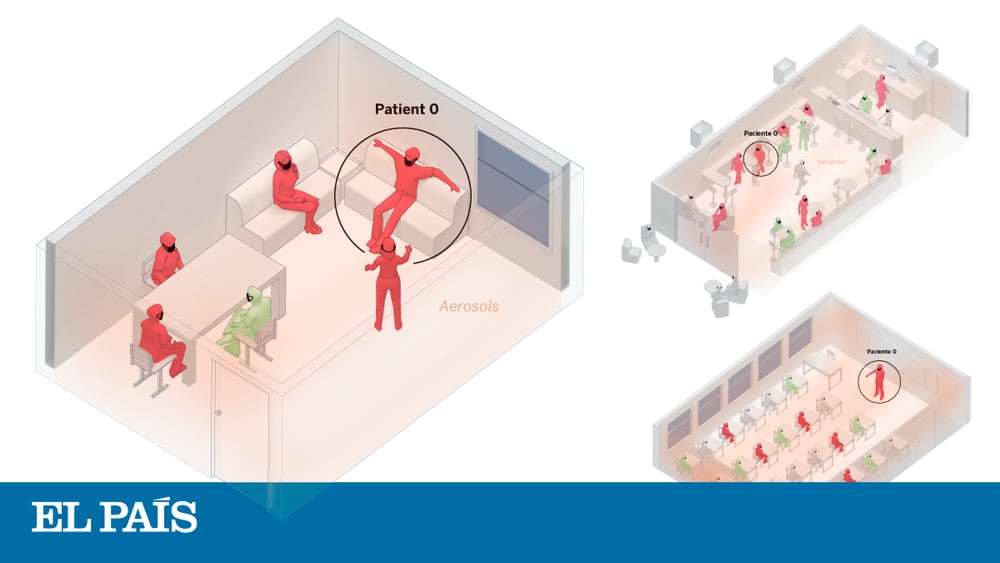 The risk of contagion is highest in indoor spaces but can be reduced by applying all available measures to combat infection via aerosols. Here is an overview of the likelihood of infection in three everyday scenarios, based on the safety measures used and the length of exposure The risk of contagion is highest in indoor spaces but can be reduced by applying all available measures to combat infection via aerosols. Here is an overview of the likelihood of infection in three everyday scenarios, based on the safety measures used and the length of exposure | |
Submitted at 10-29-2020, 04:48 AM by sleeppoor | |
 Sydney's cocaine consumption took a hit when the initial COVID-19 lockdown was imposed earlier this year, but use of the prohibited party drug quickly recovered.
The city has retained its reputation as the cocaine capital of Australia, consuming significantly more than other cities, the latest wastewater drug monitoring report from the Australian Criminal Intelligence Commission has shown.
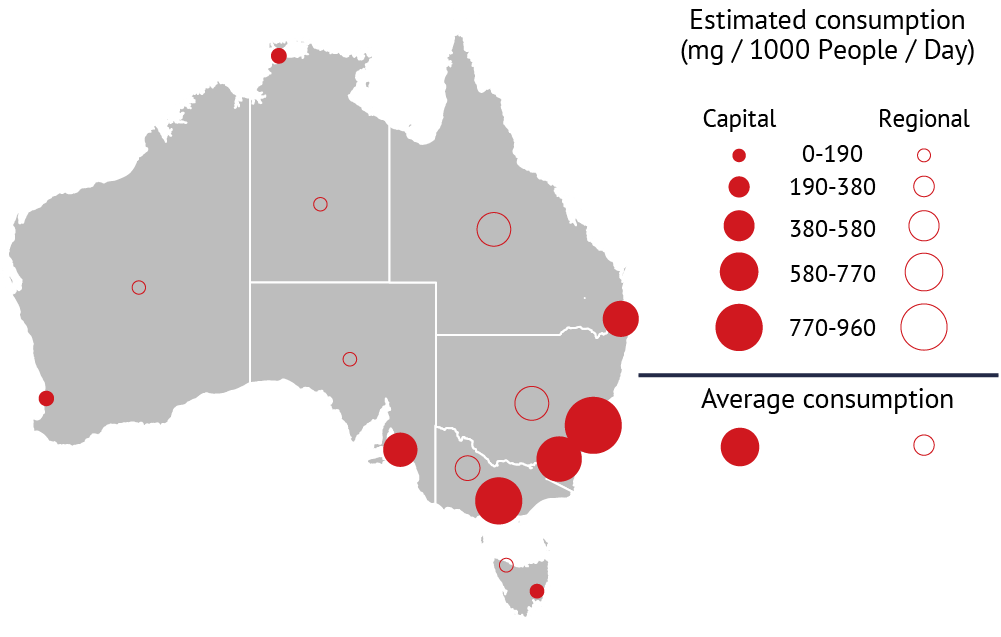
In April, as coronavirus restrictions took hold, cocaine use in Sydney was estimated to be about 950 milligrams for every 1000 people per day. This compared to around 600 milligrams in Melbourne and 500 milligrams in Brisbane.
The consumption levels in April were down from summer, when Sydney's use was estimated at just over 2 grams per 1000 people a day in December and just under 1.2 grams in February. By June, following the easing of coronavirus restrictions in NSW, consumption rebounded to about 1.35 grams.
The ACIC report said the long-term trend in cocaine use was up, but the pandemic caused a temporary reduction that was most notable in NSW.
"After the initial lock-down in April 2020, levels recovered and reached historical highs in some parts of the country," the report found, highlighting the consumption levels in the ACT, Victoria and Western Australia.
The ACIC found that increased drug prices during the coronavirus pandemic have not cut demand for some drugs, even as prices reportedly reached $450 for a gram of cocaine, $250 for a gram of ice and $170 for a gram of MDMA in its powdered form.
"There have been some price increases, particularly at the wholesale level, although a number of the increases have been within historical ranges," ACIC chief executive Michael Phelan said.
"Even in locations where considerable price increases have been reported, consumption of some drugs has increased."
While global coronavirus restrictions have slowed the movement of people and goods, the illicit drug market appears to have been resilient.
"Operational activity in which the ACIC has been involved with its partners indicates that many serious and organised crime groups in the major drug markets continued to operate on a 'business as usual' basis throughout the pandemic, importing, manufacturing and trafficking illicit drugs," Mr Phelan said. Sydney's cocaine consumption took a hit when the initial COVID-19 lockdown was imposed earlier this year, but use of the prohibited party drug quickly recovered.
The city has retained its reputation as the cocaine capital of Australia, consuming significantly more than other cities, the latest wastewater drug monitoring report from the Australian Criminal Intelligence Commission has shown.
In April, as coronavirus restrictions took hold, cocaine use in Sydney was estimated to be about 950 milligrams for every 1000 people per day. This compared to around 600 milligrams in Melbourne and 500 milligrams in Brisbane.
The consumption levels in April were down from summer, when Sydney's use was estimated at just over 2 grams per 1000 people a day in December and just under 1.2 grams in February. By June, following the easing of coronavirus restrictions in NSW, consumption rebounded to about 1.35 grams.
The ACIC report said the long-term trend in cocaine use was up, but the pandemic caused a temporary reduction that was most notable in NSW.
"After the initial lock-down in April 2020, levels recovered and reached historical highs in some parts of the country," the report found, highlighting the consumption levels in the ACT, Victoria and Western Australia.
The ACIC found that increased drug prices during the coronavirus pandemic have not cut demand for some drugs, even as prices reportedly reached $450 for a gram of cocaine, $250 for a gram of ice and $170 for a gram of MDMA in its powdered form.
"There have been some price increases, particularly at the wholesale level, although a number of the increases have been within historical ranges," ACIC chief executive Michael Phelan said.
"Even in locations where considerable price increases have been reported, consumption of some drugs has increased."
While global coronavirus restrictions have slowed the movement of people and goods, the illicit drug market appears to have been resilient.
"Operational activity in which the ACIC has been involved with its partners indicates that many serious and organised crime groups in the major drug markets continued to operate on a 'business as usual' basis throughout the pandemic, importing, manufacturing and trafficking illicit drugs," Mr Phelan said. | |
Submitted at 10-29-2020, 02:02 AM by A Fistful Of Double Downs | |
 Speaking to a crowd in Bullhead City, Arizona on Wednesday, with less than a week to go before the election, President Donald Trump commented on the well-known phenomenon of Californians eating spaghetti and meat sauce through their “special masks.” “Boy, you know, when you have spaghetti and meat sauce that mask is not looking,” Trump […] Speaking to a crowd in Bullhead City, Arizona on Wednesday, with less than a week to go before the election, President Donald Trump commented on the well-known phenomenon of Californians eating spaghetti and meat sauce through their “special masks.” “Boy, you know, when you have spaghetti and meat sauce that mask is not looking,” Trump […] | |
Submitted at 10-29-2020, 01:56 AM by Forensic | |
 "Demonic spirits cause health problems, period," Dr. Stella Immanuel told VICE News. "Sex with demons is a very biblical concept."
A controversial doctor, pastor and conspiracy theorist who President Trump has touted for her false claims about the coronavirus is speaking at a Trump campaign event in Texas on Wednesday night.
Dr. Stella Immanuel is one of three headliners for a Trump Victory phone bank in Houston.
The event was promoted on the Republican National Committee’s Trump Victory website, and Immanuel tweeted to promote the event on Tuesday evening.
Her claim to fame came when Trump retweeted a late July video that featured her falsely saying that the drug hydroxychloroquine was a “cure” for COVID-19, and that face masks did not help stop the spread of the disease. "Demonic spirits cause health problems, period," Dr. Stella Immanuel told VICE News. "Sex with demons is a very biblical concept."
A controversial doctor, pastor and conspiracy theorist who President Trump has touted for her false claims about the coronavirus is speaking at a Trump campaign event in Texas on Wednesday night.
Dr. Stella Immanuel is one of three headliners for a Trump Victory phone bank in Houston.
The event was promoted on the Republican National Committee’s Trump Victory website, and Immanuel tweeted to promote the event on Tuesday evening.
Her claim to fame came when Trump retweeted a late July video that featured her falsely saying that the drug hydroxychloroquine was a “cure” for COVID-19, and that face masks did not help stop the spread of the disease. | |
Submitted at 10-29-2020, 01:30 AM by sleeppoor | |
 The hardline adviser is said to be ready to unleash executive orders deemed too extreme for a president seeking re-election The hardline adviser is said to be ready to unleash executive orders deemed too extreme for a president seeking re-election | |
Submitted at 10-29-2020, 01:21 AM by sleeppoor | |
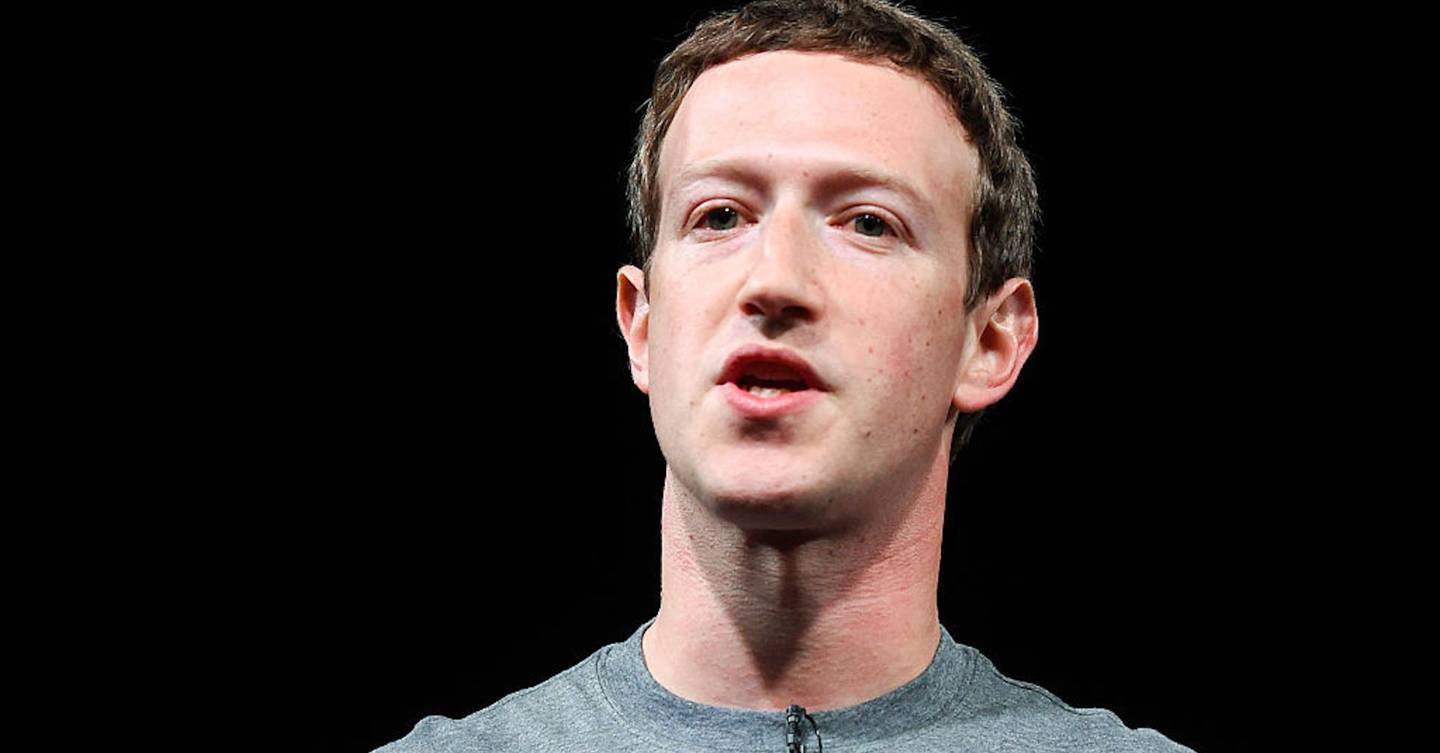 A BBC investigation has revealed that 80 per cent of child abuse images it reported to Facebook were not removed. Facebook responded to the allegations by requesting the BBC send examples of the material to it, then reporting the team to the authorities for sending them. A BBC investigation has revealed that 80 per cent of child abuse images it reported to Facebook were not removed. Facebook responded to the allegations by requesting the BBC send examples of the material to it, then reporting the team to the authorities for sending them.
| |
Submitted at 10-29-2020, 12:04 AM by Forensic | |
Submitted at 10-28-2020, 11:15 PM by Xiphias | |
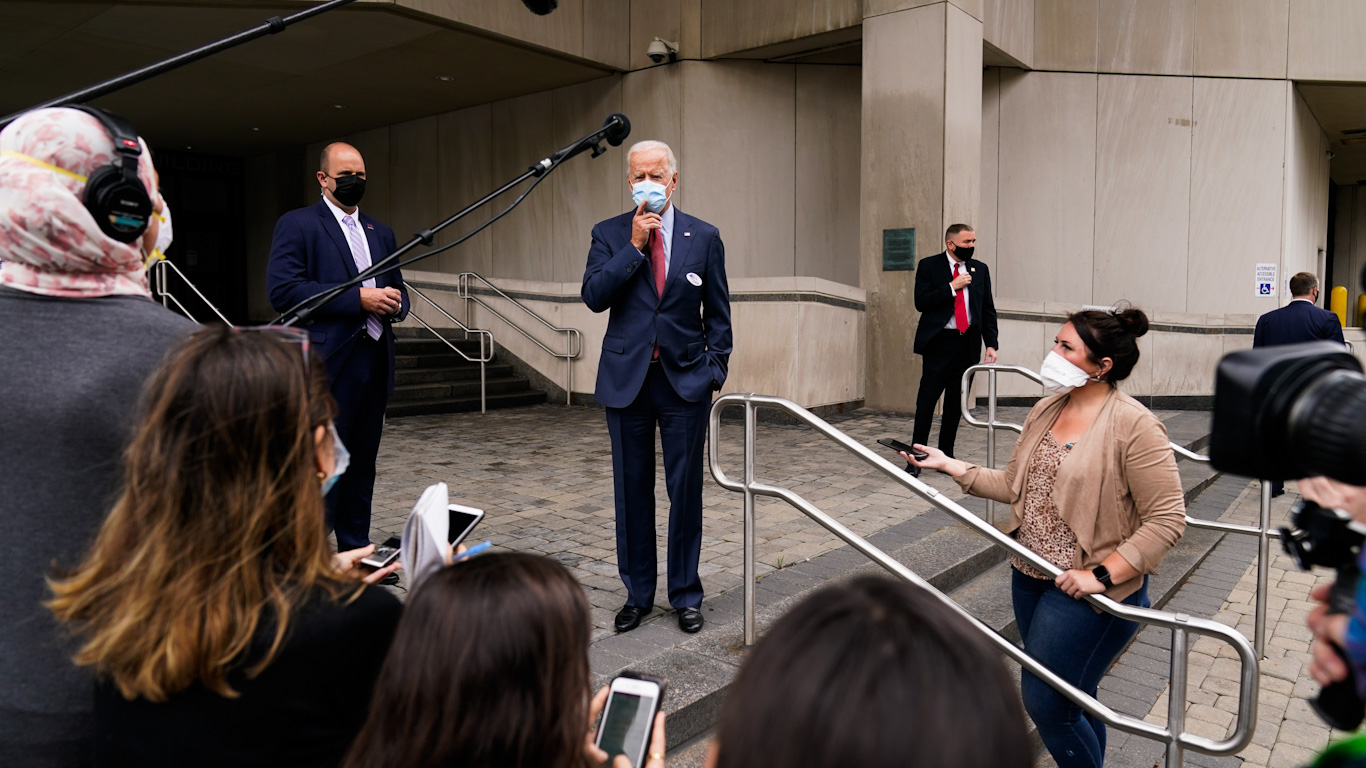 With less than a week to go, polling shows Democratic candidate Joe Biden to hold a 7.1 point average lead on incumbent president Donald Trump. Thus, thoughts of what his foreign policy would look like have come to the fore. Yesterday, The New York Times published a long piece discussing the 77-year-old’s plans for Latin America. The Times was hopeful, noting that Biden would seek to “repudiate” Trump’s “hardball approach” to the region, which has caused a great deal of harm, rallying round shared goals of combating climate change.
Yet buried deep in the article is perhaps the most eye-opening sentence:
"Mr. Biden’s advisers say they would seek to revive the anti-corruption campaign that set off political earthquakes across the Americas starting in 2014, but largely stalled in recent years.”"
What the authors are referring to is a continent-wide campaign to unseat progressive leaders that ended in the jailing of Brazilian president Lula da Silva, the impeachment of his successor Dilma Rousseff, and the rise of the far-right authoritarian Jair Bolsonaro. The so-called Operation Car Wash (“Lava Jato” in Portuguese) was ostensibly an attempt to root out corruption at all levels of society. Yet leaked documents and recordings have shown that, from the beginning, it was a naked powerplay attempt by Brazil’s rich elite to retake control of society from the progressive Workers’ Party administrations through legal means. With less than a week to go, polling shows Democratic candidate Joe Biden to hold a 7.1 point average lead on incumbent president Donald Trump. Thus, thoughts of what his foreign policy would look like have come to the fore. Yesterday, The New York Times published a long piece discussing the 77-year-old’s plans for Latin America. The Times was hopeful, noting that Biden would seek to “repudiate” Trump’s “hardball approach” to the region, which has caused a great deal of harm, rallying round shared goals of combating climate change.
Yet buried deep in the article is perhaps the most eye-opening sentence:
"Mr. Biden’s advisers say they would seek to revive the anti-corruption campaign that set off political earthquakes across the Americas starting in 2014, but largely stalled in recent years.”"
What the authors are referring to is a continent-wide campaign to unseat progressive leaders that ended in the jailing of Brazilian president Lula da Silva, the impeachment of his successor Dilma Rousseff, and the rise of the far-right authoritarian Jair Bolsonaro. The so-called Operation Car Wash (“Lava Jato” in Portuguese) was ostensibly an attempt to root out corruption at all levels of society. Yet leaked documents and recordings have shown that, from the beginning, it was a naked powerplay attempt by Brazil’s rich elite to retake control of society from the progressive Workers’ Party administrations through legal means. | |
Submitted at 10-28-2020, 09:20 PM by sleeppoor | |
 The U.S. Citizenship and Immigration Services — which processes U.S. citizenship applications — incorrectly told hundreds of new U.S. citizens in Massachusetts this week that they can't vote in this year’s general election because the state’s registration deadline had passed before they took their citizenship oaths, GBH News has learned.
In a statement provided Tuesday night after inquiries by GBH News, USCIS Boston District Director Denis C. Riordan confirmed that some USCIS officials presiding over naturalization ceremonies Monday and Tuesday had informed newly sworn-in citizens that Massachusetts’ Oct. 24 voter registration deadline had already passed, so they would not be able to vote. The agency has since confirmed that in Massachusetts, residents naturalized after that deadline may still register to vote up until 4 p.m. on Nov. 2.
Riordan said the officers based their misinformation on a web page maintained by the Massachusetts Secretary of State, which does not mention the exception.
The agency is reaching out by phone to some 409 new citizens who received the incomplete information during 36 naturalization ceremonies Monday and Tuesday, Riordan said.
GBH News inquired about the ceremonies after being alerted to the erroneous information by Erika Constantine, a Canadian-born resident of North Attleboro who moved to Massachusetts nearly two decades ago and was among hundreds of new citizens naturalized Tuesday.
At her ceremony, Constantine says, the presiding USCIS officer told the new citizens they would not be able to vote in the November general election. The U.S. Citizenship and Immigration Services — which processes U.S. citizenship applications — incorrectly told hundreds of new U.S. citizens in Massachusetts this week that they can't vote in this year’s general election because the state’s registration deadline had passed before they took their citizenship oaths, GBH News has learned.
In a statement provided Tuesday night after inquiries by GBH News, USCIS Boston District Director Denis C. Riordan confirmed that some USCIS officials presiding over naturalization ceremonies Monday and Tuesday had informed newly sworn-in citizens that Massachusetts’ Oct. 24 voter registration deadline had already passed, so they would not be able to vote. The agency has since confirmed that in Massachusetts, residents naturalized after that deadline may still register to vote up until 4 p.m. on Nov. 2.
Riordan said the officers based their misinformation on a web page maintained by the Massachusetts Secretary of State, which does not mention the exception.
The agency is reaching out by phone to some 409 new citizens who received the incomplete information during 36 naturalization ceremonies Monday and Tuesday, Riordan said.
GBH News inquired about the ceremonies after being alerted to the erroneous information by Erika Constantine, a Canadian-born resident of North Attleboro who moved to Massachusetts nearly two decades ago and was among hundreds of new citizens naturalized Tuesday.
At her ceremony, Constantine says, the presiding USCIS officer told the new citizens they would not be able to vote in the November general election. | |
Submitted at 10-28-2020, 09:16 PM by sleeppoor | |
 Billy Joe Shaver, the outlaw-country music pioneer who wrote some of the genre’s greatest songs, died Wednesday in Waco, Texas, after suffering a stroke. He was 81. Connie Nelson, a friend of Shaver’s, confirmed his death to Rolling Stone.
Shaver’s hard-lived career classics included “Honky Tonk Heroes,” “Georgia on a Fast Train,” “Old Five and Dimers Like Me,” and “Live Forever.” He wrote nine out of the 10 songs on Waylon Jennings’ 1973 outlaw-country breakthrough Honky Tonk Heroes; Kris Kristofferson, Johnny Cash, and Elvis Presley all recorded his songs; and in 2010, Willie Nelson called him “the greatest living songwriter.” Billy Joe Shaver, the outlaw-country music pioneer who wrote some of the genre’s greatest songs, died Wednesday in Waco, Texas, after suffering a stroke. He was 81. Connie Nelson, a friend of Shaver’s, confirmed his death to Rolling Stone.
Shaver’s hard-lived career classics included “Honky Tonk Heroes,” “Georgia on a Fast Train,” “Old Five and Dimers Like Me,” and “Live Forever.” He wrote nine out of the 10 songs on Waylon Jennings’ 1973 outlaw-country breakthrough Honky Tonk Heroes; Kris Kristofferson, Johnny Cash, and Elvis Presley all recorded his songs; and in 2010, Willie Nelson called him “the greatest living songwriter.” | |
Submitted at 10-28-2020, 08:15 PM by sleeppoor | |
 Rep. Michael McCaul (R-TX), the fourth-richest member of Congress with a fortune of roughly $113 million, earns part of his wealth through alleged predatory landlord practices, according to county court records obtained by the Prospect. McCaul’s commercial real estate companies have pursued at least two dozen lawsuits over breaches of lease agreements.
Most of the businesses were owned by people of color. Tenants complained about leases being granted under false pretenses, poor conditions in the properties, or hardship events forcing their abandonment, including at least one restaurant closed by law during the coronavirus pandemic. But McCaul’s companies aggressively pursued back rent and expenses anyway. Rep. Michael McCaul (R-TX), the fourth-richest member of Congress with a fortune of roughly $113 million, earns part of his wealth through alleged predatory landlord practices, according to county court records obtained by the Prospect. McCaul’s commercial real estate companies have pursued at least two dozen lawsuits over breaches of lease agreements.
Most of the businesses were owned by people of color. Tenants complained about leases being granted under false pretenses, poor conditions in the properties, or hardship events forcing their abandonment, including at least one restaurant closed by law during the coronavirus pandemic. But McCaul’s companies aggressively pursued back rent and expenses anyway.
| |
Submitted at 10-28-2020, 07:08 PM by Forensic | |
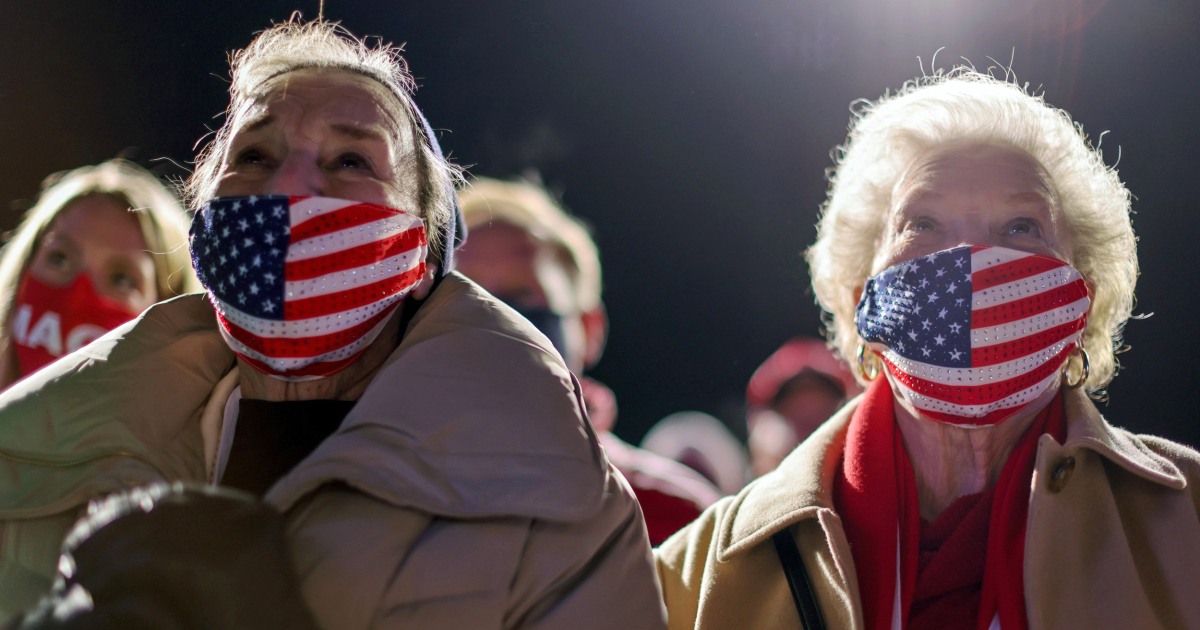 Hundreds of President Donald Trump's supporters were left in the freezing cold for hours after a rally at an airfield in Omaha, Nebraska, on Tuesday night, with some walking around 3 miles to waiting buses and others being taken away in ambulances.
Seven people were taken to area hospitals, suffering from a variety of conditions, and there were a total of 30 "contacted" for medical reasons, the Omaha Police Department said in a statement. The Omaha Airport Authority had a slightly different figure of the Hundreds of President Donald Trump's supporters were left in the freezing cold for hours after a rally at an airfield in Omaha, Nebraska, on Tuesday night, with some walking around 3 miles to waiting buses and others being taken away in ambulances.
Seven people were taken to area hospitals, suffering from a variety of conditions, and there were a total of 30 "contacted" for medical reasons, the Omaha Police Department said in a statement. The Omaha Airport Authority had a slightly different figure of the | |
Submitted at 10-28-2020, 07:01 PM by Xiphias | |
 What the contents of our refrigerators say about our politics — and our assumptions. What the contents of our refrigerators say about our politics — and our assumptions. | |
Submitted at 10-28-2020, 04:52 PM by Xiphias | |