

| News | |||||||||||||||||||||||||||||||||||||||||||||||||||||||||||||||||||||||||||||||||||||||||||||||||||||||||||||||||||||||||||||||||||||||||||||||||||||||||||||||
 Dozens of people on a terrorist watch list were in Washington for pro-Trump events Jan. 6, a day that ended in a chaotic crime rampage when a violent mob stormed the U.S. Capitol, according to people familiar with evidence gathered in the FBI’s investigation.
The majority of the watch-listed individuals in Washington that day are suspected white supremacists whose past conduct so alarmed investigators that their names had been previously entered into the national Terrorist Screening Database, or TSDB, a massive set of names flagged as potential security risks, these people said. The watch list is larger and separate from the “no-fly” list the government maintains to prevent terrorism suspects from boarding airplanes, and those listed are not automatically barred from any public or commercial spaces, current and former officials said.
The presence of so many watch-listed individuals in one place — without more robust security measures to protect the public — is another example of the intelligence failures preceding last week’s fatal assault that sent lawmakers running for their lives, some current and former law enforcement officials argued. The revelation follows a Washington Post report earlier this week detailing the FBI’s failure to act aggressively on an internal intelligence report of Internet discussions about plans to attack Congress, smash windows, break down doors and “get violent . . . go there ready for war.” Dozens of people on a terrorist watch list were in Washington for pro-Trump events Jan. 6, a day that ended in a chaotic crime rampage when a violent mob stormed the U.S. Capitol, according to people familiar with evidence gathered in the FBI’s investigation.
The majority of the watch-listed individuals in Washington that day are suspected white supremacists whose past conduct so alarmed investigators that their names had been previously entered into the national Terrorist Screening Database, or TSDB, a massive set of names flagged as potential security risks, these people said. The watch list is larger and separate from the “no-fly” list the government maintains to prevent terrorism suspects from boarding airplanes, and those listed are not automatically barred from any public or commercial spaces, current and former officials said.
The presence of so many watch-listed individuals in one place — without more robust security measures to protect the public — is another example of the intelligence failures preceding last week’s fatal assault that sent lawmakers running for their lives, some current and former law enforcement officials argued. The revelation follows a Washington Post report earlier this week detailing the FBI’s failure to act aggressively on an internal intelligence report of Internet discussions about plans to attack Congress, smash windows, break down doors and “get violent . . . go there ready for war.” | |
Submitted at 01-14-2021, 08:34 PM by Forensic | |
1 Comment | |
 Home Alone actor Macaulay Culkin is backing calls to edit Donald Trump’s cameo from the film’s 1992 sequel, Home Alone 2: Lost in New York. In response to a tweet Wednesday, calling for a “petition to digitally replace Trump in ‘home alone 2’ with 40-year-old macaulay culkin,” Culkin replied “Sold.” The Guardian reports that Culkin also replied to a Twitter user’s edit of the scene, which rendered Trump into an invisible blob with, “Bravo.” Home Alone actor Macaulay Culkin is backing calls to edit Donald Trump’s cameo from the film’s 1992 sequel, Home Alone 2: Lost in New York. In response to a tweet Wednesday, calling for a “petition to digitally replace Trump in ‘home alone 2’ with 40-year-old macaulay culkin,” Culkin replied “Sold.” The Guardian reports that Culkin also replied to a Twitter user’s edit of the scene, which rendered Trump into an invisible blob with, “Bravo.” | |
Submitted at 01-14-2021, 08:29 PM by B. Weed | |
 A member of the Proud Boys has been arrested for allegedly planning a second attack on the US Capitol.
Edward Florea, a 40-year-old man from New York that claimed he was a member of the Proud Boys was arrested Tuesday for calling for a second armed insurrection in Washington DC. Supporters of Donald Trump attacked the Capitol last week in an attempt to overturn the 2020 election.
WLNY, a local news broadcaster, first reported his arrest.
"The joint terrorism task force is holding him on weapons charges after he allegedly wrote online that he is a member of the Proud Boys and wanted to arm people to travel to Washington, D.C.," the report states. A member of the Proud Boys has been arrested for allegedly planning a second attack on the US Capitol.
Edward Florea, a 40-year-old man from New York that claimed he was a member of the Proud Boys was arrested Tuesday for calling for a second armed insurrection in Washington DC. Supporters of Donald Trump attacked the Capitol last week in an attempt to overturn the 2020 election.
WLNY, a local news broadcaster, first reported his arrest.
"The joint terrorism task force is holding him on weapons charges after he allegedly wrote online that he is a member of the Proud Boys and wanted to arm people to travel to Washington, D.C.," the report states. | |
Submitted at 01-14-2021, 08:12 PM by Xiphias | |
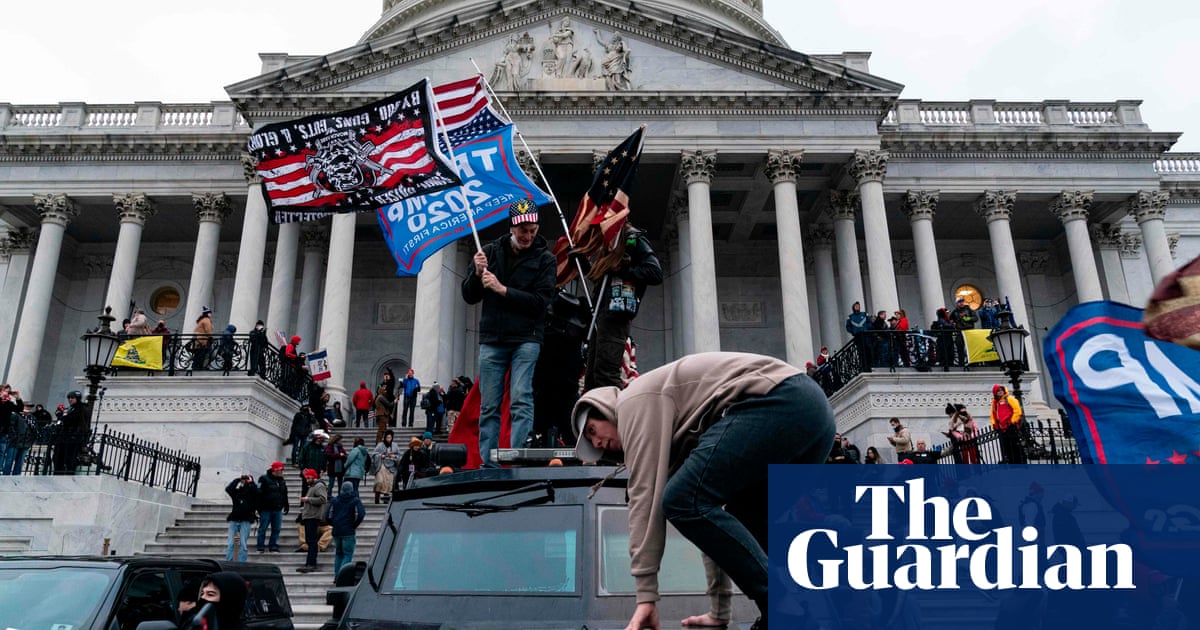 Audio and chat logs reveal that at least two insurrectionists who broke into the Capitol on 6 January used Zello, a social media walkie-talkie app that critics say has largely ignored a growing far-right user base.
“We are in the main dome right now,” said a female militia member, speaking on Zello, her voice competing with the cacophony of a clash with Capitol police. “We are rocking it. They’re throwing grenades, they’re frickin’ shooting people with paintballs, but we’re in here.”
“God bless and godspeed. Keep going,” said a male voice from a quiet environment.
“Jess, do your shit,” said another. “This is what we fucking lived up for. Everything we fucking trained for.”
Audio and chat logs reveal that at least two insurrectionists who broke into the Capitol on 6 January used Zello, a social media walkie-talkie app that critics say has largely ignored a growing far-right user base.
“We are in the main dome right now,” said a female militia member, speaking on Zello, her voice competing with the cacophony of a clash with Capitol police. “We are rocking it. They’re throwing grenades, they’re frickin’ shooting people with paintballs, but we’re in here.”
“God bless and godspeed. Keep going,” said a male voice from a quiet environment.
“Jess, do your shit,” said another. “This is what we fucking lived up for. Everything we fucking trained for.” | |
Submitted at 01-14-2021, 08:07 PM by Forensic | |
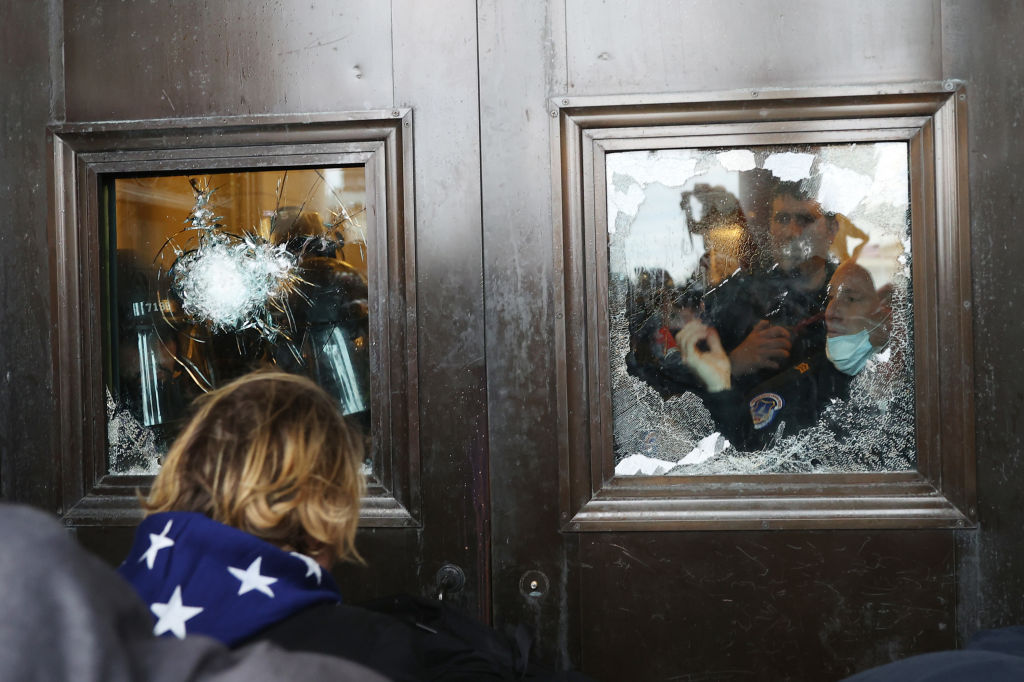 AChicago man who the FBI says documented his involvement in the storming of the U.S. Capitol on Instagram, has been charged.
Investigators said Kevin Lyons admitted to entering the House Speaker's office last week, having allegedly, posting a photograph on Instagram of a sign for Nancy Pelosi's office with the caption: "WHOS HOUSE?!?!? [sic] OUR HOUSE!!"
Lyons was said to have expressed surprise that officers had traced the picture, which was only on the social media site briefly, allegedly telling police: "Wow you are pretty good, that was up for only an hour."
The 40-year-old technician was arrested by the FBI's Joint Terrorism Task Force on Wednesday in the Jackson Heights neighborhood of the city. AChicago man who the FBI says documented his involvement in the storming of the U.S. Capitol on Instagram, has been charged.
Investigators said Kevin Lyons admitted to entering the House Speaker's office last week, having allegedly, posting a photograph on Instagram of a sign for Nancy Pelosi's office with the caption: "WHOS HOUSE?!?!? [sic] OUR HOUSE!!"
Lyons was said to have expressed surprise that officers had traced the picture, which was only on the social media site briefly, allegedly telling police: "Wow you are pretty good, that was up for only an hour."
The 40-year-old technician was arrested by the FBI's Joint Terrorism Task Force on Wednesday in the Jackson Heights neighborhood of the city. | |
Submitted at 01-14-2021, 08:00 PM by Xiphias | |
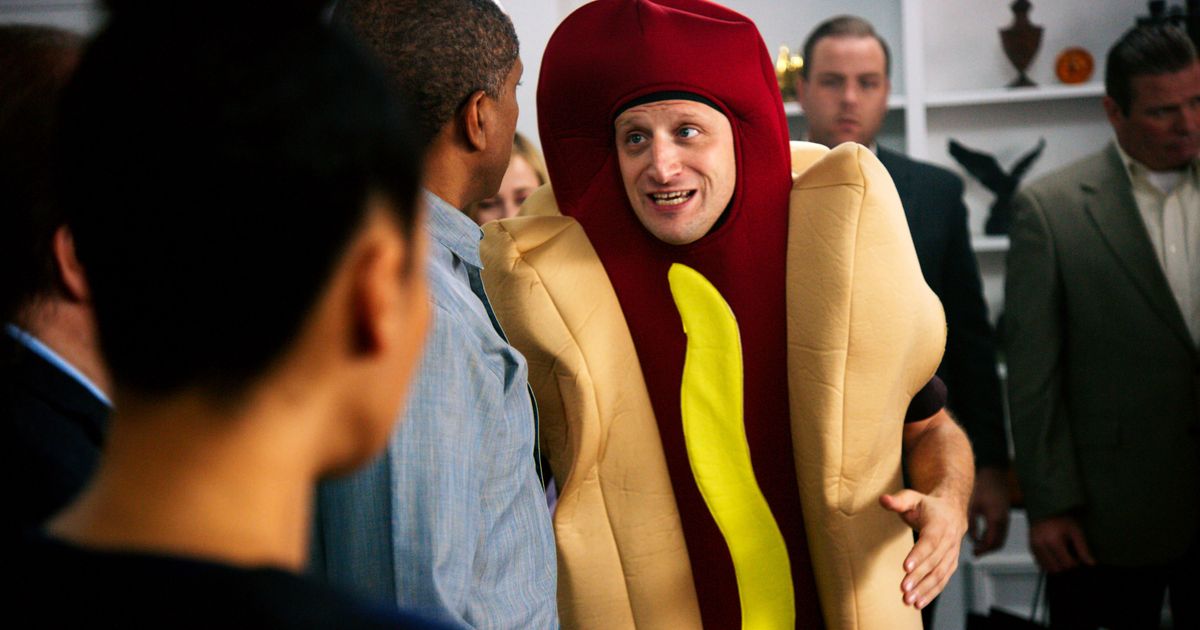 On the evening of January 6, the day of the storming of the U.S. Capitol, comedian and Desus & Mero writer Josh Gondelman tweeted, “I am furious at this news cycle for turning the Tim Robinson hot dog car sketch into political comedy.” Chances are you’ve seen a meme from the sketch to which he’s referring. It’s a moment from I Think You Should Leave, the hit sketch show from Detroiters creator and ex-SNL writer Tim Robinson that premiered on Netflix in 2019. The meme has become internet shorthand for anybody who refuses to acknowledge the consequences of their own actions, which, of course, means it’s mostly used to reference politics. Even actual politicians have used it: In December 2020, Representative Ilhan Omar posted it to highlight the irony of ExxonMobil tweeting about climate change. By the time Gondelman tweeted about it — after a slew of speeches in which pro-Trump politicians attempted to thread the needle between not being tried for treason and not pissing off their constituents, some of whom stormed the Capitol essentially at their behest — the hot-dog sketch felt more politically relevant than ever. On the evening of January 6, the day of the storming of the U.S. Capitol, comedian and Desus & Mero writer Josh Gondelman tweeted, “I am furious at this news cycle for turning the Tim Robinson hot dog car sketch into political comedy.” Chances are you’ve seen a meme from the sketch to which he’s referring. It’s a moment from I Think You Should Leave, the hit sketch show from Detroiters creator and ex-SNL writer Tim Robinson that premiered on Netflix in 2019. The meme has become internet shorthand for anybody who refuses to acknowledge the consequences of their own actions, which, of course, means it’s mostly used to reference politics. Even actual politicians have used it: In December 2020, Representative Ilhan Omar posted it to highlight the irony of ExxonMobil tweeting about climate change. By the time Gondelman tweeted about it — after a slew of speeches in which pro-Trump politicians attempted to thread the needle between not being tried for treason and not pissing off their constituents, some of whom stormed the Capitol essentially at their behest — the hot-dog sketch felt more politically relevant than ever. | |
Submitted at 01-14-2021, 07:59 PM by Xiphias | |
 Last week, Tony Award-winning playwright, screenwriter and actress Sarah Jones announced her directorial debut Sell/Buy/Date, based on her 2016 one-woman show of the same name. The off-Broadway production has been described as “an exploration of commercial sex with a sci-fi twist,” with Jones playing multiple characters, including a “sex work studies” student and a former pimp. The upcoming documentary will explore whether sex work is “empowering or exploitative” with interviews from former and current sex workers, their male customers, celebrities, and experts. It will also tackle themes like “inequality of criminal justice, race, sexism and poverty.” Additionally, the press release reported that Laverne Cox, Rashida Jones and Meryl Streep were set to produce.
Only two days after the announcement, however, Cox rescinded her role in the documentary after sex workers began expressing their concerns and frustrations with the film on social media.
Cox wrote in a statement she posted to Twitter, “When I agreed to come on as a producer for Sell/Buy/Date, I did so because I was so deeply moved by Sarah Jones’ brilliant play and her unbelievable, undeniable talent as an artist, as an actor. I signed on to support her incredible talent. I have so much love for her as a human being. But I am not in the emotional place to deal with the outrage by some around my participation in the project. So I have decided to pull out. To be clear, I am no longer in any capacity in Sell/Buy/Date. I have to take care of my mental, physical and emotional health. That is all I have to say on the matter.” Last week, Tony Award-winning playwright, screenwriter and actress Sarah Jones announced her directorial debut Sell/Buy/Date, based on her 2016 one-woman show of the same name. The off-Broadway production has been described as “an exploration of commercial sex with a sci-fi twist,” with Jones playing multiple characters, including a “sex work studies” student and a former pimp. The upcoming documentary will explore whether sex work is “empowering or exploitative” with interviews from former and current sex workers, their male customers, celebrities, and experts. It will also tackle themes like “inequality of criminal justice, race, sexism and poverty.” Additionally, the press release reported that Laverne Cox, Rashida Jones and Meryl Streep were set to produce.
Only two days after the announcement, however, Cox rescinded her role in the documentary after sex workers began expressing their concerns and frustrations with the film on social media.
Cox wrote in a statement she posted to Twitter, “When I agreed to come on as a producer for Sell/Buy/Date, I did so because I was so deeply moved by Sarah Jones’ brilliant play and her unbelievable, undeniable talent as an artist, as an actor. I signed on to support her incredible talent. I have so much love for her as a human being. But I am not in the emotional place to deal with the outrage by some around my participation in the project. So I have decided to pull out. To be clear, I am no longer in any capacity in Sell/Buy/Date. I have to take care of my mental, physical and emotional health. That is all I have to say on the matter.” | |
Submitted at 01-14-2021, 07:57 PM by Xiphias | |
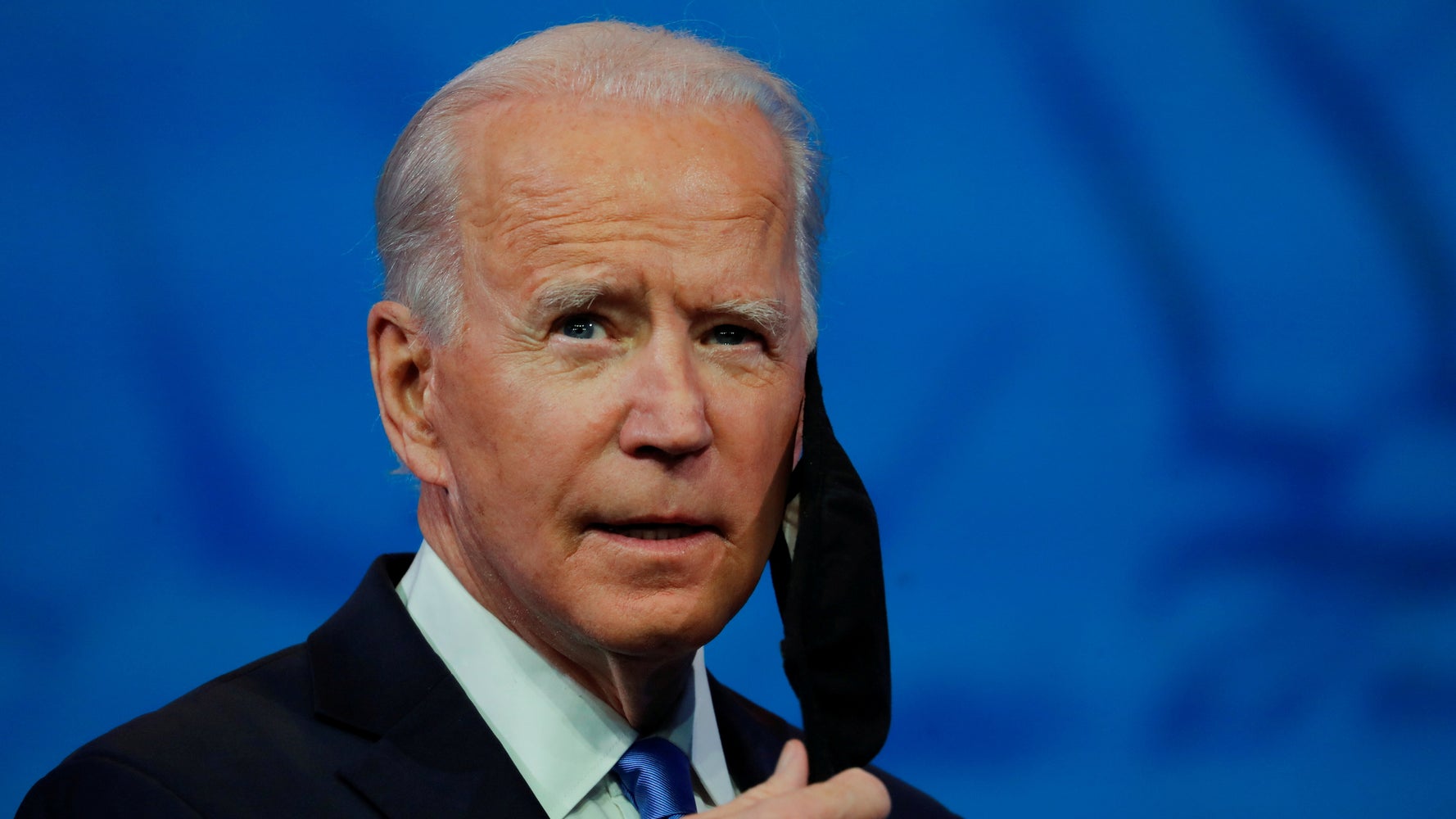 includes a commitment for $1,400 stimulus checks includes a commitment for $1,400 stimulus checks | |
Submitted at 01-14-2021, 07:56 PM by Xiphias | |
 'On January 21, 2021, I'll be filing Articles of Impeachment against Joe Biden for abuse of power,' Ms Greene had tweeted 'On January 21, 2021, I'll be filing Articles of Impeachment against Joe Biden for abuse of power,' Ms Greene had tweeted | |
Submitted at 01-14-2021, 07:39 PM by wintermute | |
 A racing pigeon has survived an extraordinary 13,000-kilometer (8,000-mile) Pacific Ocean crossing from the United States to find a new home in Australia.
(you crow eating, criminally descended bastards) A racing pigeon has survived an extraordinary 13,000-kilometer (8,000-mile) Pacific Ocean crossing from the United States to find a new home in Australia.
(you crow eating, criminally descended bastards) | |
Submitted at 01-14-2021, 07:21 PM by somedongus | |
 Data issued Thursday by NASA confirmed that 2020 has effectively tied the hottest year on record. That means the last seven years have been the warmest since the beginning of modern record-keeping. Data issued Thursday by NASA confirmed that 2020 has effectively tied the hottest year on record. That means the last seven years have been the warmest since the beginning of modern record-keeping. | |
Submitted at 01-14-2021, 06:40 PM by Xiphias | |
 Chattahoochee Police say the vials, valued at $5,000 each, were apparently stolen from the hospital’s medical storage unit. Chattahoochee Police say the vials, valued at $5,000 each, were apparently stolen from the hospital’s medical storage unit. | |
Submitted at 01-14-2021, 06:32 PM by sleeppoor | |
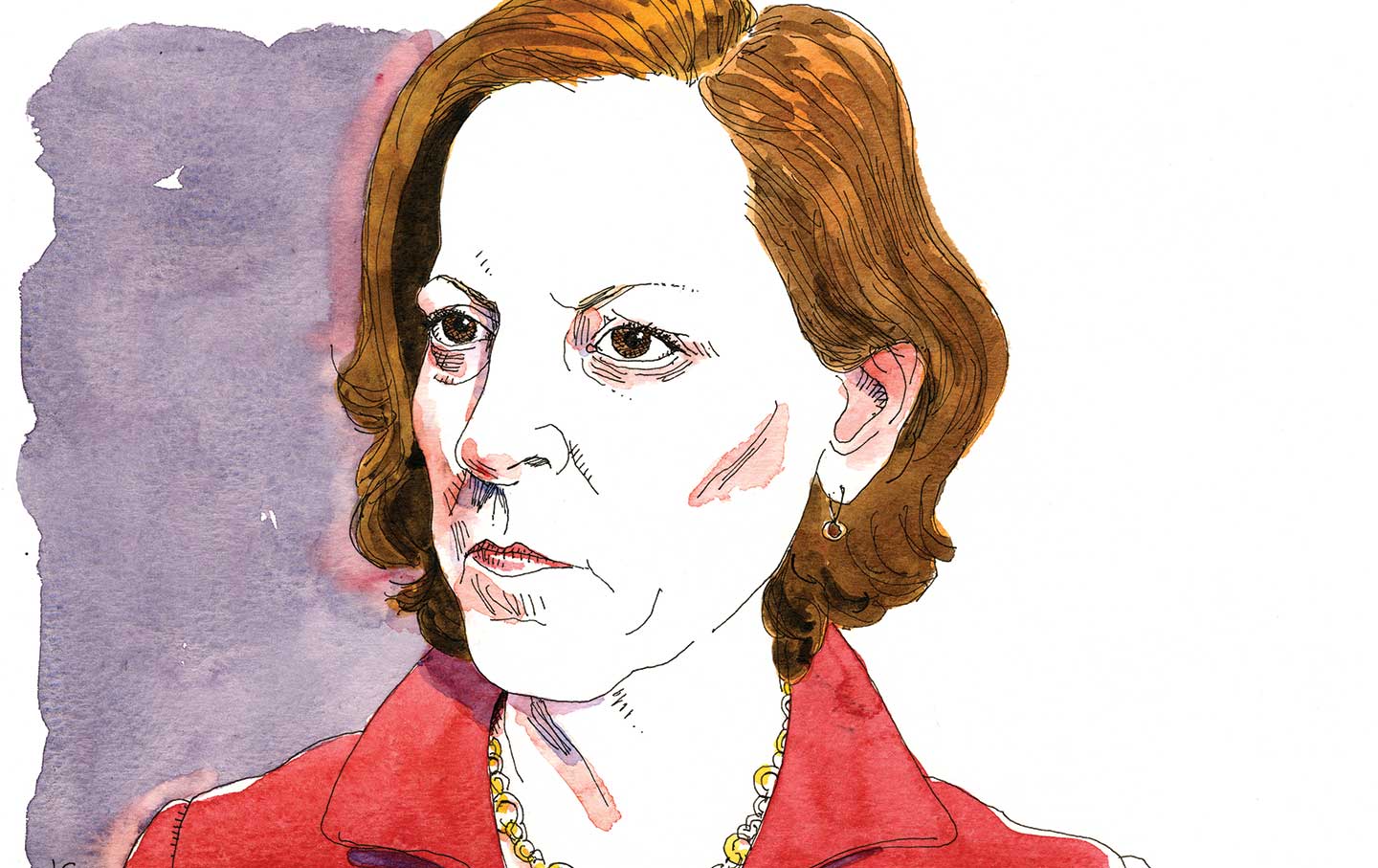 Insofar as the book offers intimate portraits of the sorts of intellectuals who have ended up working to empower the far right, it’s a valuable document. Drawing inspiration from Julien Benda’s The Treason of the Intellectuals, Applebaum makes explicit that she is not setting out to explain what makes today’s populist strongmen tick nor what makes ordinary voters support them, but specifically why some in her orbit—all highly educated, urbane, cosmopolitan journalists, academics, and political operatives—have joined their cause. Up to a point, her main argument is persuasive: that her former friends are motivated less by ideological conviction or material suffering than by humiliation and resentment. In particular, they are driven by a sense that their natural talents have been inadequately recognized and rewarded under the supposedly meritocratic rules of a liberal elite that has dismissed them as mediocrities. They are the losers of liberalism’s cultural hegemony—or so they claim—and in the illiberal politics of the far right, they have found a way to win.
It’s a plausible theory, but implicit within it is an unexamined assumption that liberal meritocracy has worked and will continue to work on its own terms. Applebaum’s blind faith in the center-right strains of neoliberalism and meritocratic mobility also conveniently absolves her and her remaining friends of any responsibility for the present crisis. Their success, when they had it, was well deserved; to the extent that they are now powerless against the dangers presented by their estranged cohort, it is only because real merit is no longer being rewarded. It never seems to cross Applebaum’s mind that having had so many erstwhile friends who ended up on the far right might say something unflattering about her own judgment—and more generally about the center-right political tradition to which she belongs. Insofar as the book offers intimate portraits of the sorts of intellectuals who have ended up working to empower the far right, it’s a valuable document. Drawing inspiration from Julien Benda’s The Treason of the Intellectuals, Applebaum makes explicit that she is not setting out to explain what makes today’s populist strongmen tick nor what makes ordinary voters support them, but specifically why some in her orbit—all highly educated, urbane, cosmopolitan journalists, academics, and political operatives—have joined their cause. Up to a point, her main argument is persuasive: that her former friends are motivated less by ideological conviction or material suffering than by humiliation and resentment. In particular, they are driven by a sense that their natural talents have been inadequately recognized and rewarded under the supposedly meritocratic rules of a liberal elite that has dismissed them as mediocrities. They are the losers of liberalism’s cultural hegemony—or so they claim—and in the illiberal politics of the far right, they have found a way to win.
It’s a plausible theory, but implicit within it is an unexamined assumption that liberal meritocracy has worked and will continue to work on its own terms. Applebaum’s blind faith in the center-right strains of neoliberalism and meritocratic mobility also conveniently absolves her and her remaining friends of any responsibility for the present crisis. Their success, when they had it, was well deserved; to the extent that they are now powerless against the dangers presented by their estranged cohort, it is only because real merit is no longer being rewarded. It never seems to cross Applebaum’s mind that having had so many erstwhile friends who ended up on the far right might say something unflattering about her own judgment—and more generally about the center-right political tradition to which she belongs. | |
Submitted at 01-14-2021, 06:18 PM by blicero | |
 For all their fondness for pronouncing in public (a dangerous vocation), critics seldom admit to worrying about being wrong — in print, that is. The poetry critic Randall Jarrell was a rare exception. He was tormented by the example of “Moby-Dick.” Imagine being one of the reviewers who overlooked it, or, horrors, panned it. “What’s our own ‘Moby-Dick’?” he wrote. “What’s the book that, a hundred years from now, everybody will look down on us for not having liked? What do we say then?”
The anxiety about a classic can persist through ages. How easy it is to be blind to “Moby-Dick” even today. The novel is barnacled with praise, glory; how can we see it clearly, how do we dodge the twin temptations of dull reverence and crabby contrarianism?
That obscuring fog gathers around the contemporary masters, too. Take George Saunders. In recent years, the writer has become regarded as a secular saint of American literature, with his Buddhist-inflected beliefs in fiction’s moral, purifying mission. He made his name with his antic short stories — fables, really — thronged with suicides, amputations, broken men: “the malformed detritus of capitalism, the necessary cost of doing business.” In 2017, he published his first novel, “Lincoln in the Bardo,” set during the Civil War and narrated by a chorus of restless ghosts. They’re stranded in the bardo — Tibetan purgatory — and loafing around a graveyard when they’re interrupted by Abraham Lincoln. He has broken into the tomb of his 11-year-old son, frantic to hold him once more.
The desperate, botched rescue operation is a common feature in Saunders’s work, and his fiction itself has the feeling of a rescue operation — on us, the reader. He’s moved by an evangelical ardor where fiction is concerned, intent on how it can help us “become more loving, more open, less selfish, more present, less delusional,” as he put it in a viral commencement speech. These particular hopes have never been more precisely, joyfully or worryingly articulated than in his new book, “A Swim in a Pond in the Rain,” an analysis of seven classic Russian short stories.
If there are few more treacherous places to turn up than as a character in a George Saunders story — he might have you slapping yourself in the face with your own amputated hand, as he condemns one miserable case — there might be no cushier place than to be a student in his classroom.
The new book emerges from his longtime course on the 19th-century Russian short story — on Chekhov and Turgenev, Tolstoy and Gogol. He dedicates it to his students, “some of the best young writers in America,” he describes them. “They arrive already wonderful.”
“I’m not a critic or a literary historian or an expert on Russian literature or any of that. The focus of my artistic life has been trying to learn to write emotionally moving stories that a reader feels compelled to finish,” Saunders writes. “The aim of this book is mainly diagnostic: If a story drew us in, kept us reading, made us feel respected, how did it do that?”
We read Chekhov’s “In the Cart” with him, line by line. He follows each page with his notes, marveling at every effect, tweezing out each piece of punctuation for our inspection, in some cases exploring different translations of the same story. He writes in praise of “the physics of the form”: efficiency, velocity, specificity and, above all, escalation. “That’s all a story is, really: a continual system of escalation,” he explains. “A swath of prose earns its place in the story to the extent that it contributes to our sense that the story is (still) escalating.”
Editors’ Picks
Seeking a Sunny Manhattan Studio for $2,000. Which of These Would You Choose?
When Getting High Is a Hobby, Not a Habit
I’m making the book sound revoltingly technical. It isn’t. Saunders lives in the synapses — he looks at all the minute and meaningful decisions that produce a sentence, a paragraph, a convincing character. He offers one of the most accurate and beautiful depictions of what it is like to be inside the mind of the writer that I’ve ever read — that state of heightened alertness, lightning-quick decisions.
The book might provoke comparisons to Nabokov’s classic lectures on Russian literature, first delivered at Cornell. But where Nabokov is all high-plumed prose and remove, presiding at his lectern, Saunders is at your elbow, ladling praise — “my good-hearted trooper,” he addresses us.
I don’t think I’ve ever been called a trooper before. I’m not sure I like it.
Here’s where I must admit that I can find myself in an occasional bardo of sorts about Saunders, torn between admiration and wariness. The breadth of his belief in fiction is inspiring — and suspiciously flattering to the reader. “There’s a vast underground network for goodness at work in the world,” he writes. “A web of people who’ve put reading at the center of their lives because they know from experience that reading makes them more expansive, generous people.”
Now, I’m as self-interested a champion of fiction as anyone, but such overstatement does the form no favors — at best it feels naïve, at worst, deeply solipsistic. Is the invasion of Iraq best understood as a “literary failure,” as Saunders has written? Can racism be described as an “antiliterary impulse”?
I suspect Saunders is too spiritually advanced to read his reviews. If he did, however, I imagine he might be beaming. “Good little trooper,” he might say.
There’s no charge I’ve made here that Saunders hasn’t made himself. “I’m kind of a knee-jerk Pollyanna-ish person,” he has said. “I like to find hope, sometimes irritatingly: ‘Oh, there’s a nail in my head. It’s great, I’ll hang a coat on it, that’ll be good.’”
And it’s this very sort of ambiguity in thinking that he reifies, and that fiction, he tells us, makes possible.
In the section on Chekhov’s “The Darling,” Saunders writes that the story seems to ask us to sit in judgment of the character, to ask, “Is this trait of hers good or bad?” Chekhov, he tells us, answers: “Yes.” For all their fondness for pronouncing in public (a dangerous vocation), critics seldom admit to worrying about being wrong — in print, that is. The poetry critic Randall Jarrell was a rare exception. He was tormented by the example of “Moby-Dick.” Imagine being one of the reviewers who overlooked it, or, horrors, panned it. “What’s our own ‘Moby-Dick’?” he wrote. “What’s the book that, a hundred years from now, everybody will look down on us for not having liked? What do we say then?”
The anxiety about a classic can persist through ages. How easy it is to be blind to “Moby-Dick” even today. The novel is barnacled with praise, glory; how can we see it clearly, how do we dodge the twin temptations of dull reverence and crabby contrarianism?
That obscuring fog gathers around the contemporary masters, too. Take George Saunders. In recent years, the writer has become regarded as a secular saint of American literature, with his Buddhist-inflected beliefs in fiction’s moral, purifying mission. He made his name with his antic short stories — fables, really — thronged with suicides, amputations, broken men: “the malformed detritus of capitalism, the necessary cost of doing business.” In 2017, he published his first novel, “Lincoln in the Bardo,” set during the Civil War and narrated by a chorus of restless ghosts. They’re stranded in the bardo — Tibetan purgatory — and loafing around a graveyard when they’re interrupted by Abraham Lincoln. He has broken into the tomb of his 11-year-old son, frantic to hold him once more.
The desperate, botched rescue operation is a common feature in Saunders’s work, and his fiction itself has the feeling of a rescue operation — on us, the reader. He’s moved by an evangelical ardor where fiction is concerned, intent on how it can help us “become more loving, more open, less selfish, more present, less delusional,” as he put it in a viral commencement speech. These particular hopes have never been more precisely, joyfully or worryingly articulated than in his new book, “A Swim in a Pond in the Rain,” an analysis of seven classic Russian short stories.
If there are few more treacherous places to turn up than as a character in a George Saunders story — he might have you slapping yourself in the face with your own amputated hand, as he condemns one miserable case — there might be no cushier place than to be a student in his classroom.
The new book emerges from his longtime course on the 19th-century Russian short story — on Chekhov and Turgenev, Tolstoy and Gogol. He dedicates it to his students, “some of the best young writers in America,” he describes them. “They arrive already wonderful.”
“I’m not a critic or a literary historian or an expert on Russian literature or any of that. The focus of my artistic life has been trying to learn to write emotionally moving stories that a reader feels compelled to finish,” Saunders writes. “The aim of this book is mainly diagnostic: If a story drew us in, kept us reading, made us feel respected, how did it do that?”
We read Chekhov’s “In the Cart” with him, line by line. He follows each page with his notes, marveling at every effect, tweezing out each piece of punctuation for our inspection, in some cases exploring different translations of the same story. He writes in praise of “the physics of the form”: efficiency, velocity, specificity and, above all, escalation. “That’s all a story is, really: a continual system of escalation,” he explains. “A swath of prose earns its place in the story to the extent that it contributes to our sense that the story is (still) escalating.”
Editors’ Picks
Seeking a Sunny Manhattan Studio for $2,000. Which of These Would You Choose?
When Getting High Is a Hobby, Not a Habit
I’m making the book sound revoltingly technical. It isn’t. Saunders lives in the synapses — he looks at all the minute and meaningful decisions that produce a sentence, a paragraph, a convincing character. He offers one of the most accurate and beautiful depictions of what it is like to be inside the mind of the writer that I’ve ever read — that state of heightened alertness, lightning-quick decisions.
The book might provoke comparisons to Nabokov’s classic lectures on Russian literature, first delivered at Cornell. But where Nabokov is all high-plumed prose and remove, presiding at his lectern, Saunders is at your elbow, ladling praise — “my good-hearted trooper,” he addresses us.
I don’t think I’ve ever been called a trooper before. I’m not sure I like it.
Here’s where I must admit that I can find myself in an occasional bardo of sorts about Saunders, torn between admiration and wariness. The breadth of his belief in fiction is inspiring — and suspiciously flattering to the reader. “There’s a vast underground network for goodness at work in the world,” he writes. “A web of people who’ve put reading at the center of their lives because they know from experience that reading makes them more expansive, generous people.”
Now, I’m as self-interested a champion of fiction as anyone, but such overstatement does the form no favors — at best it feels naïve, at worst, deeply solipsistic. Is the invasion of Iraq best understood as a “literary failure,” as Saunders has written? Can racism be described as an “antiliterary impulse”?
I suspect Saunders is too spiritually advanced to read his reviews. If he did, however, I imagine he might be beaming. “Good little trooper,” he might say.
There’s no charge I’ve made here that Saunders hasn’t made himself. “I’m kind of a knee-jerk Pollyanna-ish person,” he has said. “I like to find hope, sometimes irritatingly: ‘Oh, there’s a nail in my head. It’s great, I’ll hang a coat on it, that’ll be good.’”
And it’s this very sort of ambiguity in thinking that he reifies, and that fiction, he tells us, makes possible.
In the section on Chekhov’s “The Darling,” Saunders writes that the story seems to ask us to sit in judgment of the character, to ask, “Is this trait of hers good or bad?” Chekhov, he tells us, answers: “Yes.”
| |
Submitted at 01-14-2021, 05:48 PM by blicero | |
 Allegations of racism against the Capitol Police are nothing new: Over 250 Black cops have sued the department since 2001. Some of those former officers now say it’s no surprise white nationalists were able to storm the building. Allegations of racism against the Capitol Police are nothing new: Over 250 Black cops have sued the department since 2001. Some of those former officers now say it’s no surprise white nationalists were able to storm the building. | |
Submitted at 01-14-2021, 05:29 PM by Xiphias | |
 Instructed not to use any of the half-dozen bathrooms inside the couple’s D.C. home, the Secret Service detail assigned to protect the lives of President Trump’s daughter and son-in-law spent months searching for a reliable restroom. The solution was costly. Instructed not to use any of the half-dozen bathrooms inside the couple’s D.C. home, the Secret Service detail assigned to protect the lives of President Trump’s daughter and son-in-law spent months searching for a reliable restroom. The solution was costly. | |
Submitted at 01-14-2021, 05:13 PM by Forensic | |
 For the record, the American Football Coaches Association is not against the coming changes in regards to the one-time transfer rule and name, image and likeness legislation. It just thinks those two changes have the potential to fundamentally and forever alter college football as we know it.
“Coaches aren’t necessarily against name, image and likeness,” AFCA executive director Todd Berry said in his State of the Profession press conference on Tuesday. “We were all student-athletes, we remember what it was like, we recognize there needs to be some significant changes to the recruiting structure and what student-athletes opportunities are. We’re not against that. The problem we have is that the regulations and restrictions we have that provide for this protective scholastic model that can get you a degree is significant.”
The NCAA was originally scheduled this week to formally approve bylaws that would grant college athletes the ability to profit off their name, image and likeness, but that vote has now been postponed indefinitely. The NCAA has asked for the help of the federal government in establishing a federal law that would supersede the numerous state laws that have popped up over the past couple years, but that entire process is now tabled as Washington processes changes in leadership in the White House and Congress. “There’s no clarity,” Berry said.
But changes are coming, no matter whether the College Sports, Inc., has its ducks in a row or scattered across the floor. Florida’s state law goes into effect July 1, which Berry mentioned as something of a hard deadline to get something figured out.
Berry said the AFCA isn’t moving to prevent their players for earning money beyond their scholarships, but to protect them from a dynamic they may not understand. For the record, the American Football Coaches Association is not against the coming changes in regards to the one-time transfer rule and name, image and likeness legislation. It just thinks those two changes have the potential to fundamentally and forever alter college football as we know it.
“Coaches aren’t necessarily against name, image and likeness,” AFCA executive director Todd Berry said in his State of the Profession press conference on Tuesday. “We were all student-athletes, we remember what it was like, we recognize there needs to be some significant changes to the recruiting structure and what student-athletes opportunities are. We’re not against that. The problem we have is that the regulations and restrictions we have that provide for this protective scholastic model that can get you a degree is significant.”
The NCAA was originally scheduled this week to formally approve bylaws that would grant college athletes the ability to profit off their name, image and likeness, but that vote has now been postponed indefinitely. The NCAA has asked for the help of the federal government in establishing a federal law that would supersede the numerous state laws that have popped up over the past couple years, but that entire process is now tabled as Washington processes changes in leadership in the White House and Congress. “There’s no clarity,” Berry said.
But changes are coming, no matter whether the College Sports, Inc., has its ducks in a row or scattered across the floor. Florida’s state law goes into effect July 1, which Berry mentioned as something of a hard deadline to get something figured out.
Berry said the AFCA isn’t moving to prevent their players for earning money beyond their scholarships, but to protect them from a dynamic they may not understand. | |
Submitted at 01-14-2021, 04:47 PM by sleeppoor | |
/cloudfront-us-east-1.images.arcpublishing.com/tbt/POTO6Z2X4RGMLOTIFX3QCOTRR4.jpg) Dugan, 54, has a relatively mild case but he’s still contending with headaches, fatigue and a cough that makes him sound “like a 30-year smoker.”
As he grapples with the illness, he has also wracked his brain trying to figure out where he might have contracted the virus.
The department last week started giving vaccines to employees who wanted to be vaccinated A recent survey of department employees indicated a significant amount of skepticism among the employees: Of the 1,111 employees who’d responded as of Jan. 4, 424 — or 38 percent — said they were not interested in the vaccine. Another 397 were undecided. Dugan, 54, has a relatively mild case but he’s still contending with headaches, fatigue and a cough that makes him sound “like a 30-year smoker.”
As he grapples with the illness, he has also wracked his brain trying to figure out where he might have contracted the virus.
The department last week started giving vaccines to employees who wanted to be vaccinated A recent survey of department employees indicated a significant amount of skepticism among the employees: Of the 1,111 employees who’d responded as of Jan. 4, 424 — or 38 percent — said they were not interested in the vaccine. Another 397 were undecided. | |
Submitted at 01-14-2021, 04:45 PM by sleeppoor | |
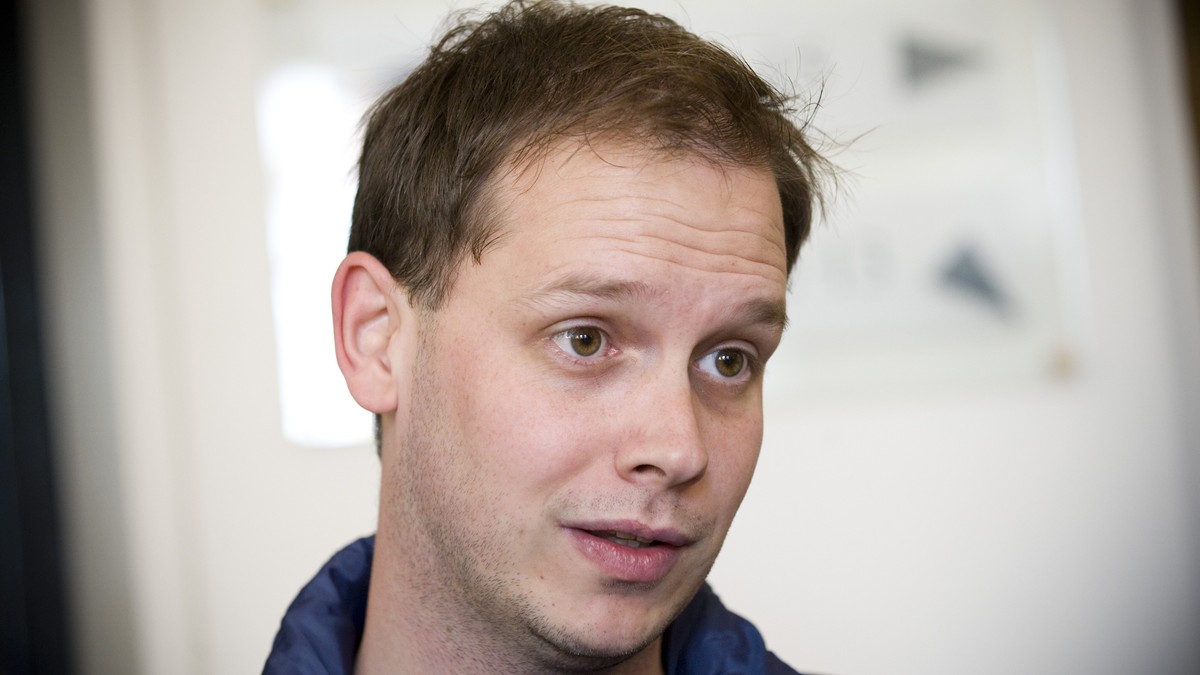 Peter Sunde Kolmisoppi calls Parler’s face plant in the wake of its deplatforming 'embarrassing,' driven by 'egotism.'
“The Pirate Bay, the most censored website in the world, started by kids, run by people with problems with alcohol, drugs and money, still is up after almost two decades,” Kolmisoppi said. “Parlor and gab etc have all the money around but no skills or mindset. Embarrassing.”
In more recent years, Kolmoisoppi has moved on to fund Njalla, a privacy-centric domain name registration service. One he says was already asked to host Parler, and refused.
“Of course we wouldn't,” Kolmisoppi said. “We're pro human rights, which includes the right to not be killed by extreme right wing terrorists.” Peter Sunde Kolmisoppi calls Parler’s face plant in the wake of its deplatforming 'embarrassing,' driven by 'egotism.'
“The Pirate Bay, the most censored website in the world, started by kids, run by people with problems with alcohol, drugs and money, still is up after almost two decades,” Kolmisoppi said. “Parlor and gab etc have all the money around but no skills or mindset. Embarrassing.”
In more recent years, Kolmoisoppi has moved on to fund Njalla, a privacy-centric domain name registration service. One he says was already asked to host Parler, and refused.
“Of course we wouldn't,” Kolmisoppi said. “We're pro human rights, which includes the right to not be killed by extreme right wing terrorists.” | |
Submitted at 01-14-2021, 12:00 PM by Versorium | |
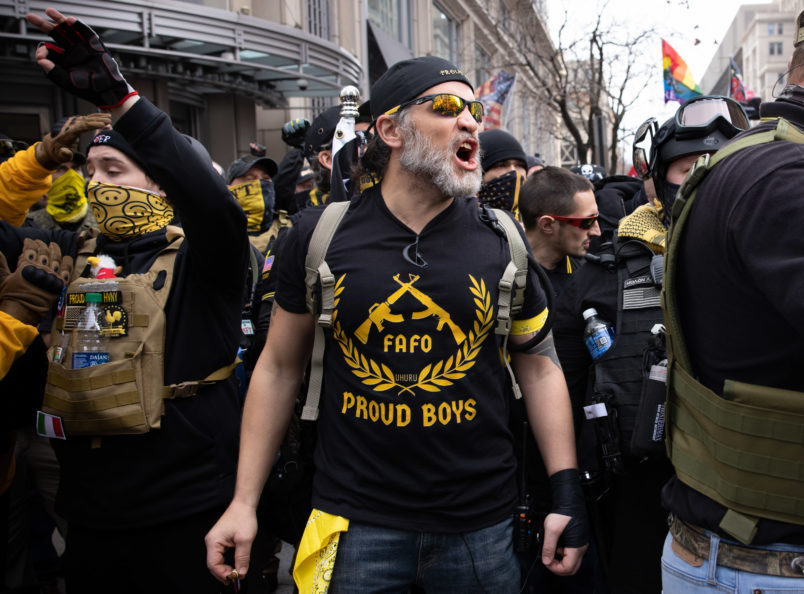 Rather than attend upcoming right-wing demonstrations that have been the subject of federal law enforcement alerts in recent days, members of the right-wing street gang the Proud Boys should “walk backward through a field of dicks,” Proud Boys leader Enrique Tarrio said Wednesday on the group’s Telegram channel. Rather than attend upcoming right-wing demonstrations that have been the subject of federal law enforcement alerts in recent days, members of the right-wing street gang the Proud Boys should “walk backward through a field of dicks,” Proud Boys leader Enrique Tarrio said Wednesday on the group’s Telegram channel. | |
Submitted at 01-14-2021, 07:15 AM by Xiphias | |