

| News | |||||||||||||||||||||||||||||||||||||||||||||||||||||||||||||||||||||||||||||||||||||||||||||||||||||||||||||||||||||||||||||||||||||||||||||||||||||||||||||||
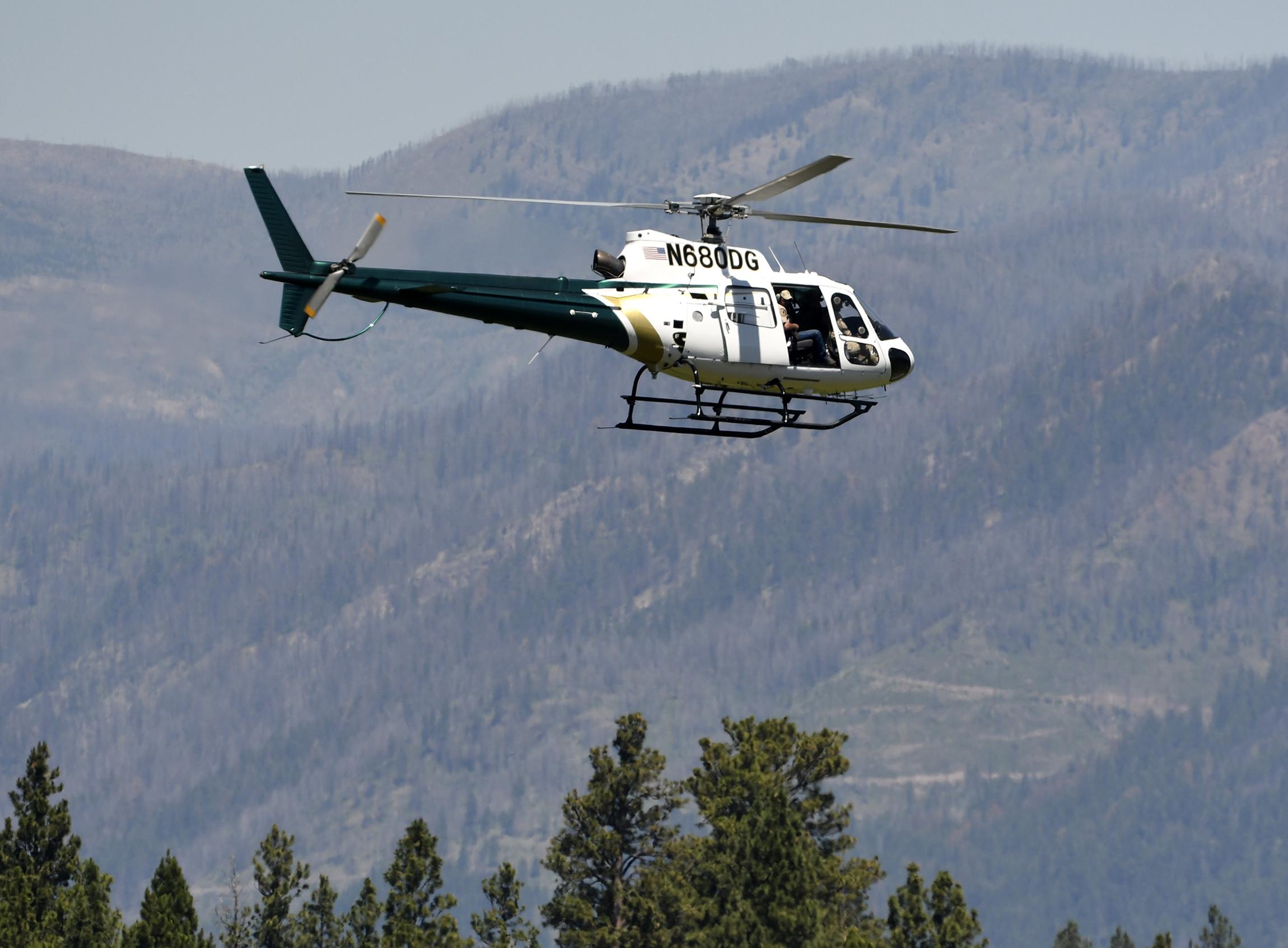 A grizzly bear pulled a woman from her tent in a small Montana town in the middle of the night and killed her before fellow campers could use bear spray to force the bruin out of the area, wildlife officials said. A grizzly bear pulled a woman from her tent in a small Montana town in the middle of the night and killed her before fellow campers could use bear spray to force the bruin out of the area, wildlife officials said. | |
Submitted at 07-08-2021, 05:59 PM by sleeppoor | |
3 Comments | |
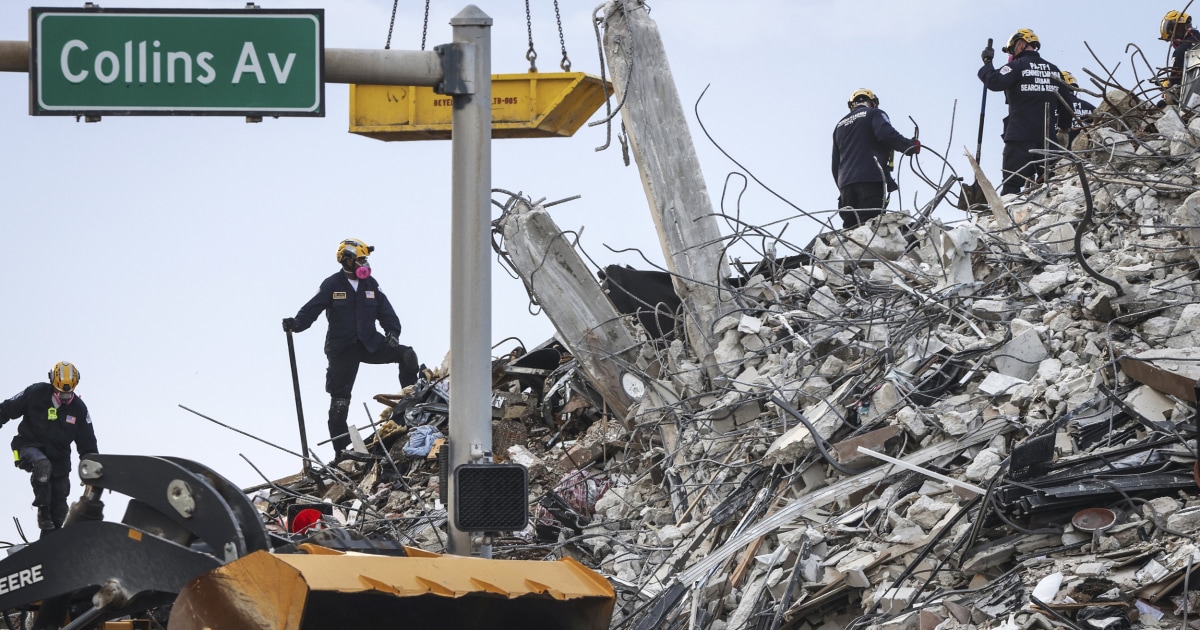 If a 2008 Florida law that required condos to plan for repairs had still been in place, "this never would have happened," said the legislator who sponsored the law. If a 2008 Florida law that required condos to plan for repairs had still been in place, "this never would have happened," said the legislator who sponsored the law. | |
Submitted at 07-08-2021, 04:56 PM by Forensic | |
 Paul Verhoeven has made a career out of pushing cinematic boundaries, particularly when it comes to depicting sex or violence on screen.
In films like “Basic Instinct” and “Showgirls,” he battled the ratings boards, while blockbusters like “Total Recall” and “Robocop” popularized R-rated action. All that changed in the aughts, as Hollywood abandoned those projects, sanded down the edges of commercial movies, and replaced ice-pick wielding serial killers with caped superheroes that appeal to a-all-four quadrants. But Verhoeven endured, turning his attention to European films such as “The Black Book” and “Elle” and earning the critical respect that often evaded him in the 1990s. He’s back in Cannes this year with “Benedetta,” the story of a lesbian affair between nuns in 17th century Italy. The film will be released in the U.S. by IFC Films. Paul Verhoeven has made a career out of pushing cinematic boundaries, particularly when it comes to depicting sex or violence on screen.
In films like “Basic Instinct” and “Showgirls,” he battled the ratings boards, while blockbusters like “Total Recall” and “Robocop” popularized R-rated action. All that changed in the aughts, as Hollywood abandoned those projects, sanded down the edges of commercial movies, and replaced ice-pick wielding serial killers with caped superheroes that appeal to a-all-four quadrants. But Verhoeven endured, turning his attention to European films such as “The Black Book” and “Elle” and earning the critical respect that often evaded him in the 1990s. He’s back in Cannes this year with “Benedetta,” the story of a lesbian affair between nuns in 17th century Italy. The film will be released in the U.S. by IFC Films. | |
Submitted at 07-08-2021, 04:01 PM by sleeppoor | |
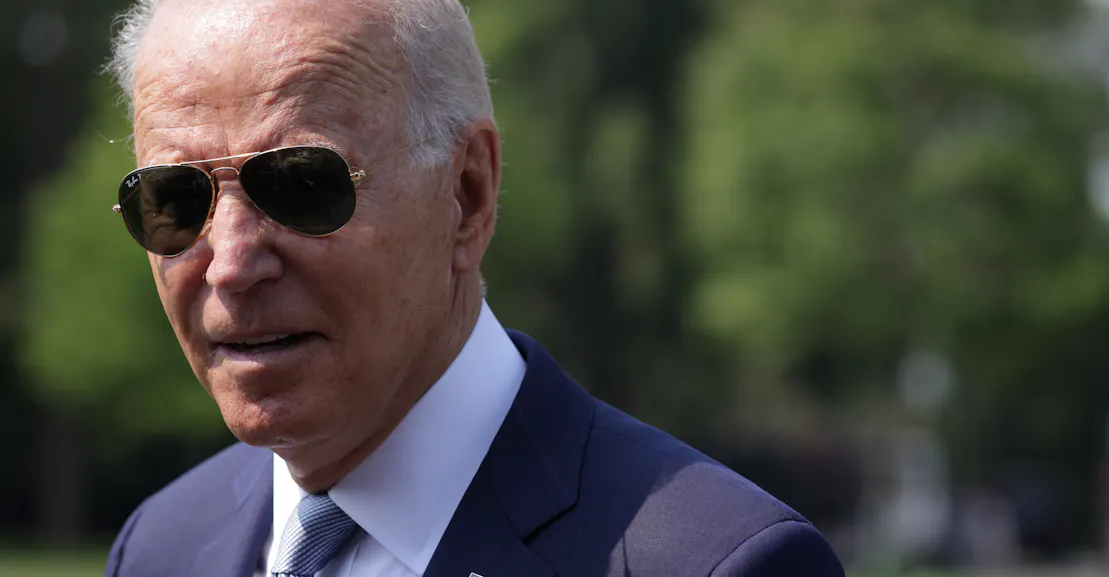 One way or another, U.S. liquefied natural gas is on course for a reckoning. One batch of bad news for the industry came in May, when the International Energy Agency reported that in a scenario for meeting current climate targets, “many of the liquefied natural gas (LNG) liquefaction facilities currently under construction or at the planning stage” are “not needed.” This week, a new report from the agency found that even the slowdown in gas demand projected to begin next year “may still be too high to match a net-zero emissions path.”
Yet in May, American LNG exports climbed to record highs. LNG production here is currently on track to reach its highest-ever levels this year amid economic recoveries at home and abroad, according to the independent energy consultancy Rystad Energy. Shell noted earlier this year that it expects LNG demand to nearly double by 2040, with Asia accounting for 75 percent of demand growth.
But times could be changing. Last week, the Department of Energy announced it would review a proposed LNG export facility in Alaska’s North Slope, being built by state-owned Alaska Gasline Development Corp. The DOE’s supplemental environmental impact statement will analyze both the project’s local environmental harms and the life-cycle greenhouse gas emissions of the LNG it would export, most of which is destined for Asia. The review is being carried out as a result of two executive orders issued by the Biden administration in January, directing federal agencies to review and strengthen regulations to combat the climate crisis. Prompted by a request from the Sierra Club, this action from the department could set an important precedent for the U.S. reviewing the climate impacts of its fossil fuel exports, whose burning tends not to be reflected in domestic greenhouse gas accounting.
U.S. gas is in a tricky economic situation as it is. As exports have surged, the short-run marginal costs for exporting to one of its key target markets—Asia—have risen by 65 percent since this time last year, amid rising transportation and oil prices. Given how costly American LNG is relative to LNG from other providers like Qatar, it could struggle in Asia, in particular, over the next several years, regardless of what new climate rules stick. One way or another, U.S. liquefied natural gas is on course for a reckoning. One batch of bad news for the industry came in May, when the International Energy Agency reported that in a scenario for meeting current climate targets, “many of the liquefied natural gas (LNG) liquefaction facilities currently under construction or at the planning stage” are “not needed.” This week, a new report from the agency found that even the slowdown in gas demand projected to begin next year “may still be too high to match a net-zero emissions path.”
Yet in May, American LNG exports climbed to record highs. LNG production here is currently on track to reach its highest-ever levels this year amid economic recoveries at home and abroad, according to the independent energy consultancy Rystad Energy. Shell noted earlier this year that it expects LNG demand to nearly double by 2040, with Asia accounting for 75 percent of demand growth.
But times could be changing. Last week, the Department of Energy announced it would review a proposed LNG export facility in Alaska’s North Slope, being built by state-owned Alaska Gasline Development Corp. The DOE’s supplemental environmental impact statement will analyze both the project’s local environmental harms and the life-cycle greenhouse gas emissions of the LNG it would export, most of which is destined for Asia. The review is being carried out as a result of two executive orders issued by the Biden administration in January, directing federal agencies to review and strengthen regulations to combat the climate crisis. Prompted by a request from the Sierra Club, this action from the department could set an important precedent for the U.S. reviewing the climate impacts of its fossil fuel exports, whose burning tends not to be reflected in domestic greenhouse gas accounting.
U.S. gas is in a tricky economic situation as it is. As exports have surged, the short-run marginal costs for exporting to one of its key target markets—Asia—have risen by 65 percent since this time last year, amid rising transportation and oil prices. Given how costly American LNG is relative to LNG from other providers like Qatar, it could struggle in Asia, in particular, over the next several years, regardless of what new climate rules stick. | |
Submitted at 07-08-2021, 03:56 PM by sleeppoor | |
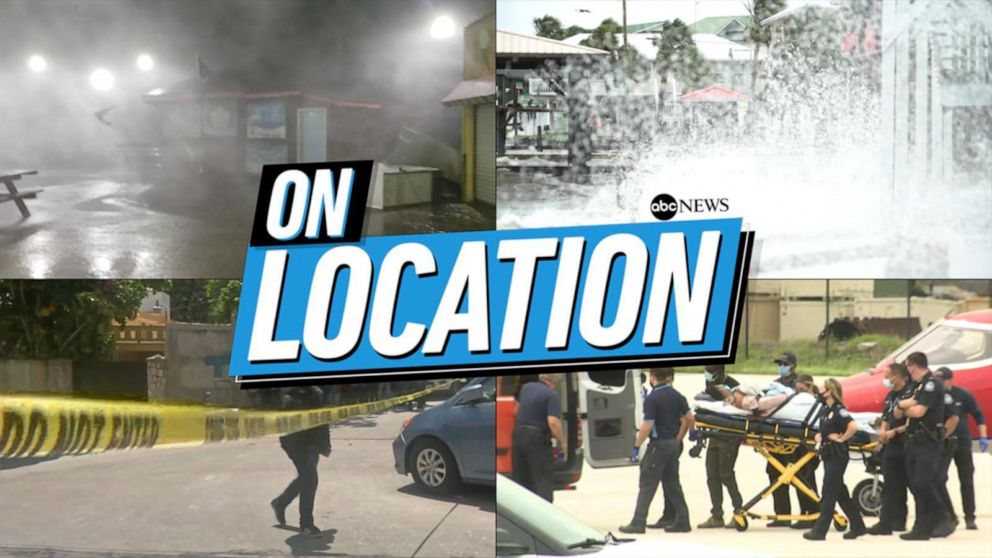 A North Carolina man whose venomous snake escaped from his home and terrorized a neighborhood for several days is facing multiple misdemeanor charges A North Carolina man whose venomous snake escaped from his home and terrorized a neighborhood for several days is facing multiple misdemeanor charges | |
Submitted at 07-08-2021, 03:46 PM by Spöklika | |
/https://www.thestar.com/content/dam/thestar/news/world/2021/07/07/what-lies-ahead-for-haiti-after-the-assassination-of-president-jovenel-mose/_1jovenel_moise.jpg) A breakdown of what’s happening in the country, and where Canada fits in. A breakdown of what’s happening in the country, and where Canada fits in. | |
Submitted at 07-08-2021, 03:53 PM by sleeppoor | |
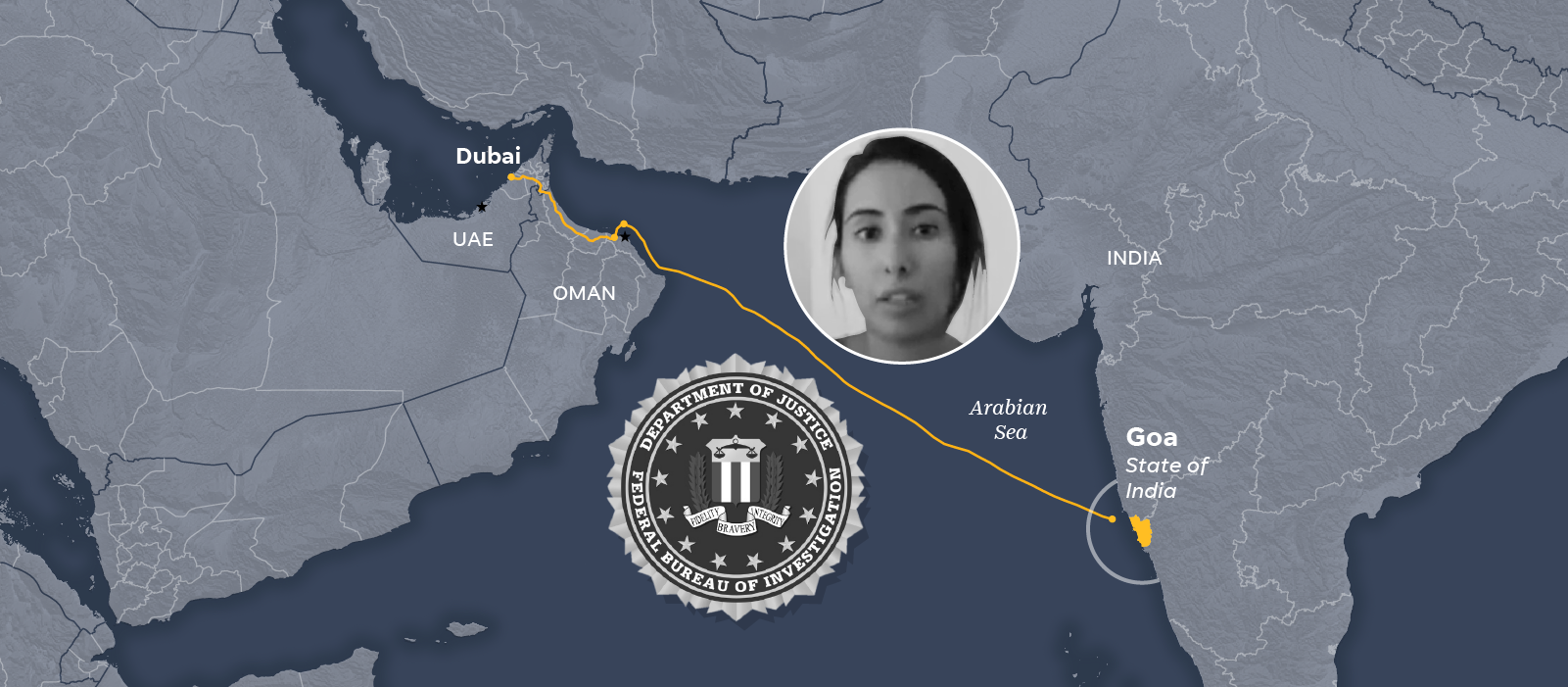 Latifa bint Mohammed al-Maktoum's escape plan was dashed in 2018, but how her father found her was a mystery. USA TODAY finds the FBI helped. Latifa bint Mohammed al-Maktoum's escape plan was dashed in 2018, but how her father found her was a mystery. USA TODAY finds the FBI helped. | |
Submitted at 07-08-2021, 03:51 PM by sleeppoor | |
 The climate crisis haunts Chicago’s future as a warming world pushes Lake Michigan toward new extremes — higher highs, lower lows, greater uncertainty. The climate crisis haunts Chicago’s future as a warming world pushes Lake Michigan toward new extremes — higher highs, lower lows, greater uncertainty. | |
Submitted at 07-08-2021, 03:41 PM by sleeppoor | |
 Since I first read Kristen Roupenian’s viral story, I’ve wondered: How did she know about me? Since I first read Kristen Roupenian’s viral story, I’ve wondered: How did she know about me? | |
Submitted at 07-08-2021, 02:46 PM by Xiphias | |
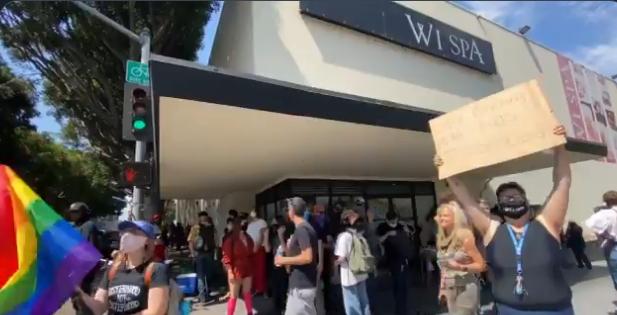 LOS ANGELES – On June 24th, Instagram user “cubaangel” posted a video of herself angrily confronting a staff member at the Wi Spa in Los Angeles, accusing them of letting a disrobed transgender person into the women’s section of the business.
There is increasing doubt among law enforcement and staff at the Wi Spa whether there was ever was a transgender person there to begin with. Anonymous sources within the LAPD tell the Blade they have been unable to find any corroborating evidence that there was a transgender person present on that day.
Similarly, a source at the Spa told the Blade there’s no record of any of its usual transgender clients on its appointments guest list on the day in question. Treatment at the Spa is by appointment only, and most of its transgender clients are well known to the staff. LOS ANGELES – On June 24th, Instagram user “cubaangel” posted a video of herself angrily confronting a staff member at the Wi Spa in Los Angeles, accusing them of letting a disrobed transgender person into the women’s section of the business.
There is increasing doubt among law enforcement and staff at the Wi Spa whether there was ever was a transgender person there to begin with. Anonymous sources within the LAPD tell the Blade they have been unable to find any corroborating evidence that there was a transgender person present on that day.
Similarly, a source at the Spa told the Blade there’s no record of any of its usual transgender clients on its appointments guest list on the day in question. Treatment at the Spa is by appointment only, and most of its transgender clients are well known to the staff. | |
Submitted at 07-08-2021, 02:43 PM by Forensic | |
/cloudfront-us-east-2.images.arcpublishing.com/reuters/7L7MVBYAR5MLZPXSWJGN675VL4.jpg) Clearing the area for the SOL. Clearing the area for the SOL. | |
Submitted at 07-08-2021, 02:00 PM by John Holmes Boxxyfucker | |
 It’s not coming home. It’s not coming home. | |
Submitted at 07-08-2021, 01:09 PM by John Holmes Boxxyfucker | |
Submitted at 07-08-2021, 10:32 AM by Grief Bacon | |
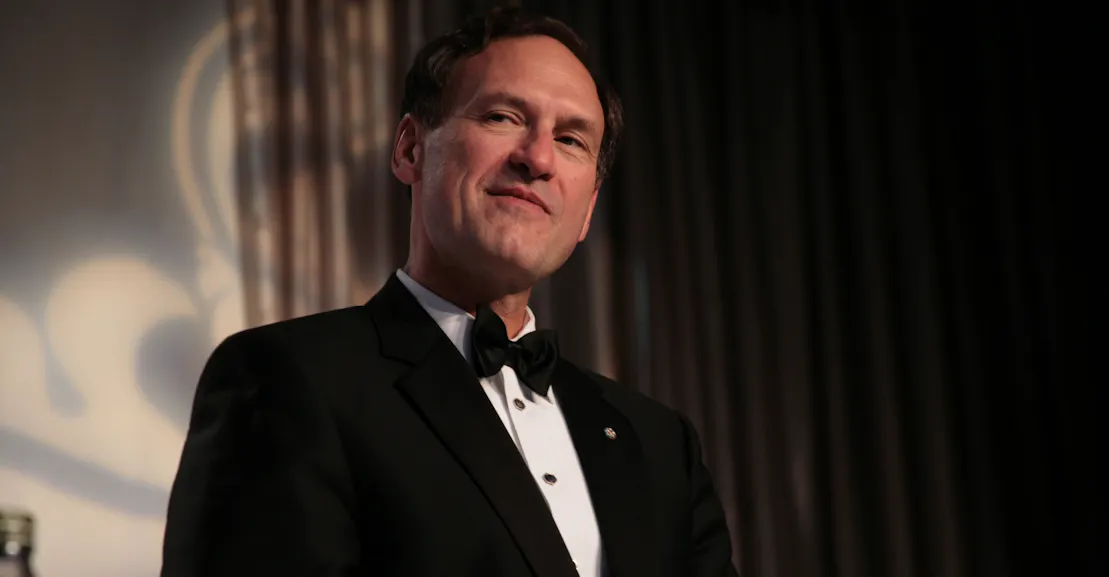 Fully unmoored from legal reasoning, the justice’s voting rights ruling is cynical and un-American. Fully unmoored from legal reasoning, the justice’s voting rights ruling is cynical and un-American. | |
Submitted at 07-08-2021, 03:01 AM by sleeppoor | |
 Among other things, we might simply not agree Among other things, we might simply not agree | |
Submitted at 07-08-2021, 12:20 AM by Spöklika | |
 This kind of elite’s wealth derives not from their salary - this is what separates them from even extremely prosperous members of the professional-managerial class, like doctors and lawyers - but from their ownership of assets. Those assets vary depending on where in the country we’re talking about; they could be a bunch of McDonald’s franchises in Jackson, Mississippi, a beef-processing plant in Lubbock, Texas, a construction company in Billings, Montana, commercial properties in Portland, Maine, or a car dealership in western North Carolina. Even the less prosperous parts of the United States generate enough surplus to produce a class of wealthy people. Depending on the political culture and institutions of a locality or region, this elite class might wield more or less political power. In some places, they have an effective stranglehold over what gets done; in others, they’re important but not all-powerful.
Wherever they live, their wealth and connections make them influential forces within local society. In the aggregate, through their political donations and positions within their localities and regions, they wield a great deal of political influence. They’re the local gentry of the United States. This kind of elite’s wealth derives not from their salary - this is what separates them from even extremely prosperous members of the professional-managerial class, like doctors and lawyers - but from their ownership of assets. Those assets vary depending on where in the country we’re talking about; they could be a bunch of McDonald’s franchises in Jackson, Mississippi, a beef-processing plant in Lubbock, Texas, a construction company in Billings, Montana, commercial properties in Portland, Maine, or a car dealership in western North Carolina. Even the less prosperous parts of the United States generate enough surplus to produce a class of wealthy people. Depending on the political culture and institutions of a locality or region, this elite class might wield more or less political power. In some places, they have an effective stranglehold over what gets done; in others, they’re important but not all-powerful.
Wherever they live, their wealth and connections make them influential forces within local society. In the aggregate, through their political donations and positions within their localities and regions, they wield a great deal of political influence. They’re the local gentry of the United States. | |
Submitted at 07-07-2021, 11:13 PM by crote | |
 When a sample of nearly 1,500 female Ivy League students was asked whether they would date a Trump supporter, only 6 percent said yes (after excluding the small minority of the sample who support him). So finds a survey of 20,000 university students that the Foundation for Individual Rights in Education (FIRE) conducted in 2020. While people are free to discriminate however they wish in dating, this attitude bleeds into problematic spheres such as hiring and social toleration.
This reveals the predilection among many young elite Americans for progressive authoritarianism, a belief system that justifies infringing rights to equal treatment or free speech in the name of the emotional “safety” of historically marginalized race, gender, and sexuality groups. In this left-modernist worldview, conservatives’ resistance to racial, gender, and sexual progressivism mark them as moral deviants. As Millennials take power, this generational earthquake is set to shake the foundations of the cultural elite to its core, leading to pervasive discrimination against, and censorship of, conservative views. When a sample of nearly 1,500 female Ivy League students was asked whether they would date a Trump supporter, only 6 percent said yes (after excluding the small minority of the sample who support him). So finds a survey of 20,000 university students that the Foundation for Individual Rights in Education (FIRE) conducted in 2020. While people are free to discriminate however they wish in dating, this attitude bleeds into problematic spheres such as hiring and social toleration.
This reveals the predilection among many young elite Americans for progressive authoritarianism, a belief system that justifies infringing rights to equal treatment or free speech in the name of the emotional “safety” of historically marginalized race, gender, and sexuality groups. In this left-modernist worldview, conservatives’ resistance to racial, gender, and sexual progressivism mark them as moral deviants. As Millennials take power, this generational earthquake is set to shake the foundations of the cultural elite to its core, leading to pervasive discrimination against, and censorship of, conservative views. | |
Submitted at 07-07-2021, 07:36 PM by somedongus | |
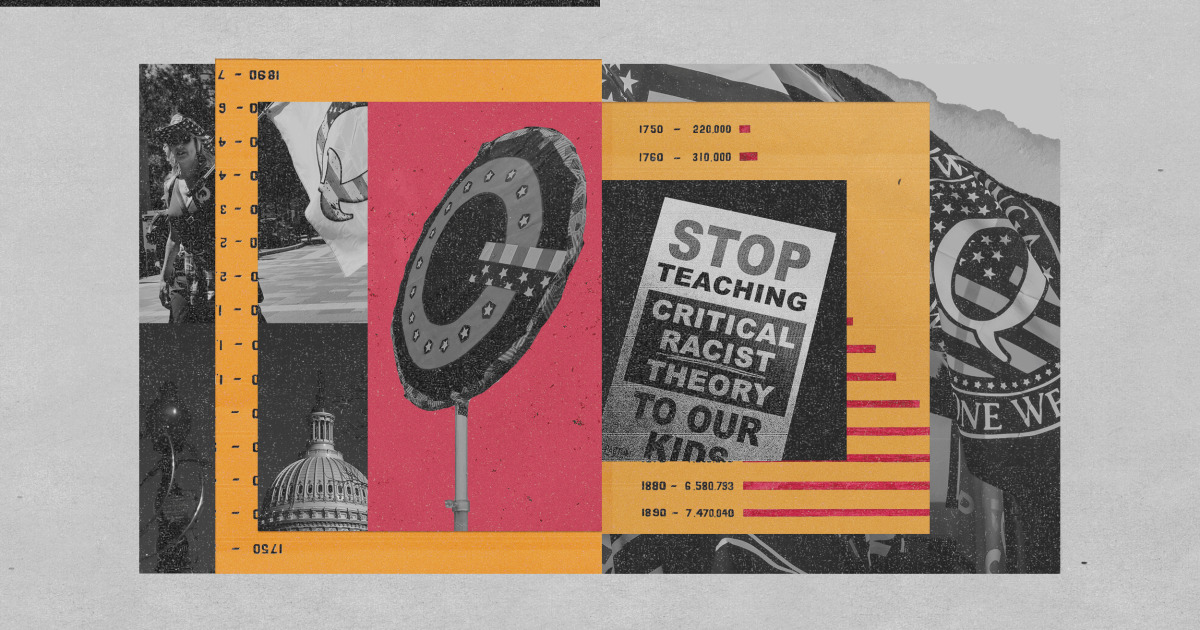 In the wake of Donald Trump's 2020 election defeat, many QAnon followers have hatched a plan: run for school board or local office, spread the gospel of Q, but don’t call it QAnon. In the wake of Donald Trump's 2020 election defeat, many QAnon followers have hatched a plan: run for school board or local office, spread the gospel of Q, but don’t call it QAnon. | |
Submitted at 07-07-2021, 06:51 PM by sleeppoor | |
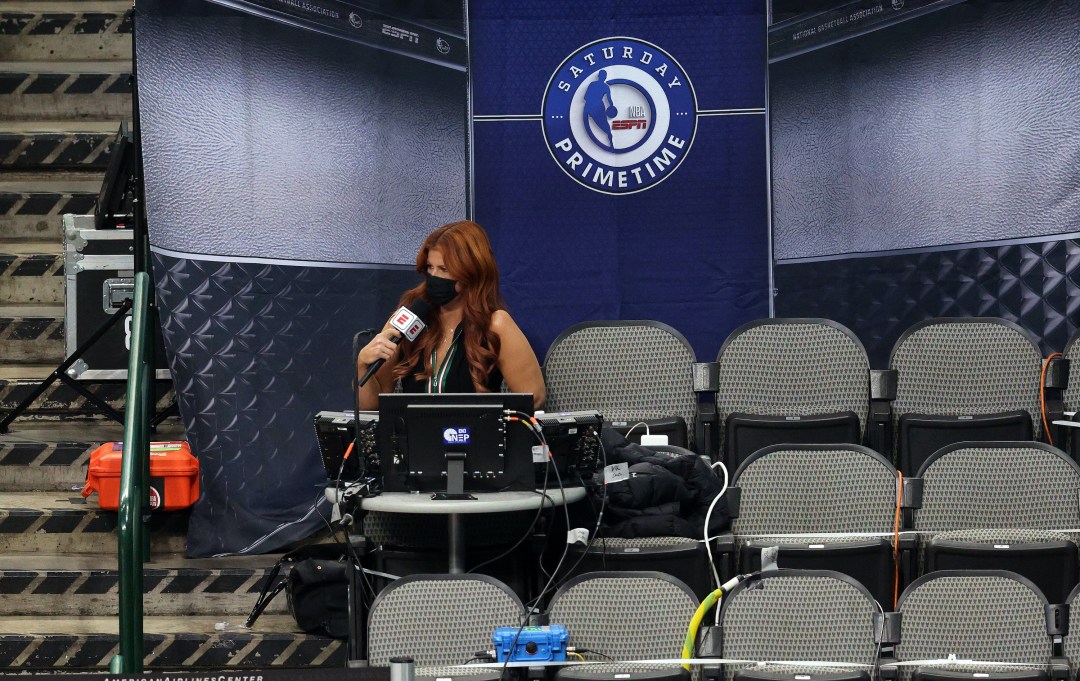 It’s impossible to get every scoop. Even Adrian Wojnarowski loses a few to the voracious yet perplexing mind of Shams Charania. Sometimes the source you need to solidify the story doesn’t want to speak to you, or they don’t want to speak at all, or they speak to a different reporter at a more established publication. It happens. There’s still some dignity to be salvaged when your lunch is eaten, but when faced with this scenario, the current version of Deadspin pretended it was inevitable that their lunch, sitting there all perfectly prepared and served up on a silver platter, was doomed to be eaten all along.
This past Sunday, Kevin Draper of the New York Times published a story on how last summer, during the NBA bubble season, ESPN broadcaster and reporter Rachel Nichols had been recorded talking shit about her coworker Maria Taylor. (Disclosure: Draper and I worked together at a previous version of Deadspin.) Draper obtained a 20-minute recording of a conversation between Nichols and Adam Mendelsohn, an adviser for LeBron James. In one of the two published snippets, Nichols reacted to learning that Taylor would be hosting the pregame and postgame coverage for the 2020 NBA Finals. Nichols believed it was an attempt by ESPN to compensate for recurring complaints of fewer career advancement opportunities for its black employees.
It’s rare to hear ESPN talent as well as a person in LeBron’s camp speaking candidly. Mendelsohn, who helped James form the organization More Than A Vote to fight voter suppression and engage more black voters for the 2020 election, said at one point, “I don’t know. I’m exhausted. Between Me Too and Black Lives Matter, I got nothing left,” which made Nichols laugh. This was the level of unfiltered, honest conversation we were supposed to get from The Shop. (Mendelsohn has since apologized for saying he was exhausted by worldwide movements that keep him employed by LeBron.) The key part, the portion that likely caused ESPN to replace Nichols with Malika Andrews as NBA Finals sideline reporter on Tuesday, was this:
“I wish Maria Taylor all the success in the world — she covers football, she covers basketball,” Nichols said in July 2020. “If you need to give her more things to do because you are feeling pressure about your crappy longtime record on diversity — which, by the way, I know personally from the female side of it — like, go for it. Just find it somewhere else. You are not going to find it from me or taking my thing away.”
New York Times
Nichols was correct about ESPN’s shoddy record on diversity: That same month, Draper had published a story on the scarce executive-level opportunities for black employees at the company. The article included an anecdote about Taylor feeling dismissed on a conference call. Where Nichols drew the ire of her black colleagues, as Draper reported, was by thinking that diversity shouldn’t come at the expense of her own opportunities. She’s an ally who realizes how important these conversations are; just have them elsewhere. The possibility that Taylor, who has experience hosting pregame and postgame coverage, could have earned the job solely on merit didn’t seem to cross Nichols’s mind.
Nichols spoke with Mendelsohn while she was following COVID-19 restrictions and working out of her room at Disney’s Coronado Springs Resort in Orlando. The leaked video had been uploaded to ESPN’s servers through the camera she was using for her broadcasting duties. The past year flattened the distinction between work and home for many people, but in her response to the Times, Nichols chose to present these facts in a more sinister way:
“I was shaken that a fellow employee would do this, and that other employees, including some of those within the N.B.A. project, had no remorse about passing around a spy video of a female co-worker alone in her hotel room,” she said, adding, “I would in no way suggest that the way the comments came to light should grant a free pass on them being hurtful to other people.”
New York Times
From the information available, this framing is cynical and dubious. Coincidentally, last summer the current version of Deadspin took a similar tack, publishing a report with the headline “ESPN Creep Used ‘The Jump’ Video Feed To Secretly Record Rachel Nichols in Her Hotel Room — Video Got Sent to Us.” The article had a four-person byline: G/O Media editorial director Jim Rich, editor-in-chief Eric Barrow, and senior writers Carron J. Phillips and Julie DiCaro. At the time, they did not publish the video that got sent to them, but they did choose to immediately trash the tipster.
The ethics of burning an anonymous source are widely debated. It’s not off the table if the source is deliberately giving false information, but that wasn’t the case here. Here’s an excerpt of the Deadspin article from July 15, 2020:
Nichols (whose face never appears on camera) and the other party to the call discuss Nichols’ career, ESPN staff, and the World Wide Leader’s decision about who will host the network’s coverage of the NBA Finals. In light of privacy concerns and our being unable to view the entirety of the conversation recorded, we have chosen not to detail the conversation or post the video of the call. Sources have told Deadspin that the entire video of Nichols’ conversation was 30 minutes long. Deadspin received about four minutes of edited footage. It is also worth noting that the videos were sent to Deadspin as an attempt to discredit Nichols’ job status within ESPN, and with the public at large, with the anonymous source texting our reporter that the videos would “expose” Nichols as a “back-stabber” and a phony ally.
Nothing in the videos Deadspin viewed show Nichols saying anything that could be construed as either a back-stabber or phony ally. Historically, casting successful women as conniving backstabbers has been a tried and true method of encouraging public condemnation of them. (See, e.g., Clinton, Hillary, and Warren, Elizabeth). You love to see the classics trotted out.
Whatever their motivations, the “ESPN Creep” turned out to be broadly correct in how they framed those clips. Whether or not the tipster worked for ESPN, they reached out hoping someone would shine a light on a fully justifiable, obviously newsworthy story, and instead got smeared for it.
At first, you could assume good faith and wonder if the four minutes of footage received by the current version of Deadspin had been different from the 20 minutes acquired by the Times. Maybe they weren’t sent the part where Nichols questioned Taylor’s capabilities. Except they fucking were! Any plausible deniability vanished on Monday when Phillips published a follow-up article with the headline “Rachel Nichols’ comments about Maria Taylor are latest example of how ESPN screws over its Black employees.” It’s unclear why this duty fell to him instead of Rich or Barrow, who as editorial leadership really should have been the ones to eat the most shit. If they weren’t going to answer for why they slapped together a story in 30 hours and showed no interest in what was originally a juicy tip, they should’ve at least prevented Phillips from admitting that he had the money quote in its entirety a year ago and did not publish it.
In this week’s post, Phillips published the four minutes of video he had received, which included the crucial portion where Nichols talked shit about Taylor. He revealed that the current version of Deadspin had done a whopping one day of reporting before they decided there was nothing to see here, aside from an “ESPN Creep.” Here’s what Phillips wrote on July 5, 2021:
That quote is from the Times story. But, it’s also part of the audio that I received. So while I had background on what I thought might be going on, I didn’t have any actual proof. But, let me be clear. Nichols names Taylor in the clip and was mad about her getting a hosting job that she wanted. In the clip, Nichols is “venting.” But while the information I was given by the “source” was some potential context to what was going on in the video, there was so much more that I didn’t have access to. I knew Nichols was being shady — I just didn’t know how shady it got, as I only had access to only a small portion of a longer conversation.
After watching the same video that Phillips had almost a year ago, I am trying and failing to determine his distinction between background and actual proof. He and his editors watched this video, listened to Rachel Nichols talk shit about Maria Taylor—not publishing at all would have been an understandable decision, but they instead chose to rush a premise that turned out to be entirely incorrect even in the original context—and then a year later pretended they had known this all along, and would perhaps follow up. They didn’t. Draper got it all.
This is not a case of getting beaten to the story by a reporter with better access. Rich and Barrow had a lead that any outlet would’ve killed for, and seemingly showed no interest in digging into it past a 24-hour window. How do they defend that? They haven’t so far, with the two editors maintaining radio silence and letting their writers twist in the wind.
DiCaro and Jane McManus attempted their own postmortem on today’s episode of their podcast The Ladies’ Room, with Phillips as a guest. And the more background they provide on the reporting process of this story, the less it helps their case. Around the 10-minute mark, DiCaro reveals how her sources reacted to the original blog:
Looking back on it, I wish that we had waited. I wish that we had maybe done a little more investigation, but I don’t know that that would have gotten us anywhere, because I chased this story. I don’t think I’ve said this publicly, but the day after that story aired, I got a bunch of phone calls from women at ESPN, and from women outside ESPN, who thought that we made Rachel Nichols look like a victim, and they disagreed that that was the case. So I tried to get people—we talk on background, we talk off the record—no one was willing to say anything. And you know, eventually you chase stories around, and at some point you have to let them go. And that was one I let go, and maybe I did that too soon.
“Were we played? Did we get Manti Teo’d?” Phillips wrote on Monday. “I don’t know.” Ideally his editors at the current version of Deadspin could help him figure out the answer, or advise him not to openly ask such an insipid question. It would be their first competent action at the site.
Disclosure: 19 editorial employees at Defector worked at a previous version of Deadspin.
Samer Kalaf
Managing editor of Defector. It’s impossible to get every scoop. Even Adrian Wojnarowski loses a few to the voracious yet perplexing mind of Shams Charania. Sometimes the source you need to solidify the story doesn’t want to speak to you, or they don’t want to speak at all, or they speak to a different reporter at a more established publication. It happens. There’s still some dignity to be salvaged when your lunch is eaten, but when faced with this scenario, the current version of Deadspin pretended it was inevitable that their lunch, sitting there all perfectly prepared and served up on a silver platter, was doomed to be eaten all along.
This past Sunday, Kevin Draper of the New York Times published a story on how last summer, during the NBA bubble season, ESPN broadcaster and reporter Rachel Nichols had been recorded talking shit about her coworker Maria Taylor. (Disclosure: Draper and I worked together at a previous version of Deadspin.) Draper obtained a 20-minute recording of a conversation between Nichols and Adam Mendelsohn, an adviser for LeBron James. In one of the two published snippets, Nichols reacted to learning that Taylor would be hosting the pregame and postgame coverage for the 2020 NBA Finals. Nichols believed it was an attempt by ESPN to compensate for recurring complaints of fewer career advancement opportunities for its black employees.
It’s rare to hear ESPN talent as well as a person in LeBron’s camp speaking candidly. Mendelsohn, who helped James form the organization More Than A Vote to fight voter suppression and engage more black voters for the 2020 election, said at one point, “I don’t know. I’m exhausted. Between Me Too and Black Lives Matter, I got nothing left,” which made Nichols laugh. This was the level of unfiltered, honest conversation we were supposed to get from The Shop. (Mendelsohn has since apologized for saying he was exhausted by worldwide movements that keep him employed by LeBron.) The key part, the portion that likely caused ESPN to replace Nichols with Malika Andrews as NBA Finals sideline reporter on Tuesday, was this:
“I wish Maria Taylor all the success in the world — she covers football, she covers basketball,” Nichols said in July 2020. “If you need to give her more things to do because you are feeling pressure about your crappy longtime record on diversity — which, by the way, I know personally from the female side of it — like, go for it. Just find it somewhere else. You are not going to find it from me or taking my thing away.”
New York Times
Nichols was correct about ESPN’s shoddy record on diversity: That same month, Draper had published a story on the scarce executive-level opportunities for black employees at the company. The article included an anecdote about Taylor feeling dismissed on a conference call. Where Nichols drew the ire of her black colleagues, as Draper reported, was by thinking that diversity shouldn’t come at the expense of her own opportunities. She’s an ally who realizes how important these conversations are; just have them elsewhere. The possibility that Taylor, who has experience hosting pregame and postgame coverage, could have earned the job solely on merit didn’t seem to cross Nichols’s mind.
Nichols spoke with Mendelsohn while she was following COVID-19 restrictions and working out of her room at Disney’s Coronado Springs Resort in Orlando. The leaked video had been uploaded to ESPN’s servers through the camera she was using for her broadcasting duties. The past year flattened the distinction between work and home for many people, but in her response to the Times, Nichols chose to present these facts in a more sinister way:
“I was shaken that a fellow employee would do this, and that other employees, including some of those within the N.B.A. project, had no remorse about passing around a spy video of a female co-worker alone in her hotel room,” she said, adding, “I would in no way suggest that the way the comments came to light should grant a free pass on them being hurtful to other people.”
New York Times
From the information available, this framing is cynical and dubious. Coincidentally, last summer the current version of Deadspin took a similar tack, publishing a report with the headline “ESPN Creep Used ‘The Jump’ Video Feed To Secretly Record Rachel Nichols in Her Hotel Room — Video Got Sent to Us.” The article had a four-person byline: G/O Media editorial director Jim Rich, editor-in-chief Eric Barrow, and senior writers Carron J. Phillips and Julie DiCaro. At the time, they did not publish the video that got sent to them, but they did choose to immediately trash the tipster.
The ethics of burning an anonymous source are widely debated. It’s not off the table if the source is deliberately giving false information, but that wasn’t the case here. Here’s an excerpt of the Deadspin article from July 15, 2020:
Nichols (whose face never appears on camera) and the other party to the call discuss Nichols’ career, ESPN staff, and the World Wide Leader’s decision about who will host the network’s coverage of the NBA Finals. In light of privacy concerns and our being unable to view the entirety of the conversation recorded, we have chosen not to detail the conversation or post the video of the call. Sources have told Deadspin that the entire video of Nichols’ conversation was 30 minutes long. Deadspin received about four minutes of edited footage. It is also worth noting that the videos were sent to Deadspin as an attempt to discredit Nichols’ job status within ESPN, and with the public at large, with the anonymous source texting our reporter that the videos would “expose” Nichols as a “back-stabber” and a phony ally.
Nothing in the videos Deadspin viewed show Nichols saying anything that could be construed as either a back-stabber or phony ally. Historically, casting successful women as conniving backstabbers has been a tried and true method of encouraging public condemnation of them. (See, e.g., Clinton, Hillary, and Warren, Elizabeth). You love to see the classics trotted out.
Whatever their motivations, the “ESPN Creep” turned out to be broadly correct in how they framed those clips. Whether or not the tipster worked for ESPN, they reached out hoping someone would shine a light on a fully justifiable, obviously newsworthy story, and instead got smeared for it.
At first, you could assume good faith and wonder if the four minutes of footage received by the current version of Deadspin had been different from the 20 minutes acquired by the Times. Maybe they weren’t sent the part where Nichols questioned Taylor’s capabilities. Except they fucking were! Any plausible deniability vanished on Monday when Phillips published a follow-up article with the headline “Rachel Nichols’ comments about Maria Taylor are latest example of how ESPN screws over its Black employees.” It’s unclear why this duty fell to him instead of Rich or Barrow, who as editorial leadership really should have been the ones to eat the most shit. If they weren’t going to answer for why they slapped together a story in 30 hours and showed no interest in what was originally a juicy tip, they should’ve at least prevented Phillips from admitting that he had the money quote in its entirety a year ago and did not publish it.
In this week’s post, Phillips published the four minutes of video he had received, which included the crucial portion where Nichols talked shit about Taylor. He revealed that the current version of Deadspin had done a whopping one day of reporting before they decided there was nothing to see here, aside from an “ESPN Creep.” Here’s what Phillips wrote on July 5, 2021:
That quote is from the Times story. But, it’s also part of the audio that I received. So while I had background on what I thought might be going on, I didn’t have any actual proof. But, let me be clear. Nichols names Taylor in the clip and was mad about her getting a hosting job that she wanted. In the clip, Nichols is “venting.” But while the information I was given by the “source” was some potential context to what was going on in the video, there was so much more that I didn’t have access to. I knew Nichols was being shady — I just didn’t know how shady it got, as I only had access to only a small portion of a longer conversation.
After watching the same video that Phillips had almost a year ago, I am trying and failing to determine his distinction between background and actual proof. He and his editors watched this video, listened to Rachel Nichols talk shit about Maria Taylor—not publishing at all would have been an understandable decision, but they instead chose to rush a premise that turned out to be entirely incorrect even in the original context—and then a year later pretended they had known this all along, and would perhaps follow up. They didn’t. Draper got it all.
This is not a case of getting beaten to the story by a reporter with better access. Rich and Barrow had a lead that any outlet would’ve killed for, and seemingly showed no interest in digging into it past a 24-hour window. How do they defend that? They haven’t so far, with the two editors maintaining radio silence and letting their writers twist in the wind.
DiCaro and Jane McManus attempted their own postmortem on today’s episode of their podcast The Ladies’ Room, with Phillips as a guest. And the more background they provide on the reporting process of this story, the less it helps their case. Around the 10-minute mark, DiCaro reveals how her sources reacted to the original blog:
Looking back on it, I wish that we had waited. I wish that we had maybe done a little more investigation, but I don’t know that that would have gotten us anywhere, because I chased this story. I don’t think I’ve said this publicly, but the day after that story aired, I got a bunch of phone calls from women at ESPN, and from women outside ESPN, who thought that we made Rachel Nichols look like a victim, and they disagreed that that was the case. So I tried to get people—we talk on background, we talk off the record—no one was willing to say anything. And you know, eventually you chase stories around, and at some point you have to let them go. And that was one I let go, and maybe I did that too soon.
“Were we played? Did we get Manti Teo’d?” Phillips wrote on Monday. “I don’t know.” Ideally his editors at the current version of Deadspin could help him figure out the answer, or advise him not to openly ask such an insipid question. It would be their first competent action at the site.
Disclosure: 19 editorial employees at Defector worked at a previous version of Deadspin.
Samer Kalaf
Managing editor of Defector. | |
Submitted at 07-07-2021, 06:12 PM by somedongus | |
 On the videos, someone with an American accent is heard yelling in English over a megaphone, “DEA operation. Everybody stand down. DEA operation. Everybody back up, stand down.”
Sources told the Miami Herald that the assailants, one of whom spoke in English with an American accent, were not with the DEA.
“These were mercenaries,” a high-ranking Haitian government official said.
Biden Administration officials denied DEA involvement. On the videos, someone with an American accent is heard yelling in English over a megaphone, “DEA operation. Everybody stand down. DEA operation. Everybody back up, stand down.”
Sources told the Miami Herald that the assailants, one of whom spoke in English with an American accent, were not with the DEA.
“These were mercenaries,” a high-ranking Haitian government official said.
Biden Administration officials denied DEA involvement. | |
Submitted at 07-07-2021, 05:46 PM by Xiphias | |