

| News | |||||||||||||||||||||||||||||||||||||||||||||||||||||||||||||||||||||||||||||||||||||||||||||||||||||||||||||||||||||||||||||||||||||||||||||||||||||||||||||||
/cloudfront-us-east-2.images.arcpublishing.com/reuters/ZOCGEUCDPRKOHDPGN2X23KWU7U.jpg) The U.S. Federal Communications Commission (FCC) voted 4-0 Thursday on to adopt new rules to address growing risks of orbital debris to space exploration by shrinking the time to remove defunct satellites. The U.S. Federal Communications Commission (FCC) voted 4-0 Thursday on to adopt new rules to address growing risks of orbital debris to space exploration by shrinking the time to remove defunct satellites. | |
Submitted at 10-02-2022, 01:51 AM by sleeppoor | |
2 Comments | |
 After the match between Arema FC and Persebaya Surabaya had ended, supporters from the losing team invaded the pitch and police fired tear gas, triggering a stampede and cases of suffocation. After the match between Arema FC and Persebaya Surabaya had ended, supporters from the losing team invaded the pitch and police fired tear gas, triggering a stampede and cases of suffocation. | |
Submitted at 10-02-2022, 01:32 AM by sleeppoor | |
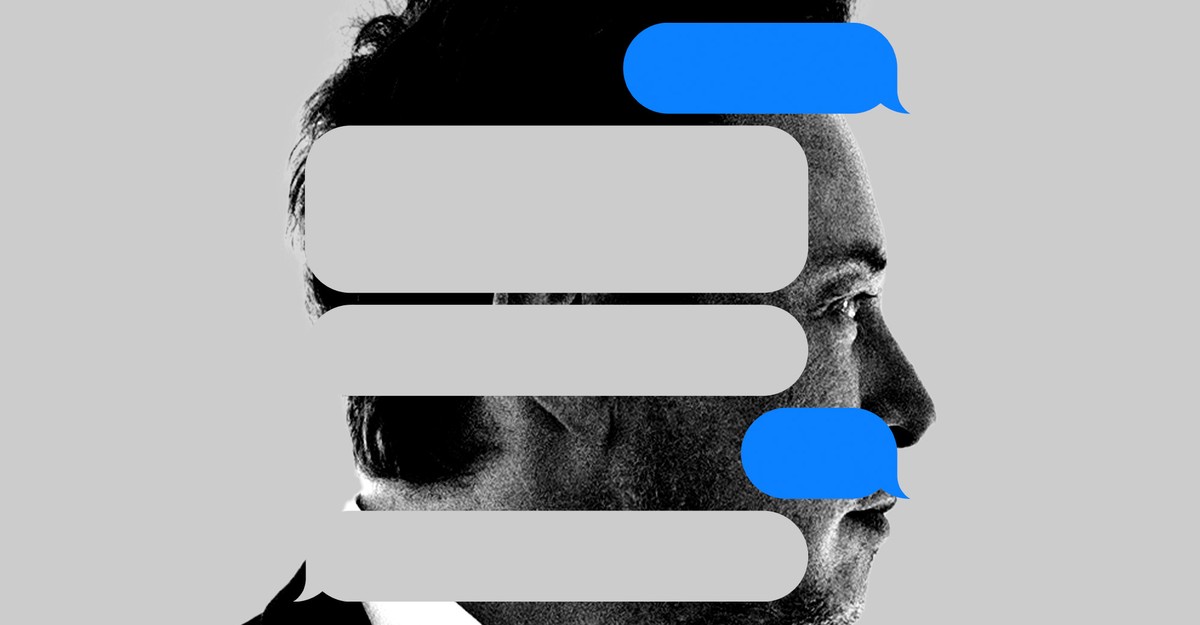 Yesterday, the world got a look inside Elon Musk’s phone. The Tesla and SpaceX CEO is currently in litigation with Twitter and trying to back out of his deal to buy the platform and take it private. As part of the discovery process related to this lawsuit, Delaware’s Court of Chancery released hundreds of text messages and emails sent to and from Musk. The 151-page redacted document is a remarkable, voyeuristic record of a few months in the life of the world’s richest (and most overexposed) man and a rare unvarnished glimpse into the overlapping worlds of Silicon Valley, media, and politics. The texts are juicy, but not because they are lurid, particularly offensive, or offer up some scandalous Muskian master plan—quite the opposite. What is so illuminating about the Musk messages is just how unimpressive, unimaginative, and sycophantic the powerful men in Musk’s contacts appear to be. Whoever said there are no bad ideas in brainstorming never had access to Elon Musk’s phone.
In no time, the texts were the central subject of discussion among tech workers and watchers. “The dominant reaction from all the threads I’m in is Everyone looks fucking dumb,” one former social-media executive, whom I’ve granted anonymity because they have relationships with many of the people in Musk’s texts, told me. “It’s been a general Is this really how business is done? There’s no real strategic thought or analysis. It’s just emotional and done without any real care for consequence.” Yesterday, the world got a look inside Elon Musk’s phone. The Tesla and SpaceX CEO is currently in litigation with Twitter and trying to back out of his deal to buy the platform and take it private. As part of the discovery process related to this lawsuit, Delaware’s Court of Chancery released hundreds of text messages and emails sent to and from Musk. The 151-page redacted document is a remarkable, voyeuristic record of a few months in the life of the world’s richest (and most overexposed) man and a rare unvarnished glimpse into the overlapping worlds of Silicon Valley, media, and politics. The texts are juicy, but not because they are lurid, particularly offensive, or offer up some scandalous Muskian master plan—quite the opposite. What is so illuminating about the Musk messages is just how unimpressive, unimaginative, and sycophantic the powerful men in Musk’s contacts appear to be. Whoever said there are no bad ideas in brainstorming never had access to Elon Musk’s phone.
In no time, the texts were the central subject of discussion among tech workers and watchers. “The dominant reaction from all the threads I’m in is Everyone looks fucking dumb,” one former social-media executive, whom I’ve granted anonymity because they have relationships with many of the people in Musk’s texts, told me. “It’s been a general Is this really how business is done? There’s no real strategic thought or analysis. It’s just emotional and done without any real care for consequence.” | |
Submitted at 10-02-2022, 01:21 AM by Forensic | |
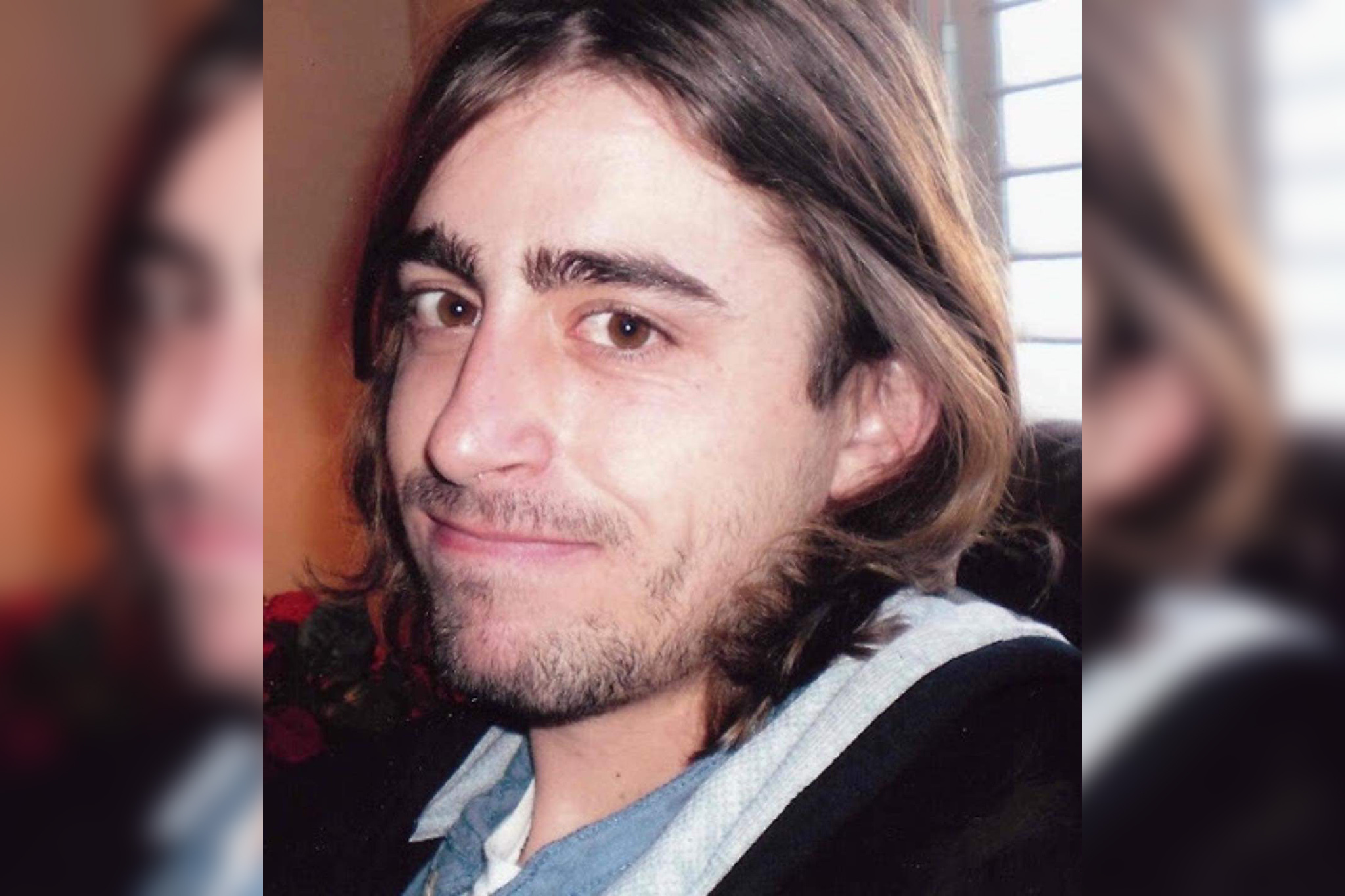 The Kalalau Trail is considered a dangerous trail, located in the Napali Coast State Wilderness Park of Kauai. Most people know this trail for the first 2 miles to Hanakapiai Beach, but permitted backpackers can go the full 11 miles to Kalalau Beach at the end, where camping is allowed.
Set among a coastline of steep cliffs, valleys and streams, the Kalalau Trail requires the most rescues on Kauai. Aside from the usual risks that come with hiking, rain on this coastline can cause the many streams in the area to flash flood. Kauai’s red clay dirt can crumble when dry and be extremely slippery when wet. Strong ocean currents can pull swimmers out to sea.
Deaths on the trail happen often enough that a sign posted at Hanakapiai Stream tallies its victims — close to 100 the last time I visited. This doesn’t include deaths at other streams and beaches, those from falling rocks or falls from great heights.
Still, the trail’s wild and remote beauty attracts day hikers, backpackers, free spirits and illegal campers, who stay for extended periods. About 500,000 visitors and residents ventured out on the trail in 2015, according to the Hawaii Department of Land and Natural Resources. The Kalalau Trail is considered a dangerous trail, located in the Napali Coast State Wilderness Park of Kauai. Most people know this trail for the first 2 miles to Hanakapiai Beach, but permitted backpackers can go the full 11 miles to Kalalau Beach at the end, where camping is allowed.
Set among a coastline of steep cliffs, valleys and streams, the Kalalau Trail requires the most rescues on Kauai. Aside from the usual risks that come with hiking, rain on this coastline can cause the many streams in the area to flash flood. Kauai’s red clay dirt can crumble when dry and be extremely slippery when wet. Strong ocean currents can pull swimmers out to sea.
Deaths on the trail happen often enough that a sign posted at Hanakapiai Stream tallies its victims — close to 100 the last time I visited. This doesn’t include deaths at other streams and beaches, those from falling rocks or falls from great heights.
Still, the trail’s wild and remote beauty attracts day hikers, backpackers, free spirits and illegal campers, who stay for extended periods. About 500,000 visitors and residents ventured out on the trail in 2015, according to the Hawaii Department of Land and Natural Resources. | |
Submitted at 10-02-2022, 12:25 AM by sleeppoor | |
 The average student at San Francisco State University probably doesn’t even know it’s there.
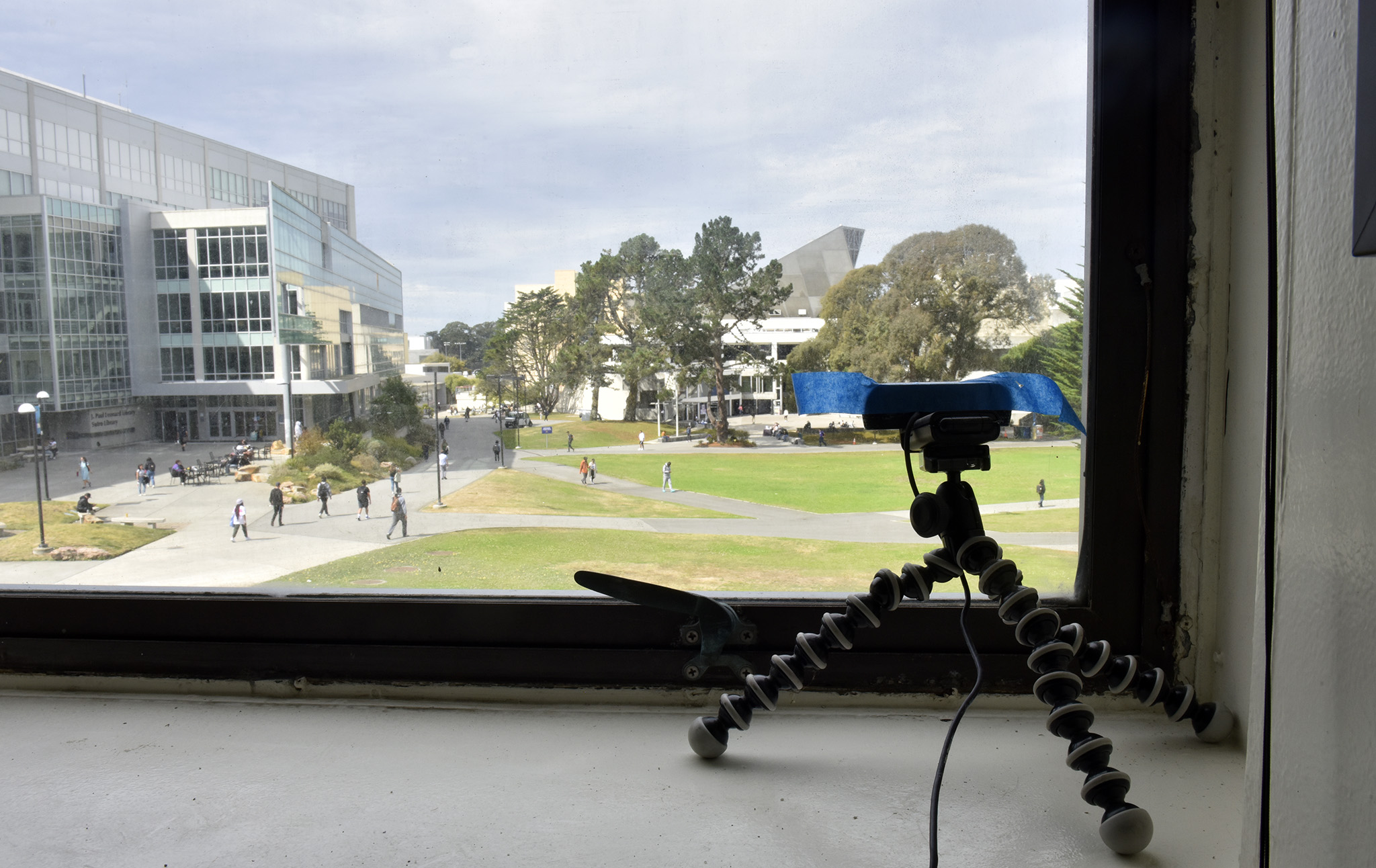
But on a recent Tuesday morning on campus, as throngs of them dart off to their next class or settle onto the grassy quad to enjoy their lunch, the presence looms over them — a relic of bygone technology no more than a few inches tall and held up by a couple of pieces of blue gaffer tape.
Almost instinctively, Andrew Roderick stops in his tracks to look up at it.
“There it is,” the associate vice president of the university’s academic technology department says. “In the window just up there.”
His colleague, communications coordinator Robyn Ollodort, excitedly rummages through her pocket to pull out her iPhone, then shows me the screen displaying a website that hasn’t changed much since it was launched nearly three decades ago. “The San Francisco FogCam!” it reads in red italicized letters. “The world’s oldest webcam. Live San Francisco views since 1994.” Beneath it is a grainy photograph that reminds me of a home video recorded on a VHS tape; a surreal, bird’s-eye view of where we’re standing, just to the right of the Cesar Chavez Student Center. The average student at San Francisco State University probably doesn’t even know it’s there.
But on a recent Tuesday morning on campus, as throngs of them dart off to their next class or settle onto the grassy quad to enjoy their lunch, the presence looms over them — a relic of bygone technology no more than a few inches tall and held up by a couple of pieces of blue gaffer tape.
Almost instinctively, Andrew Roderick stops in his tracks to look up at it.
“There it is,” the associate vice president of the university’s academic technology department says. “In the window just up there.”
His colleague, communications coordinator Robyn Ollodort, excitedly rummages through her pocket to pull out her iPhone, then shows me the screen displaying a website that hasn’t changed much since it was launched nearly three decades ago. “The San Francisco FogCam!” it reads in red italicized letters. “The world’s oldest webcam. Live San Francisco views since 1994.” Beneath it is a grainy photograph that reminds me of a home video recorded on a VHS tape; a surreal, bird’s-eye view of where we’re standing, just to the right of the Cesar Chavez Student Center. | |
Submitted at 10-02-2022, 12:22 AM by sleeppoor | |
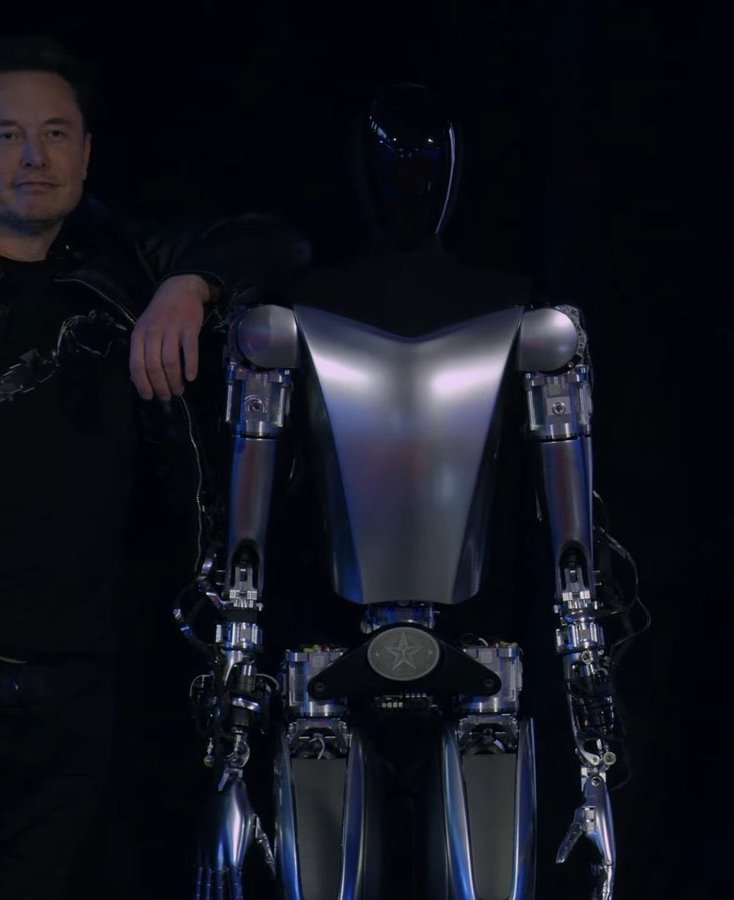 The Tesla boss spoke of "a future of abundance" ahead. The Tesla boss spoke of "a future of abundance" ahead. | |
Submitted at 10-01-2022, 05:57 PM by Nibbles | |
 Jones responded, “I went to that school. I pulled the gun out. I shot every one of myself. I mean, I’m guilty.” Later on, he repeats over and over again, “I killed them. I’ll admit it. I did it. I’m the bad guy…. I murdered those children. I did. I did it myself.” Jones responded, “I went to that school. I pulled the gun out. I shot every one of myself. I mean, I’m guilty.” Later on, he repeats over and over again, “I killed them. I’ll admit it. I did it. I’m the bad guy…. I murdered those children. I did. I did it myself.” | |
Submitted at 10-01-2022, 01:37 PM by droog | |
 After years of lobbying the state to increase regulations on autonomous vehicles, San Francisco officials are taking their case to the feds.
The directors of The City’s two main transportation agencies outlined their concerns about Cruise’s driverless cars in a letter to the National Highway Traffic Safety Administration regarding Cruise’s application to deploy a custom-built autonomous vehicle. In it, San Francisco Metropolitan Transportation Authority Director Jeffrey Tumlin and San Francisco County Transportation Authority Director Tilly Chang provide a comprehensive overview of disruptive and unsafe incidents that they say Cruise cars precipitated.
The letter, sent on Sept. 21, comes as Cruise’s driverless cars continue to stop in the middle of San Francisco’s streets for extended periods of time, often in groups, blocking traffic until they can be remotely restarted or manually retrieved by Cruise staff. Over the past week, there were at least four such incidents, including one that delayed a couple of KRON4 reporters. After years of lobbying the state to increase regulations on autonomous vehicles, San Francisco officials are taking their case to the feds.
The directors of The City’s two main transportation agencies outlined their concerns about Cruise’s driverless cars in a letter to the National Highway Traffic Safety Administration regarding Cruise’s application to deploy a custom-built autonomous vehicle. In it, San Francisco Metropolitan Transportation Authority Director Jeffrey Tumlin and San Francisco County Transportation Authority Director Tilly Chang provide a comprehensive overview of disruptive and unsafe incidents that they say Cruise cars precipitated.
The letter, sent on Sept. 21, comes as Cruise’s driverless cars continue to stop in the middle of San Francisco’s streets for extended periods of time, often in groups, blocking traffic until they can be remotely restarted or manually retrieved by Cruise staff. Over the past week, there were at least four such incidents, including one that delayed a couple of KRON4 reporters. | |
Submitted at 10-01-2022, 03:56 AM by sleeppoor | |
 Arthur Aslanian was a successful developer in the Valley. He is now accused of trying to have two people he owed money to killed.
Arthur Aslanian wasn’t taking any chances when he met his employee, Sesar Rivera, on the side of a road earlier this month.
Only after patting Rivera down to check if he was wearing a wire and making him leave his phone in Aslanian’s pickup truck did he look at the photograph Rivera had brought.
It was a gruesome image of a dead man who had been shot in the face.
The real estate developer studied the photo to make sure it was the proof he wanted. “That’s him, man, that’s him,” he said.
Rivera asked Aslanian what to do with the photo.
“F— shred it,” Aslanian responded.
Aslanian left the roadside meeting believing the photo confirmed that a plan he set in motion had succeeded, according to an account of the meeting provided by the U.S. attorney’s office. The man in the photo was a banker who had been fighting to recoup about $3 million Aslanian owed him. Instead of paying, prosecutors allege, Aslanian had hired an assassin.
Aslanian, however, had just been fooled. Arthur Aslanian was a successful developer in the Valley. He is now accused of trying to have two people he owed money to killed.
Arthur Aslanian wasn’t taking any chances when he met his employee, Sesar Rivera, on the side of a road earlier this month.
Only after patting Rivera down to check if he was wearing a wire and making him leave his phone in Aslanian’s pickup truck did he look at the photograph Rivera had brought.
It was a gruesome image of a dead man who had been shot in the face.
The real estate developer studied the photo to make sure it was the proof he wanted. “That’s him, man, that’s him,” he said.
Rivera asked Aslanian what to do with the photo.
“F— shred it,” Aslanian responded.
Aslanian left the roadside meeting believing the photo confirmed that a plan he set in motion had succeeded, according to an account of the meeting provided by the U.S. attorney’s office. The man in the photo was a banker who had been fighting to recoup about $3 million Aslanian owed him. Instead of paying, prosecutors allege, Aslanian had hired an assassin.
Aslanian, however, had just been fooled. | |
Submitted at 09-30-2022, 07:32 PM by sleeppoor | |
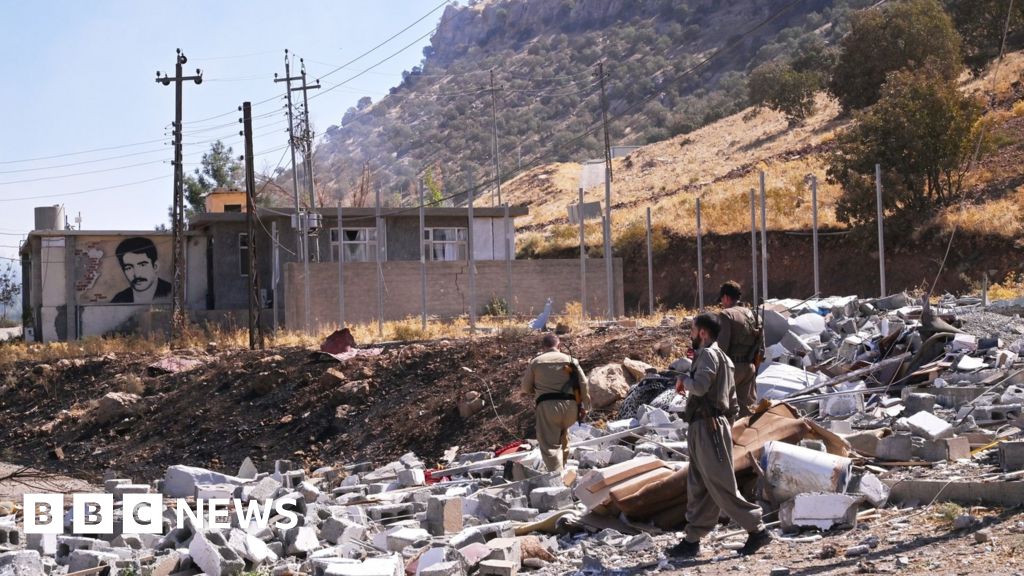 Iran says it fired missiles and drones at dissidents who it blames for protests sweeping the country. Iran says it fired missiles and drones at dissidents who it blames for protests sweeping the country. | |
Submitted at 09-30-2022, 07:21 PM by sleeppoor | |
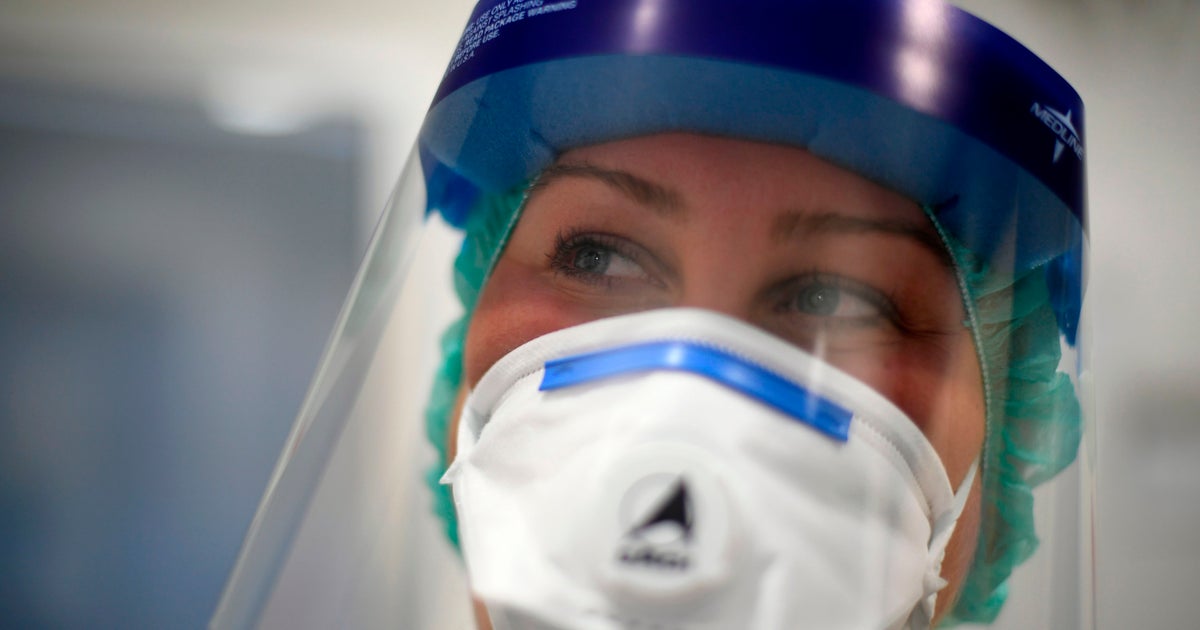 Outside of communities seeing "high" levels of COVID-19 transmission, the Centers for Disease Control and Prevention has ended a blanket plea for Americans in hospitals and nursing homes to wear masks indoors.
The change, one of many published Friday evening to the agency's guidance for COVID-19 infection control for healthcare workers, marks one of the final sets of revisions in a sweeping effort launched in August to overhaul the CDC's recommendations for the virus.
Since early in the pandemic, the agency had urged "everyone" to wear "source control" like well-fitting masks or respirators while in healthcare settings. Outside of communities seeing "high" levels of COVID-19 transmission, the Centers for Disease Control and Prevention has ended a blanket plea for Americans in hospitals and nursing homes to wear masks indoors.
The change, one of many published Friday evening to the agency's guidance for COVID-19 infection control for healthcare workers, marks one of the final sets of revisions in a sweeping effort launched in August to overhaul the CDC's recommendations for the virus.
Since early in the pandemic, the agency had urged "everyone" to wear "source control" like well-fitting masks or respirators while in healthcare settings. | |
Submitted at 09-30-2022, 07:02 PM by sleeppoor | |
 Gholamreza Hosseini got caught spying for the CIA in Iran. The story of how he was burned casts light on an epic U.S. intelligence failure.
Hosseini was the only one of the six men Reuters interviewed who said he was assigned the vulnerable messaging tool. But an analysis by two independent cybersecurity specialists found that the now-defunct covert online communication system that Hosseini used – located by Reuters in an internet archive – may have exposed at least 20 other Iranian spies and potentially hundreds of other informants operating in other countries around the world.
This messaging platform, which operated until 2013, was hidden within rudimentary news and hobby websites where spies could go to connect with the CIA. Reuters confirmed its existence with four former U.S. officials.
These failures continue to haunt the agency years later. In a series of internal cables last year, CIA leadership warned that it had lost most of its network of spies in Iran and that sloppy tradecraft continues to endanger the agency’s mission worldwide, the New York Times reported. Gholamreza Hosseini got caught spying for the CIA in Iran. The story of how he was burned casts light on an epic U.S. intelligence failure.
Hosseini was the only one of the six men Reuters interviewed who said he was assigned the vulnerable messaging tool. But an analysis by two independent cybersecurity specialists found that the now-defunct covert online communication system that Hosseini used – located by Reuters in an internet archive – may have exposed at least 20 other Iranian spies and potentially hundreds of other informants operating in other countries around the world.
This messaging platform, which operated until 2013, was hidden within rudimentary news and hobby websites where spies could go to connect with the CIA. Reuters confirmed its existence with four former U.S. officials.
These failures continue to haunt the agency years later. In a series of internal cables last year, CIA leadership warned that it had lost most of its network of spies in Iran and that sloppy tradecraft continues to endanger the agency’s mission worldwide, the New York Times reported. | |
Submitted at 09-30-2022, 06:15 PM by sleeppoor | |
 Arizona Republican governor candidate Kari Lake has made her support for law enforcement a centerpiece of her campaign—but her campaign also employs an interesting character: a convicted criminal who pleaded guilty to battery against a peace officer and who once plotted to kill an FBI informant.
The staffer, Kenneth Ulibarri, previously campaigned with Lake, Salon reported in February. But his official status with the campaign was not known until now. Ulibarri confirmed in a Tuesday phone call with The Daily Beast that the Lake campaign had hired him to manage its “Latino Engagement” efforts.
A man who answered at the phone number listed on Ulibarri’s official campaign ID badge said he was Kenneth Ulibarri and confirmed, only speaking in Spanish, that he handled Latino Engagement for the Lake campaign. They had hired him for that job “several months ago,” he said, then hung up.
While Ulibarri told The Daily Beast he didn’t speak English well, that isn’t true. He was featured at Lake’s first campaign rally last July, where he joked that his accent came from the land of his birth—“the liberal cesspool of New Mexico.”
He then denounced in that speech “liberal policies that are destroying our country,” including mask mandates, critical race theory, and a college education where kids “come back with purple hair and gay.”
“This country is headed down a dark path, and it’s up to us to stand up and get it on the right path,” Ulibarri told the crowd, invoking his story as a drug addict turned small business owner and youth advocate as a lesson in the power of religious redemption. Lake stands for “everything that I hold near and dear to my heart,” he said.
The Lake campaign did not reply to a request for comment.
The Salon report laid out Ulibarri’s violent criminal history, including targeting law enforcement, which The Daily Beast has independently confirmed through state and federal court records.
According to a superseding federal indictment, the Justice Department alleged in 2014 that Ulibarri had “attempted to kill” an FBI informant to stop the informant from testifying at a cocaine distribution and money laundering trial. Ulibarri later admitted in a plea agreement that he had in fact told an undercover FBI informant—while trying to sell him heroin—that Ulibarri knew that the first informant was working for the feds and that he and others “were hiring a hitman to kill” him, for $20,000.
Ulibarri claimed in his agreement that he had not been serious about the murder plot, but was only using it to try to get more money out of his supposed heroin client.
“In May 2014, I met with a confidential source (CHS1) to discuss selling heroin to CHS1. In those meetings, I told CHS1 that I and some others were hiring a hitman to kill another confidential source (CHS2) for $20,000,” Ulibarri wrote in his agreement, noting that “CHS2” was a “testifying cooperator” in the trial. Arizona Republican governor candidate Kari Lake has made her support for law enforcement a centerpiece of her campaign—but her campaign also employs an interesting character: a convicted criminal who pleaded guilty to battery against a peace officer and who once plotted to kill an FBI informant.
The staffer, Kenneth Ulibarri, previously campaigned with Lake, Salon reported in February. But his official status with the campaign was not known until now. Ulibarri confirmed in a Tuesday phone call with The Daily Beast that the Lake campaign had hired him to manage its “Latino Engagement” efforts.
A man who answered at the phone number listed on Ulibarri’s official campaign ID badge said he was Kenneth Ulibarri and confirmed, only speaking in Spanish, that he handled Latino Engagement for the Lake campaign. They had hired him for that job “several months ago,” he said, then hung up.
While Ulibarri told The Daily Beast he didn’t speak English well, that isn’t true. He was featured at Lake’s first campaign rally last July, where he joked that his accent came from the land of his birth—“the liberal cesspool of New Mexico.”
He then denounced in that speech “liberal policies that are destroying our country,” including mask mandates, critical race theory, and a college education where kids “come back with purple hair and gay.”
“This country is headed down a dark path, and it’s up to us to stand up and get it on the right path,” Ulibarri told the crowd, invoking his story as a drug addict turned small business owner and youth advocate as a lesson in the power of religious redemption. Lake stands for “everything that I hold near and dear to my heart,” he said.
The Lake campaign did not reply to a request for comment.
The Salon report laid out Ulibarri’s violent criminal history, including targeting law enforcement, which The Daily Beast has independently confirmed through state and federal court records.
According to a superseding federal indictment, the Justice Department alleged in 2014 that Ulibarri had “attempted to kill” an FBI informant to stop the informant from testifying at a cocaine distribution and money laundering trial. Ulibarri later admitted in a plea agreement that he had in fact told an undercover FBI informant—while trying to sell him heroin—that Ulibarri knew that the first informant was working for the feds and that he and others “were hiring a hitman to kill” him, for $20,000.
Ulibarri claimed in his agreement that he had not been serious about the murder plot, but was only using it to try to get more money out of his supposed heroin client.
“In May 2014, I met with a confidential source (CHS1) to discuss selling heroin to CHS1. In those meetings, I told CHS1 that I and some others were hiring a hitman to kill another confidential source (CHS2) for $20,000,” Ulibarri wrote in his agreement, noting that “CHS2” was a “testifying cooperator” in the trial. | |
Submitted at 09-30-2022, 03:35 PM by sleeppoor | |
/cloudfront-us-east-1.images.arcpublishing.com/gray/LTHYP2TPHJHSRIDY7TPX5HD72M.jpg) In the recording, Greene can be heard saying he’s going to start firing black people who are “guilty by f**king association” with the former African-American sheriff. Several black members in his department were fired or demoted, and he no longer has any minorities on his command staff. In the recording, Greene can be heard saying he’s going to start firing black people who are “guilty by f**king association” with the former African-American sheriff. Several black members in his department were fired or demoted, and he no longer has any minorities on his command staff. | |
Submitted at 09-30-2022, 03:40 PM by sleeppoor | |
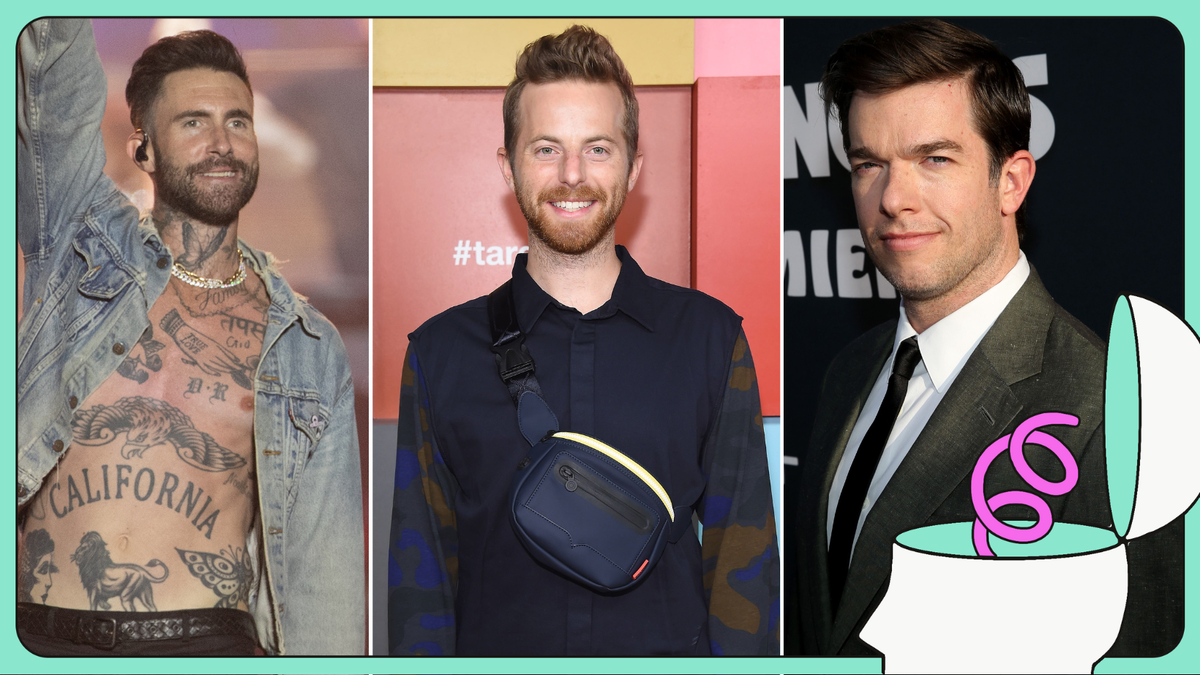 The Try Guys cheating scandal has hopefully done away with this dumb archetype born of the default assumption that most men don't care about their wives. The Try Guys cheating scandal has hopefully done away with this dumb archetype born of the default assumption that most men don't care about their wives. | |
Submitted at 09-30-2022, 01:48 PM by nocash | |
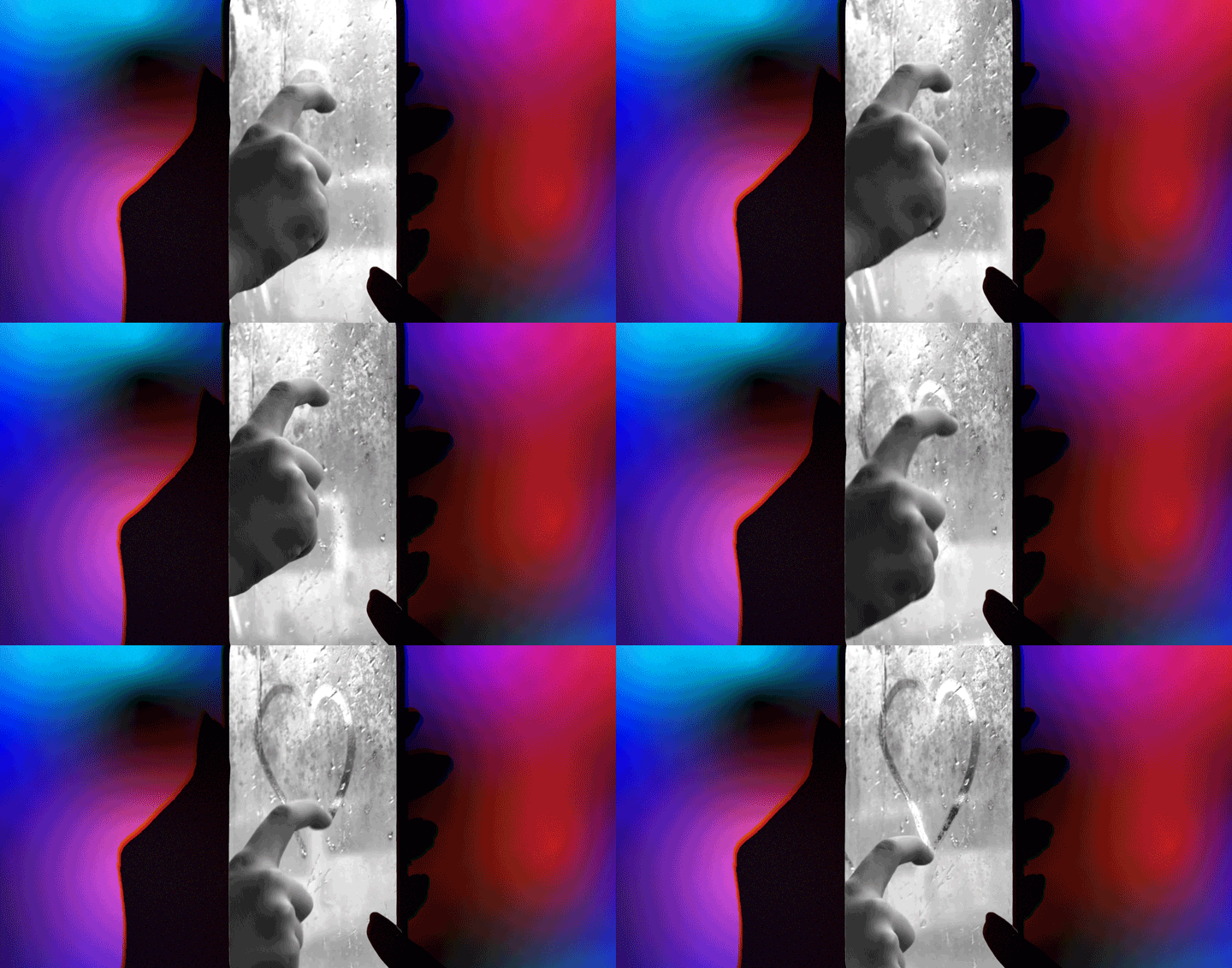 This attitude is probably not going to help you find love. This attitude is probably not going to help you find love. | |
Submitted at 09-30-2022, 01:46 PM by nocash | |
 Peterson then broke down into tears and said, “It’s very difficult to understand how demoralized people are, and certainly many young men are in that category. You get these casual insults, these incels — what do they mean? These men, they don’t know how to make themselves attractive to women who are very picky, and good for them. Women, like, be picky. That’s your gift, man. Demand high standards from your men. Fair enough. But all these men who are alienated, it’s like they’re lonesome and they don’t know what to do and everyone piles abuse on them.” Peterson then broke down into tears and said, “It’s very difficult to understand how demoralized people are, and certainly many young men are in that category. You get these casual insults, these incels — what do they mean? These men, they don’t know how to make themselves attractive to women who are very picky, and good for them. Women, like, be picky. That’s your gift, man. Demand high standards from your men. Fair enough. But all these men who are alienated, it’s like they’re lonesome and they don’t know what to do and everyone piles abuse on them.” | |
Submitted at 09-30-2022, 12:34 PM by Mordant | |
 “It's very, creatively it's a very crazy thing because it turned my world upside down. Because everything I thought and believed was no longer the case. And I think that was maybe a sign that something major was going to happen in the world and that people were needing to be introduced to this concept. But I always found the concept of Christianity quite basic." “It's very, creatively it's a very crazy thing because it turned my world upside down. Because everything I thought and believed was no longer the case. And I think that was maybe a sign that something major was going to happen in the world and that people were needing to be introduced to this concept. But I always found the concept of Christianity quite basic." | |
Submitted at 09-30-2022, 12:28 PM by Mordant | |
 Each Cactus Plant Flea Market Box will come with a meal and a classic McDonald's character toy, with a twist. Each Cactus Plant Flea Market Box will come with a meal and a classic McDonald's character toy, with a twist. | |
Submitted at 09-29-2022, 10:49 PM by Forensic | |
 On Monday morning, Hurricane Ian had wind speeds of 75 miles per hour. Just 48 hours later, those speeds had more than doubled. On Wednesday, as the storm made landfall in southwestern Florida, Ian’s wind hit 155 mph — just shy of a Category 5 storm, the most severe category for a hurricane.
Such rapid growth is known by meteorologists as “rapid intensification.” It’s defined as storms whose wind speeds increase by roughly 35 mph or more in less than 24 hours. “Ian definitely met that criteria,” said Paul Miller, a professor of oceanography and coastal sciences at Louisiana State University.
While wind speed isn’t the only force that makes storms dangerous, hurricanes that rapidly intensify are especially worrisome. They can easily catch coastal communities off guard, giving them little time to prepare, Miller said.
So how did Ian get so big, so fast? On Monday morning, Hurricane Ian had wind speeds of 75 miles per hour. Just 48 hours later, those speeds had more than doubled. On Wednesday, as the storm made landfall in southwestern Florida, Ian’s wind hit 155 mph — just shy of a Category 5 storm, the most severe category for a hurricane.
Such rapid growth is known by meteorologists as “rapid intensification.” It’s defined as storms whose wind speeds increase by roughly 35 mph or more in less than 24 hours. “Ian definitely met that criteria,” said Paul Miller, a professor of oceanography and coastal sciences at Louisiana State University.
While wind speed isn’t the only force that makes storms dangerous, hurricanes that rapidly intensify are especially worrisome. They can easily catch coastal communities off guard, giving them little time to prepare, Miller said.
So how did Ian get so big, so fast? | |
Submitted at 09-30-2022, 04:18 AM by sleeppoor | |