

| News | |||||||||||||||||||||||||||||||||||||||||||||||||||||||||||||||||||||||||||||||||||||||||||||||||||||||||||||||||||||||||||||||||||||||||||||||||||||||||||||||
 The high country of southern Australia is “remote and beautiful and unpredictable,” a place where visitors can be swallowed up without a sound. The high country of southern Australia is “remote and beautiful and unpredictable,” a place where visitors can be swallowed up without a sound. | |
Submitted at 08-05-2021, 08:12 PM by Xiphias | |
3 Comments | |
/cloudfront-us-east-1.images.arcpublishing.com/pmn/6WWEKNANMZDSLGIIOIZAQ6KVJE.jpg) Drivers who get sucked into the bureaucratic vortex describe it as city-sanctioned auto theft, sometimes followed by punishing fines from the Philadelphia Parking Authority. Drivers who get sucked into the bureaucratic vortex describe it as city-sanctioned auto theft, sometimes followed by punishing fines from the Philadelphia Parking Authority. | |
Submitted at 08-05-2021, 06:38 PM by Xiphias | |
 Once perceived as solitary creatures that focused solely on feeding their towering bodies, new research says that giraffes have been misunderstood and are in fact a highly complex and social species. Once perceived as solitary creatures that focused solely on feeding their towering bodies, new research says that giraffes have been misunderstood and are in fact a highly complex and social species. | |
Submitted at 08-05-2021, 05:58 PM by Spöklika | |
Submitted at 08-05-2021, 05:09 PM by Xiphias | |
 It wasn’t a cop bar; that was the point. They weren’t there to meet other cops. They were there to meet girls. The three police officers took seats at the wine bar in D.C.’s trendy Navy Yard neighborhood—exposed concrete walls, leather banquettes, $13 tuna tartare—and despite its being a wine bar, despite the Wednesday night half-price-wine special, they ordered beers.
May 12, 2021, was a balmy night, and dozens of newly vaccinated young urbanites mingled out on the patio. At 10 p.m., the cops asked the bartender to put CNN on the TV.
“A true American hero, officer Michael Fanone,” intoned the host, Don Lemon. “This is difficult to watch. But it is the truth of what happened that day. The truth—not the lies that you’ve been hearing.” The screen filled with Fanone’s body-camera footage from the Jan. 6 insurrection, airing publicly for the first time. “Officer Fanone is outside on the Capitol steps on the lower west terrace,” Lemon said. “This is approximately 3:15 on that day. It wasn’t a cop bar; that was the point. They weren’t there to meet other cops. They were there to meet girls. The three police officers took seats at the wine bar in D.C.’s trendy Navy Yard neighborhood—exposed concrete walls, leather banquettes, $13 tuna tartare—and despite its being a wine bar, despite the Wednesday night half-price-wine special, they ordered beers.
May 12, 2021, was a balmy night, and dozens of newly vaccinated young urbanites mingled out on the patio. At 10 p.m., the cops asked the bartender to put CNN on the TV.
“A true American hero, officer Michael Fanone,” intoned the host, Don Lemon. “This is difficult to watch. But it is the truth of what happened that day. The truth—not the lies that you’ve been hearing.” The screen filled with Fanone’s body-camera footage from the Jan. 6 insurrection, airing publicly for the first time. “Officer Fanone is outside on the Capitol steps on the lower west terrace,” Lemon said. “This is approximately 3:15 on that day. | |
Submitted at 08-05-2021, 04:01 PM by Forensic | |
 The economist Emily Oster’s “Expecting Better” made parenting less daunting. Her new book, “The Family Firm,” does the opposite. The economist Emily Oster’s “Expecting Better” made parenting less daunting. Her new book, “The Family Firm,” does the opposite. | |
Submitted at 08-05-2021, 02:12 PM by nocash | |
 It’s a Tibetan metaphysical concept that incels are trying to fuck It’s a Tibetan metaphysical concept that incels are trying to fuck | |
Submitted at 08-05-2021, 02:10 PM by nocash | |
 Blame it on his microsoft heart Blame it on his microsoft heart | |
Submitted at 08-05-2021, 02:09 PM by nocash | |
 Aggressive developers looking for a way in—or desperate homeowners looking for a way out. Aggressive developers looking for a way in—or desperate homeowners looking for a way out. | |
Submitted at 08-05-2021, 01:52 PM by Xiphias | |
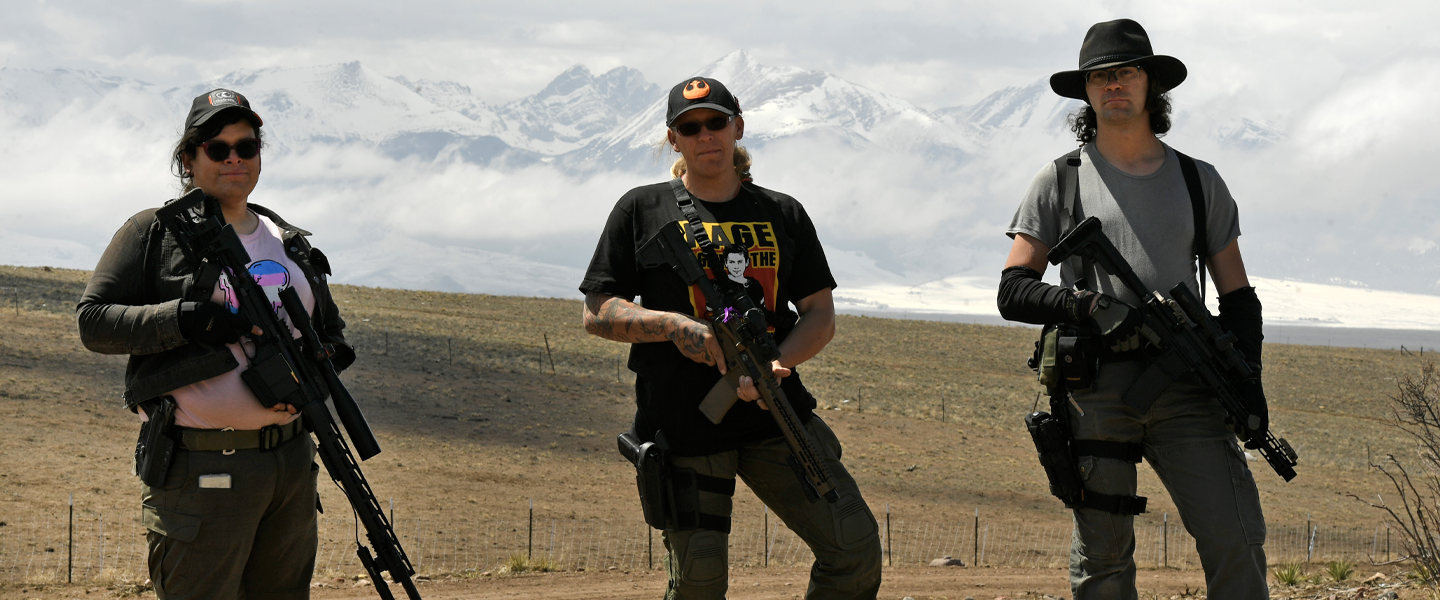 For nearly nine months, Tenacious Unicorn Ranch, a safe haven for trans and queer Coloradans, faced violent threats from right-wing extremists. Until, that is, they turned to their local anarchists for help. For nearly nine months, Tenacious Unicorn Ranch, a safe haven for trans and queer Coloradans, faced violent threats from right-wing extremists. Until, that is, they turned to their local anarchists for help. | |
Submitted at 08-05-2021, 04:40 AM by Dreaded Candiru | |
 Two trucks carrying migrants sped through dusty roads a few miles south of the U.S. border as four armored police cars gave chase. A man called his wife from one of the trucks: The police are shooting at us, he told her.
By the time the hunt was over, Mexican police officers would fire more than 100 bullets at the trucks and set them on fire, leaving 16 Guatemalans, two Mexicans, and one Salvadoran burned beyond recognition, according to Mexican prosecutors.
Seven months later, the Jan. 22 massacre remains shrouded in mystery. VICE World News obtained exclusive footage of pre-trial hearings against the 12 officers charged in the killings, which a judge ordered kept secret because of the sensitive nature of the case. The evidence presented by prosecutors paints a chilling picture: Migrants desperately trying to escape as a convoy of police officers hunted them down, fired a barrage of bullets, and then set them alight.
VICE is also revealing new details about the extent of U.S. training received by several of the accused officers, casting doubt on billion-dollar American efforts to clean up Mexican security agencies with long histories of corruption.
Prosecutors have charged the 12 officers with aggravated murder, abuse of power, and obstruction of justice. The officers have yet to plead innocent or guilty, and they initially claimed they came upon the crime scene after the massacre. Two trucks carrying migrants sped through dusty roads a few miles south of the U.S. border as four armored police cars gave chase. A man called his wife from one of the trucks: The police are shooting at us, he told her.
By the time the hunt was over, Mexican police officers would fire more than 100 bullets at the trucks and set them on fire, leaving 16 Guatemalans, two Mexicans, and one Salvadoran burned beyond recognition, according to Mexican prosecutors.
Seven months later, the Jan. 22 massacre remains shrouded in mystery. VICE World News obtained exclusive footage of pre-trial hearings against the 12 officers charged in the killings, which a judge ordered kept secret because of the sensitive nature of the case. The evidence presented by prosecutors paints a chilling picture: Migrants desperately trying to escape as a convoy of police officers hunted them down, fired a barrage of bullets, and then set them alight.
VICE is also revealing new details about the extent of U.S. training received by several of the accused officers, casting doubt on billion-dollar American efforts to clean up Mexican security agencies with long histories of corruption.
Prosecutors have charged the 12 officers with aggravated murder, abuse of power, and obstruction of justice. The officers have yet to plead innocent or guilty, and they initially claimed they came upon the crime scene after the massacre. | |
Submitted at 08-05-2021, 04:19 AM by sleeppoor | |
 A federal magistrate judge in Florida ordered far-right conspiracy theorist Laura Loomer and her company Illoominate Media to pay a Muslim civil rights advocacy group nearly $125,000 in attorney’s fees and costs stemming from a lawsuit claiming the group colluded with Twitter to have her banned from the social media platform. A federal magistrate judge in Florida ordered far-right conspiracy theorist Laura Loomer and her company Illoominate Media to pay a Muslim civil rights advocacy group nearly $125,000 in attorney’s fees and costs stemming from a lawsuit claiming the group colluded with Twitter to have her banned from the social media platform. | |
Submitted at 08-05-2021, 04:36 AM by Xiphias | |
Submitted at 08-05-2021, 04:00 AM by useless_pedant | |
 Spirit Airlines collapses - weather plus staffing issues have led to an operational meltdown stranding thousands and leading to rioting. Spirit Airlines collapses - weather plus staffing issues have led to an operational meltdown stranding thousands and leading to rioting. | |
Submitted at 08-05-2021, 03:41 AM by GARFA the Orange | |
 Landowner wants ‘River Dave’ Lidstone out, but 81-year-old squatter says he’d rather sit in jail ‘til I rot’ Landowner wants ‘River Dave’ Lidstone out, but 81-year-old squatter says he’d rather sit in jail ‘til I rot’ | |
Submitted at 08-05-2021, 03:36 AM by Nibbles | |
 Miami's mayor has said returns from the city's new cryptocurrency could be used to "eliminate homelessness" and for "increasing the police force." Miami's mayor has said returns from the city's new cryptocurrency could be used to "eliminate homelessness" and for "increasing the police force." | |
Submitted at 08-05-2021, 02:46 AM by Xiphias | |
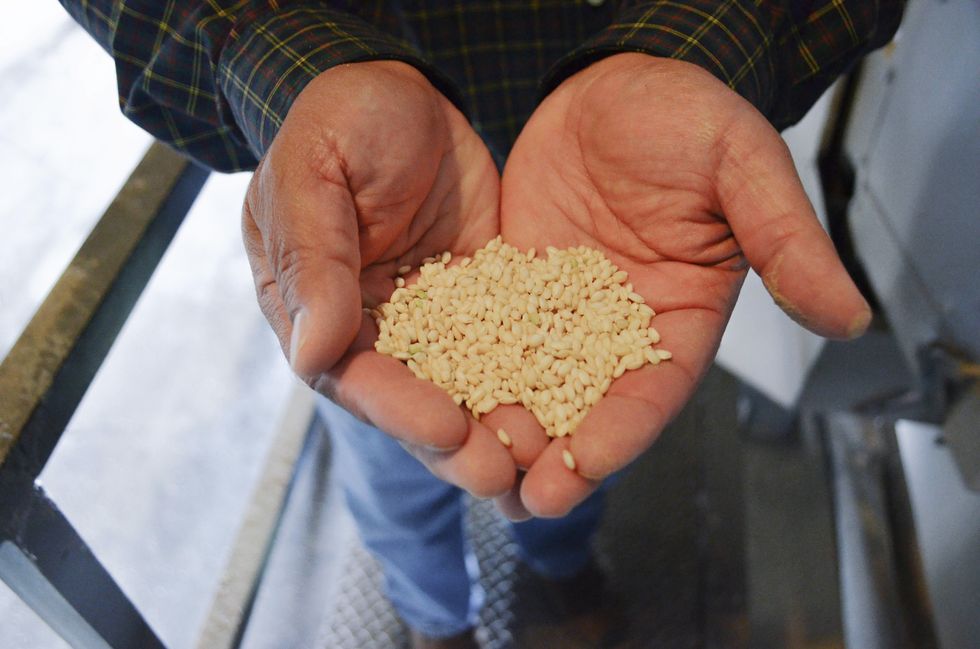 I’m on a narrow road punched with potholes and uneven gravel. To both sides of me are fields of water stretched to the far edge of the horizon. If I were on an airplane looking down, I’d see a gorgeous mosaic of mirrors, silvery and still, divided into perfect rectangles.
Rice farmer Charley Mathews Jr.’s family has been working the land in California’s Sacramento Valley since the late 1800s. We’re standing near the water-swollen paddies that populate his 700-acre farm in Yuba County, an hour north of Sacramento proper. The soil is compacted, and the hardpan, a few feet beneath the surface, restricts fluid percolation. This is a good thing. The land, once regarded as wasteland, is perfect for rice farming, turning fields into giant bathtubs. Mathews’ great-grandfather, who came to California from Ireland, started his business growing produce to feed the miners in the gold fields. “Miners, all they had was gold dust. They were starving,“ Mathews says.
Mathews is part of a network of 2,500 rice farmers in California, the second-largest producer of rice in the United States after Arkansas. In the Sacramento Valley, aka Rice Country, 97 percent of the state's crop is grown on more than 500,000 acres of semi-arid land. It is among the top 20 agricultural exports for the state, and the medium-grain Japonica (a Japanese variety), also known as Calrose, represents nearly 90 percent of the state’s rice production. Calrose rice is predominately used in sushi, and according to the California Rice Commission, the state supplies virtually all of the United States’ sushi rice. On a good year (the state’s ongoing drought has reduced this year’s crop by 25 percent), the California rice industry is a $5 billion business.
The grain came to California, Mathews explains, with the state’s 19th century Chinese population. In the 1850s, roughly 40,000 immigrants, weary from the violence and economic turmoil of the Taiping Rebellion, arrived on the shores of California in search of gold. By 1855, the Gold Rush was over, but another one had quietly begun: the rush for rice. I’m on a narrow road punched with potholes and uneven gravel. To both sides of me are fields of water stretched to the far edge of the horizon. If I were on an airplane looking down, I’d see a gorgeous mosaic of mirrors, silvery and still, divided into perfect rectangles.
Rice farmer Charley Mathews Jr.’s family has been working the land in California’s Sacramento Valley since the late 1800s. We’re standing near the water-swollen paddies that populate his 700-acre farm in Yuba County, an hour north of Sacramento proper. The soil is compacted, and the hardpan, a few feet beneath the surface, restricts fluid percolation. This is a good thing. The land, once regarded as wasteland, is perfect for rice farming, turning fields into giant bathtubs. Mathews’ great-grandfather, who came to California from Ireland, started his business growing produce to feed the miners in the gold fields. “Miners, all they had was gold dust. They were starving,“ Mathews says.
Mathews is part of a network of 2,500 rice farmers in California, the second-largest producer of rice in the United States after Arkansas. In the Sacramento Valley, aka Rice Country, 97 percent of the state's crop is grown on more than 500,000 acres of semi-arid land. It is among the top 20 agricultural exports for the state, and the medium-grain Japonica (a Japanese variety), also known as Calrose, represents nearly 90 percent of the state’s rice production. Calrose rice is predominately used in sushi, and according to the California Rice Commission, the state supplies virtually all of the United States’ sushi rice. On a good year (the state’s ongoing drought has reduced this year’s crop by 25 percent), the California rice industry is a $5 billion business.
The grain came to California, Mathews explains, with the state’s 19th century Chinese population. In the 1850s, roughly 40,000 immigrants, weary from the violence and economic turmoil of the Taiping Rebellion, arrived on the shores of California in search of gold. By 1855, the Gold Rush was over, but another one had quietly begun: the rush for rice. | |
Submitted at 08-04-2021, 08:51 PM by sleeppoor | |
 The World Health Organization called on Wednesday for a moratorium on coronavirus vaccine booster shots until the end of September, so that vaccine supplies can be focused on helping all countries vaccinate at least 10 percent of their populations. The agency made its appeal to the world’s wealthiest nations to address the wide disparities in vaccination rates around the world.
“I understand the concern of all governments to protect their people from the Delta variant,” Tedros Adhanom Ghebreyesus, director general of the W.H.O., said in a briefing. “But we cannot — and we should not — accept countries that have already used most of the global supply of vaccines using even more of it, while the world’s most vulnerable people remain unprotected.”
With the debate over booster shots heating up, the call highlighted a moral and scientific case long pressed by humanitarian groups: With the staggering gaps in vaccination rates around the world and cases surging as the Delta variant spreads, vaccine doses should be given first to vulnerable people in poorer nations. Fully vaccinated people are protected against the worst outcomes of Covid-19 caused by the Delta variant.
Of more than four billion vaccine doses that have been administered around the world, more than 80 percent have been used in high- and upper-middle-income countries, which account for less than half of the world’s population, Dr. Tedros said.
Collectively, high-income countries have administered almost 100 doses for every 100 people, he said, while low-income countries have administered just 1.5 doses for every 100 people, mainly because of a lack of supply. African countries have administered five doses for every 100 people, compared with 88 doses per 100 people in Europe and 85 in North America, according to the Our World in Data project at the University of Oxford. The World Health Organization called on Wednesday for a moratorium on coronavirus vaccine booster shots until the end of September, so that vaccine supplies can be focused on helping all countries vaccinate at least 10 percent of their populations. The agency made its appeal to the world’s wealthiest nations to address the wide disparities in vaccination rates around the world.
“I understand the concern of all governments to protect their people from the Delta variant,” Tedros Adhanom Ghebreyesus, director general of the W.H.O., said in a briefing. “But we cannot — and we should not — accept countries that have already used most of the global supply of vaccines using even more of it, while the world’s most vulnerable people remain unprotected.”
With the debate over booster shots heating up, the call highlighted a moral and scientific case long pressed by humanitarian groups: With the staggering gaps in vaccination rates around the world and cases surging as the Delta variant spreads, vaccine doses should be given first to vulnerable people in poorer nations. Fully vaccinated people are protected against the worst outcomes of Covid-19 caused by the Delta variant.
Of more than four billion vaccine doses that have been administered around the world, more than 80 percent have been used in high- and upper-middle-income countries, which account for less than half of the world’s population, Dr. Tedros said.
Collectively, high-income countries have administered almost 100 doses for every 100 people, he said, while low-income countries have administered just 1.5 doses for every 100 people, mainly because of a lack of supply. African countries have administered five doses for every 100 people, compared with 88 doses per 100 people in Europe and 85 in North America, according to the Our World in Data project at the University of Oxford. | |
Submitted at 08-04-2021, 07:39 PM by sleeppoor | |
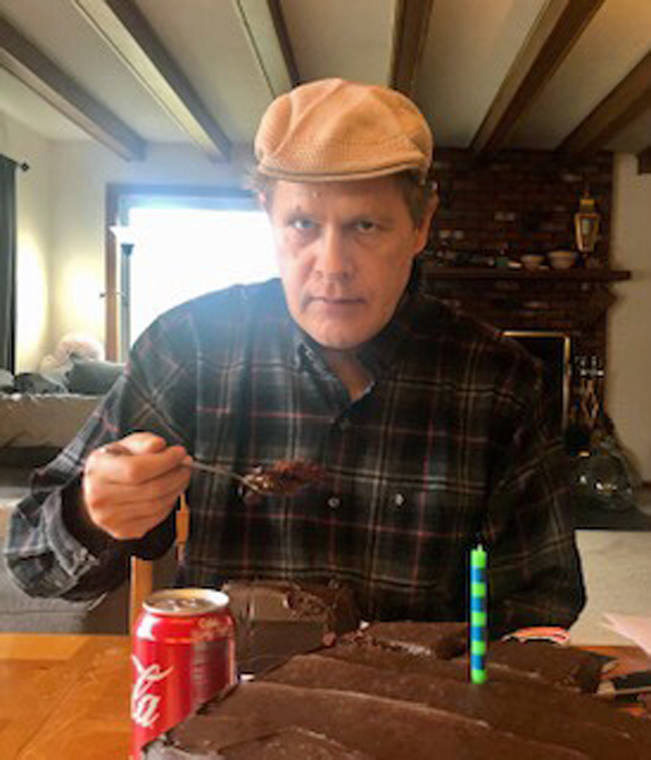 Hawaii officials wrongly arrested a homeless man for a crime committed by someone else, locked him up in a state hospital for more than two years, forced him to take psychiatric drugs and then tried to cover up the mistake by quietly setting him free with just 50 cents to his name, the Hawaii Innocence Project said in a court document asking a judge to set the record straight. Hawaii officials wrongly arrested a homeless man for a crime committed by someone else, locked him up in a state hospital for more than two years, forced him to take psychiatric drugs and then tried to cover up the mistake by quietly setting him free with just 50 cents to his name, the Hawaii Innocence Project said in a court document asking a judge to set the record straight. | |
Submitted at 08-04-2021, 05:11 PM by Spöklika | |
 Several states ended pandemic-related enhanced federal unemployment benefits early this year over concerns that the extra $300 per week was preventing people from re-entering the workforce. But data from human resource software company Homebase, which CNBC economics reporter Steve Liesman says has provided good information during the pandemic, suggest that eliminating the benefits didn't contribute to re-hiring. Several states ended pandemic-related enhanced federal unemployment benefits early this year over concerns that the extra $300 per week was preventing people from re-entering the workforce. But data from human resource software company Homebase, which CNBC economics reporter Steve Liesman says has provided good information during the pandemic, suggest that eliminating the benefits didn't contribute to re-hiring. | |
Submitted at 08-04-2021, 04:31 PM by Wreckard | |