

| News | |||||||||||||||||||||||||||||||||||||||||||||||||||||||||||||||||||||||||||||||||||||||||||||||||||||||||||||||||||||||||||||||||||||||||||||||||||||||||||||||
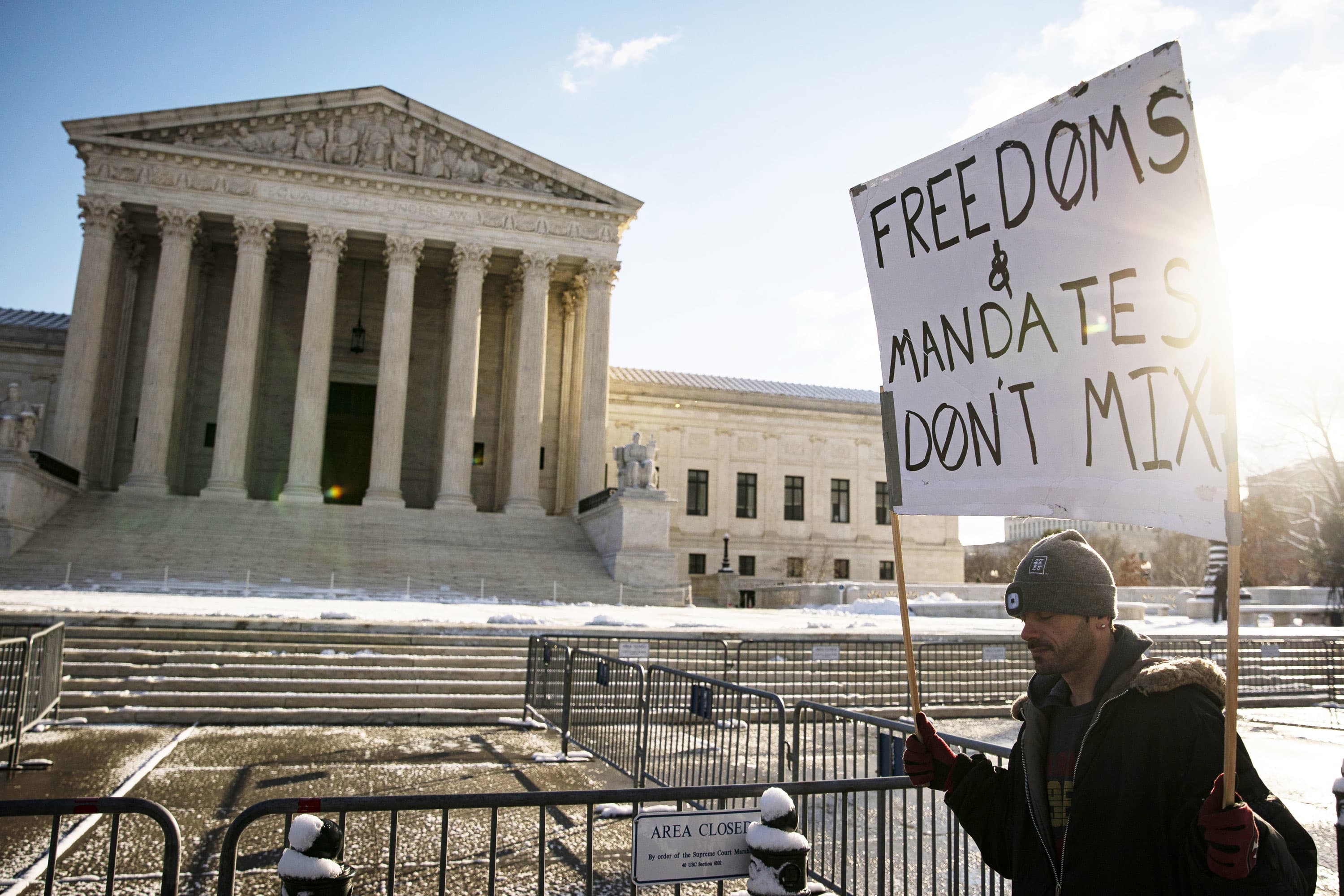 The Supreme Court on Thursday blocked the Biden administration from enforcing its sweeping vaccine-or-test requirements for large private companies, but allowed similar requirements to stand for medical facilities that take Medicare or Medicaid payments.
The rulings came three days after the Occupational Safety and Health Administration’s emergency measure started to take effect.
That mandate required that workers at businesses with 100 or more employees must get vaccinated or submit a negative Covid test weekly to enter the workplace. It also required unvaccinated workers to wear masks indoors at work.
“Although Congress has indisputably given OSHA the power to regulate occupational dangers, it has not given that agency the power to regulate public health more broadly,” the court wrote in an unsigned opinion. The Supreme Court on Thursday blocked the Biden administration from enforcing its sweeping vaccine-or-test requirements for large private companies, but allowed similar requirements to stand for medical facilities that take Medicare or Medicaid payments.
The rulings came three days after the Occupational Safety and Health Administration’s emergency measure started to take effect.
That mandate required that workers at businesses with 100 or more employees must get vaccinated or submit a negative Covid test weekly to enter the workplace. It also required unvaccinated workers to wear masks indoors at work.
“Although Congress has indisputably given OSHA the power to regulate occupational dangers, it has not given that agency the power to regulate public health more broadly,” the court wrote in an unsigned opinion. | |
Submitted at 01-13-2022, 08:00 PM by Forensic | |
0 Comments | |
 WASHINGTON (AP) — Stewart Rhodes, the founder and leader of the far-right Oath Keepers militia group, has been arrested and charged with seditious conspiracy in the attack on the U.S. Capitol, authorities said Thursday.
Ten other people also were charged with seditious conspiracy in connection with the attack on Jan. 6, 2021, when authorities said members of the extremist group came to Washington intent on stopping the certification of President Joe Biden’s victory.
These are the first charges of seditious conspiracy that the Justice Department has brought in connection with the attack led by supporters of former President Donald Trump. WASHINGTON (AP) — Stewart Rhodes, the founder and leader of the far-right Oath Keepers militia group, has been arrested and charged with seditious conspiracy in the attack on the U.S. Capitol, authorities said Thursday.
Ten other people also were charged with seditious conspiracy in connection with the attack on Jan. 6, 2021, when authorities said members of the extremist group came to Washington intent on stopping the certification of President Joe Biden’s victory.
These are the first charges of seditious conspiracy that the Justice Department has brought in connection with the attack led by supporters of former President Donald Trump. | |
Submitted at 01-13-2022, 07:59 PM by Forensic | |
 In the episode, the titular bounty hunter gets an assist from a gang of cool teens riding futuristic Vespas. The episode itself isn’t too interesting—most of it feels like wheel spinning while the overarching plot of the season kicks into gear—but Vespas are a real sticking point for some fans, who feel that they don’t fit into the rest of the dusty, brown landscape of the Tatooine criminal underground. In the episode, the titular bounty hunter gets an assist from a gang of cool teens riding futuristic Vespas. The episode itself isn’t too interesting—most of it feels like wheel spinning while the overarching plot of the season kicks into gear—but Vespas are a real sticking point for some fans, who feel that they don’t fit into the rest of the dusty, brown landscape of the Tatooine criminal underground. | |
Submitted at 01-13-2022, 07:52 PM by Forensic | |
 Art reminds us that survival after apocalypse is insufficient. Art reminds us that survival after apocalypse is insufficient. | |
Submitted at 01-13-2022, 06:56 PM by DamnHead | |
 Navient, a large student loan servicer, has settled allegations of predatory lending practices for $1.85 billion, Pennsylvania's attorney general announced Thursday. The settlement includes $1.7 billion in debt cancellation and $95 million in restitution, state Attorney General Josh Shapiro said in a news release. Navient, a large student loan servicer, has settled allegations of predatory lending practices for $1.85 billion, Pennsylvania's attorney general announced Thursday. The settlement includes $1.7 billion in debt cancellation and $95 million in restitution, state Attorney General Josh Shapiro said in a news release. | |
Submitted at 01-13-2022, 07:48 PM by sleeppoor | |
:quality(70)/cloudfront-us-east-1.images.arcpublishing.com/wweek/533UHCV4U5BD7HBVXX65FO2B6U.jpg) It’s rare to find an industry that wasn’t steamrolled by the COVID-19 pandemic. But for professional cuddler Samantha Hess—whose job relied on engaging in hours of sustained physical contact with a dozen clients per week—the complication posed by a global, highly contagious virus bordered on ludicrous.
Hess founded Cuddle Up to Me in 2013 as a service to impart physical touch to clients, platonically. Over the years, her repertoire expanded to include 92 different cuddling poses and adaptations to fit the needs of her individual cuddle partners. Hess says every client needs something a little different. Some clients are just searching for a good listener. But pre-pandemic, nearly all her cuddle sessions involved at least some physicality.
Virtually overnight, her business model crumbled. It’s rare to find an industry that wasn’t steamrolled by the COVID-19 pandemic. But for professional cuddler Samantha Hess—whose job relied on engaging in hours of sustained physical contact with a dozen clients per week—the complication posed by a global, highly contagious virus bordered on ludicrous.
Hess founded Cuddle Up to Me in 2013 as a service to impart physical touch to clients, platonically. Over the years, her repertoire expanded to include 92 different cuddling poses and adaptations to fit the needs of her individual cuddle partners. Hess says every client needs something a little different. Some clients are just searching for a good listener. But pre-pandemic, nearly all her cuddle sessions involved at least some physicality.
Virtually overnight, her business model crumbled. | |
Submitted at 01-13-2022, 06:31 PM by katheudo | |
 One victim explained that his manhood is now 1.5inches shorter after testing positive One victim explained that his manhood is now 1.5inches shorter after testing positive | |
Submitted at 01-13-2022, 06:11 PM by Spöklika | |
 Prince Andrew has returned his military affiliations and royal patronages to Queen Elizabeth, Buckingham Palace said on Thursday, a day after his lawyers failed to persuade a U.S. judge to dismiss a civil lawsuit against him that accuses the royal of sexual abuse. Prince Andrew has returned his military affiliations and royal patronages to Queen Elizabeth, Buckingham Palace said on Thursday, a day after his lawyers failed to persuade a U.S. judge to dismiss a civil lawsuit against him that accuses the royal of sexual abuse. | |
Submitted at 01-13-2022, 05:49 PM by Disruptive Emotional-Support Pig | |
 High dynamic range. First experienced by most consumers in late 2005, with Valve’s Half Life 2: Lost Coast demo. Largely faked at the time due to technical limitations, but it laid the groundwork for something we take for granted in nearly every blockbuster title. The contemporaneous reviews were nothing short of gushing. We’ve been busy making a complete god awful mess of it ever since. High dynamic range. First experienced by most consumers in late 2005, with Valve’s Half Life 2: Lost Coast demo. Largely faked at the time due to technical limitations, but it laid the groundwork for something we take for granted in nearly every blockbuster title. The contemporaneous reviews were nothing short of gushing. We’ve been busy making a complete god awful mess of it ever since. | |
Submitted at 01-13-2022, 02:41 PM by Agent #1 | |
 An offal spillage has led to the lane closure of a freeway exit ramp in Melbourne.
The left lane of the Boundary Road exit ramp closed on the M80 Ring Road this afternoon after large amounts of offal spilled across the lane.
Aerial photos captured by 9News showed the chunks of meat spewed across the road. An offal spillage has led to the lane closure of a freeway exit ramp in Melbourne.
The left lane of the Boundary Road exit ramp closed on the M80 Ring Road this afternoon after large amounts of offal spilled across the lane.
Aerial photos captured by 9News showed the chunks of meat spewed across the road. | |
Submitted at 01-13-2022, 05:36 AM by sleeppoor | |
 Thousands of Teslas are now being equipped with a feature that prompts the car to break common traffic laws — and the revelation is prompting some advocates to question the safety benefits of automated vehicle technology when unsafe human drivers are allowed to program it to do things that endanger other road users.
In an October 2021 update its deceptively named “Full Self Driving Mode” beta software, the controversial Texas automaker introduced a new feature that allows drivers to pick one of three custom driving “profiles” — “chill,” “average,” and “assertive” — which moderates how aggressively the vehicle applies many of its automated safety features on U.S. roads.
The rollout went largely unnoticed by street safety advocates until a Jan. 9 article in The Verge, when journalist Emma Roth revealed that putting a Tesla in “assertive” mode will effectively direct the car to tailgate other motorists, perform unsafe passing maneuvers, and roll through certain stops (“average” mode isn’t much safer). All those behaviors are illegal in most U.S. states, and experts say there’s no reason why Tesla shouldn’t be required to program its vehicles to follow the local rules of the road, even when drivers travel between jurisdictions with varying safety standards.
“Basically, Tesla is programming its cars to break laws,” said Phil Koopman, an expert in autonomous vehicle technology and associate professor at Carnegie Mellon University. “Even if [those laws] vary from state to state and city to city, these cars knows where they are, and the local laws are clearly published. If you want to build an AV that drives in more than one jurisdiction and you want it to follow the rules, there’s no reason you can’t program it up to do that. It sounds like a lot of work, but this is a trillion-dollar industry we’re talking about.”
Thousands of Teslas are now being equipped with a feature that prompts the car to break common traffic laws — and the revelation is prompting some advocates to question the safety benefits of automated vehicle technology when unsafe human drivers are allowed to program it to do things that endanger other road users.
In an October 2021 update its deceptively named “Full Self Driving Mode” beta software, the controversial Texas automaker introduced a new feature that allows drivers to pick one of three custom driving “profiles” — “chill,” “average,” and “assertive” — which moderates how aggressively the vehicle applies many of its automated safety features on U.S. roads.
The rollout went largely unnoticed by street safety advocates until a Jan. 9 article in The Verge, when journalist Emma Roth revealed that putting a Tesla in “assertive” mode will effectively direct the car to tailgate other motorists, perform unsafe passing maneuvers, and roll through certain stops (“average” mode isn’t much safer). All those behaviors are illegal in most U.S. states, and experts say there’s no reason why Tesla shouldn’t be required to program its vehicles to follow the local rules of the road, even when drivers travel between jurisdictions with varying safety standards.
“Basically, Tesla is programming its cars to break laws,” said Phil Koopman, an expert in autonomous vehicle technology and associate professor at Carnegie Mellon University. “Even if [those laws] vary from state to state and city to city, these cars knows where they are, and the local laws are clearly published. If you want to build an AV that drives in more than one jurisdiction and you want it to follow the rules, there’s no reason you can’t program it up to do that. It sounds like a lot of work, but this is a trillion-dollar industry we’re talking about.” | |
Submitted at 01-13-2022, 03:46 AM by sleeppoor | |
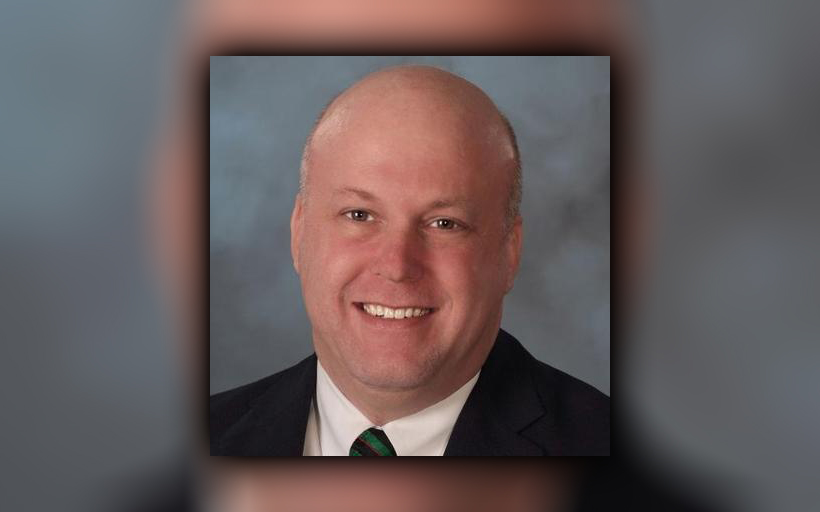 (Former Chief of Staff of a GOP state Senator) Kuczwanski was arrested for a separate road rage incident at the same intersection in 2014. (Former Chief of Staff of a GOP state Senator) Kuczwanski was arrested for a separate road rage incident at the same intersection in 2014. | |
Submitted at 01-12-2022, 11:56 PM by Disruptive Emotional-Support Pig | |
 On at least five occasions, Virginia Beach police used phony documents that suggested a suspect had been linked to a crime through DNA evidence to try to get a confession from them, according to an investigation by the state Attorney General's Office. In at least one instance, the phony paperwork was submitted into evidence in court. On at least five occasions, Virginia Beach police used phony documents that suggested a suspect had been linked to a crime through DNA evidence to try to get a confession from them, according to an investigation by the state Attorney General's Office. In at least one instance, the phony paperwork was submitted into evidence in court. | |
Submitted at 01-12-2022, 11:34 PM by sleeppoor | |
 Last year marked the deadliest year in the country for opioid-related overdoses after more than 100,000 Americans died.
North Carolina lawmakers have allocated more than $16 million in funding to combat the opioid crisis in the state.
A significant portion of the money went to one location - a nonprofit organization called Hope Alive. The state allocated $10 million, over two years, for a new treatment center in Robeson County. The allocation comes despite Hope Alive being a relatively young organization without any track record of providing drug treatment.
“We really didn't have a whole lot of other options out there locally for folks that were willing to do this,” said Sen. Danny Britt, R-Robeson. “Hope Alive ministries was — but we needed them to work with people who have had clinically proven methods.”
State filings showed the organization was founded in July 2020 and the address was the same as a church in a strip mall off of Interstate 95 in Lumberton, called Greater Hope International Church — a nondenominational institution run by senior pastor Ronald Barnes.
When asked about his relationship with Barnes, Britt says he hasn’t worked directly with the pastor. WRAL News filed a records request with his office for emails and texts which mention the organization and any communication between the two but it hasn’t been filled.
Britt also wasn’t aware of Barnes’ criminal history. WRAL found records from Virginia between 1992 to 2004 that show Barnes pleaded guilty to at least seven counts of embezzlement, at least two of which were from car dealerships. He served time for his convictions. Last year marked the deadliest year in the country for opioid-related overdoses after more than 100,000 Americans died.
North Carolina lawmakers have allocated more than $16 million in funding to combat the opioid crisis in the state.
A significant portion of the money went to one location - a nonprofit organization called Hope Alive. The state allocated $10 million, over two years, for a new treatment center in Robeson County. The allocation comes despite Hope Alive being a relatively young organization without any track record of providing drug treatment.
“We really didn't have a whole lot of other options out there locally for folks that were willing to do this,” said Sen. Danny Britt, R-Robeson. “Hope Alive ministries was — but we needed them to work with people who have had clinically proven methods.”
State filings showed the organization was founded in July 2020 and the address was the same as a church in a strip mall off of Interstate 95 in Lumberton, called Greater Hope International Church — a nondenominational institution run by senior pastor Ronald Barnes.
When asked about his relationship with Barnes, Britt says he hasn’t worked directly with the pastor. WRAL News filed a records request with his office for emails and texts which mention the organization and any communication between the two but it hasn’t been filled.
Britt also wasn’t aware of Barnes’ criminal history. WRAL found records from Virginia between 1992 to 2004 that show Barnes pleaded guilty to at least seven counts of embezzlement, at least two of which were from car dealerships. He served time for his convictions. | |
Submitted at 01-12-2022, 11:24 PM by sleeppoor | |
/cloudfront-us-east-1.images.arcpublishing.com/gray/QZZELDJHQNBALJRTUFAQHI3UMU.JPG) The three were charged in connection with the $250,000 payout to ex-Police Chief Louis Kealoha. The three were charged in connection with the $250,000 payout to ex-Police Chief Louis Kealoha. | |
Submitted at 01-12-2022, 11:38 PM by sleeppoor | |
Submitted at 01-12-2022, 11:22 PM by Disruptive Emotional-Support Pig | |
 Ronnie Spector, the cat-eyed, bee-hived rock ‘n’ roll siren who sang such 1960s hits as “Be My Baby,” “Baby I Love You” and “Walking in the Rain” as the leader of the girl group The Ronettes, has died. Spector died Wednesday after a brief battle with cancer, her family said. Tributes flooded social media, with Stevie Van Zandt saying it was an honor to produce her, to Brian Wilson, who wrote on Twitter: “I loved her voice so much and she was a very special person and a dear friend.” Ronnie Spector, the cat-eyed, bee-hived rock ‘n’ roll siren who sang such 1960s hits as “Be My Baby,” “Baby I Love You” and “Walking in the Rain” as the leader of the girl group The Ronettes, has died. Spector died Wednesday after a brief battle with cancer, her family said. Tributes flooded social media, with Stevie Van Zandt saying it was an honor to produce her, to Brian Wilson, who wrote on Twitter: “I loved her voice so much and she was a very special person and a dear friend.” | |
Submitted at 01-12-2022, 11:21 PM by sleeppoor | |
 The call to “listen to the most affected” or “centre the most marginalized” is ubiquitous in many academic and activist circles. But it’s never sat well with me. In my experience, when people say they need to “listen to the most affected”, it isn’t because they intend to set up Skype calls to refugee camps or to collaborate with houseless people. Instead, it has more often meant handing conversational authority and attentional goods to those who most snugly fit into the social categories associated with these ills – regardless of what they actually do or do not know, or what they have or have not personally experienced. In the case of my conversation with Helen, my racial category tied me more “authentically” to an experience that neither of us had had. She was called to defer to me by the rules of the game as we understood it. Even where stakes are high – where potential researchers are discussing how to understand a social phenomenon, where activists are deciding what to target – these rules often prevail.
The trap wasn’t that standpoint epistemology was affecting the conversation, but how. Broadly, the norms of putting standpoint epistemology into practice call for practices of deference: giving offerings, passing the mic, believing. These are good ideas in many cases, and the norms that ask us to be ready to do them stem from admirable motivations: a desire to increase the social power of marginalized people identified as sources of knowledge and rightful targets of deferential behaviour. But deferring in this way as a rule or default political orientation can actually work counter to marginalized groups’ interests, especially in elite spaces.
Some rooms have outsize power and influence: the Situation Room, the newsroom, the bargaining table, the conference room. Being in these rooms means being in a position to affect institutions and broader social dynamics by way of deciding what one is to say and do. Access to these rooms is itself a kind of social advantage, and one often gained through some prior social advantage. From a societal standpoint, the “most affected” by the social injustices we associate with politically important identities like gender, class, race, and nationality are disproportionately likely to be incarcerated, underemployed, or part of the 44 percent of the world’s population without internet access – and thus both left out of the rooms of power and largely ignored by the people in the rooms of power. Individuals who make it past the various social selection pressures that filter out those social identities associated with these negative outcomes are most likely to be in the room. That is, they are most likely to be in the room precisely because of ways in which they are systematically different from (and thus potentially unrepresentative of) the very people they are then asked to represent in the room. The call to “listen to the most affected” or “centre the most marginalized” is ubiquitous in many academic and activist circles. But it’s never sat well with me. In my experience, when people say they need to “listen to the most affected”, it isn’t because they intend to set up Skype calls to refugee camps or to collaborate with houseless people. Instead, it has more often meant handing conversational authority and attentional goods to those who most snugly fit into the social categories associated with these ills – regardless of what they actually do or do not know, or what they have or have not personally experienced. In the case of my conversation with Helen, my racial category tied me more “authentically” to an experience that neither of us had had. She was called to defer to me by the rules of the game as we understood it. Even where stakes are high – where potential researchers are discussing how to understand a social phenomenon, where activists are deciding what to target – these rules often prevail.
The trap wasn’t that standpoint epistemology was affecting the conversation, but how. Broadly, the norms of putting standpoint epistemology into practice call for practices of deference: giving offerings, passing the mic, believing. These are good ideas in many cases, and the norms that ask us to be ready to do them stem from admirable motivations: a desire to increase the social power of marginalized people identified as sources of knowledge and rightful targets of deferential behaviour. But deferring in this way as a rule or default political orientation can actually work counter to marginalized groups’ interests, especially in elite spaces.
Some rooms have outsize power and influence: the Situation Room, the newsroom, the bargaining table, the conference room. Being in these rooms means being in a position to affect institutions and broader social dynamics by way of deciding what one is to say and do. Access to these rooms is itself a kind of social advantage, and one often gained through some prior social advantage. From a societal standpoint, the “most affected” by the social injustices we associate with politically important identities like gender, class, race, and nationality are disproportionately likely to be incarcerated, underemployed, or part of the 44 percent of the world’s population without internet access – and thus both left out of the rooms of power and largely ignored by the people in the rooms of power. Individuals who make it past the various social selection pressures that filter out those social identities associated with these negative outcomes are most likely to be in the room. That is, they are most likely to be in the room precisely because of ways in which they are systematically different from (and thus potentially unrepresentative of) the very people they are then asked to represent in the room. | |
Submitted at 01-12-2022, 08:33 PM by crote | |
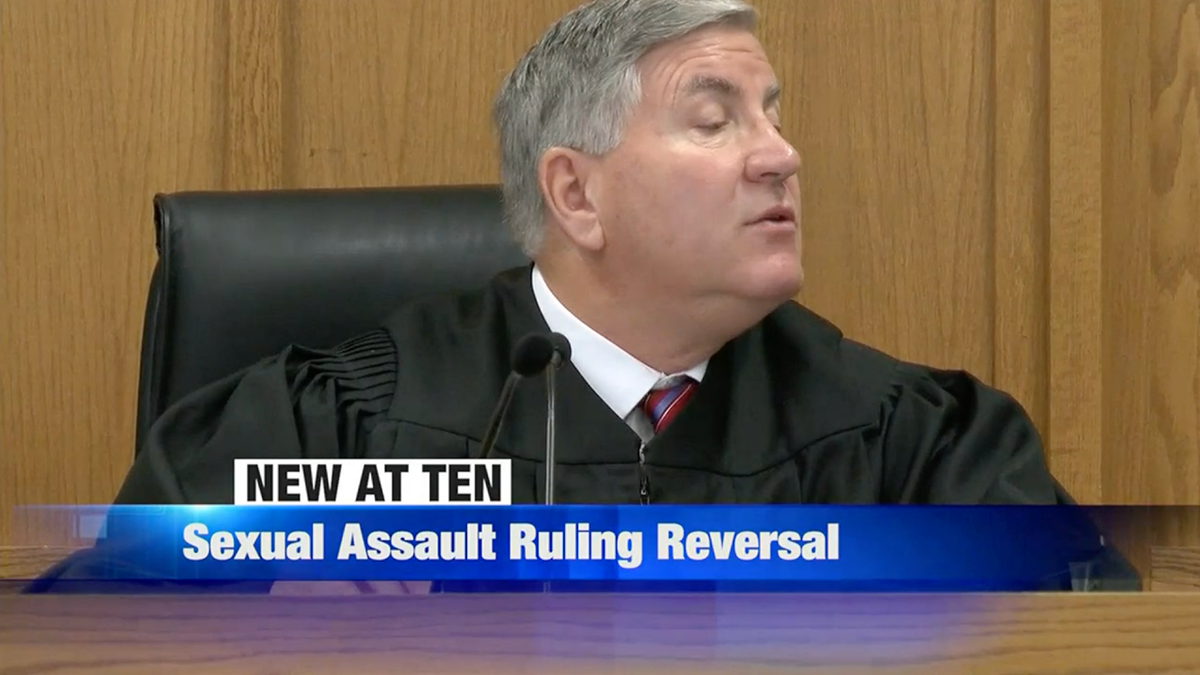 The survivor, 16, reportedly attempted suicide after the sexual assault and now "wishes she wouldn't have even said anything." The survivor, 16, reportedly attempted suicide after the sexual assault and now "wishes she wouldn't have even said anything." | |
Submitted at 01-12-2022, 07:05 PM by Disruptive Emotional-Support Pig | |
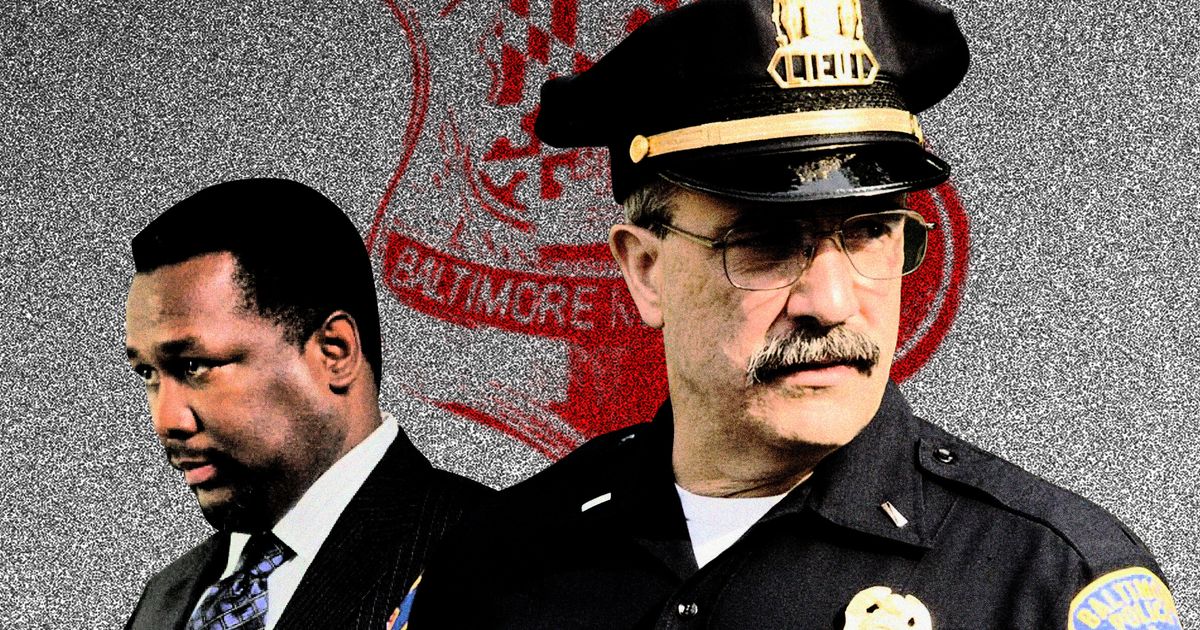 Has reality caught up to the “Murder Police”? Has reality caught up to the “Murder Police”? | |
Submitted at 01-12-2022, 06:36 PM by ron | |